Kisoro Highlands describe the dramatic mountain country around Kisoro in far southwestern Uganda, where terraced hills, volcanic cones, crater lakes, bamboo forest, and gorilla trekking routes gather into one of the country’s most beautiful safari landscapes. This is the Uganda of cool mornings, winding roads, steep farms, mist over ridgelines, and views toward the Virunga Mountains.
For travelers, the Kisoro Highlands are not a single fenced attraction. They are a living highland region that supports some of Uganda’s most important tourism experiences: Mgahinga Gorilla National Park, the southern approaches to Bwindi Impenetrable National Park, Lake Mutanda, Echuya Forest, local markets, Batwa cultural experiences, volcano hikes, and scenic road journeys between Kabale, Kisoro, Rwanda, and the wider southwest.
A well-planned Kisoro Highlands tour brings together adventure and atmosphere. It can include gorilla trekking, golden monkey tracking, canoeing, birding, village walks, photography, volcano viewpoints, and quiet lodge time above the lakes. It also helps travelers understand why this corner of Uganda is often treated as more than a route to the gorillas: the journey itself is part of the destination.
This destination combines naturally with Kisoro, Lake Mutanda, Mgahinga Gorilla National Park, and Bwindi Impenetrable National Park in a well-planned Uganda safari route.
Quick Facts About Kisoro Highlands
| Feature | Details |
|---|---|
| Region | Far southwestern Uganda around Kisoro District |
| Landscape | Terraced hills, volcanic mountains, crater lakes, bamboo forest, farms, valleys |
| Key Gateway | Kisoro town |
| Major Parks | Mgahinga Gorilla National Park and southern Bwindi access areas |
| Scenic Lakes | Lake Mutanda, Lake Mulehe, Lake Chahafi, Lake Kayumbu, and nearby Lake Bunyonyi routes |
| Main Activities | Gorilla trekking, golden monkey tracking, volcano hiking, canoeing, birding, community visits |
| Best For | Adventure travelers, photographers, gorilla safari guests, culture-focused visitors |
| Common Extensions | Lake Bunyonyi, Queen Elizabeth National Park, Kibale National Park, Fort Portal area |
Overview of Kisoro Highlands
The Kisoro Highlands form one of the most compelling landscapes in the Albertine Rift region of Uganda. The terrain is steep, green, and densely settled in places, with farms arranged across hillsides that seem to fold into one another. Above them rise the Virunga volcanoes: Muhabura, Gahinga, and Sabyinyo. Between the slopes are lakes, wetlands, bamboo forest, market roads, and the access routes that lead travelers toward gorilla country.
Unlike a national park, the Kisoro Highlands are best understood as a touring landscape. The value comes from movement through the region: a morning transfer from Lake Mutanda to Mgahinga, a climb toward a volcano viewpoint, a canoe ride with mountain reflections, a roadside market stop in Kisoro, or a slow drive through Echuya Forest on the Kabale-Kisoro road. Each piece adds context to the better-known primate experiences nearby.
The area is also culturally layered. Kisoro District is home to communities including Bafumbira, Bakiga, Banyarwanda, and Batwa. Tourism here should be planned with respect for local people and conservation history, especially when arranging Batwa experiences connected to Mgahinga, Bwindi, or Echuya Forest. Good guiding helps visitors move beyond scenery and understand how land, forest, farming, conservation, and tourism overlap.
For safari design, the Kisoro Highlands are especially useful because they sit at the meeting point of several major routes. Travelers may arrive from Kigali, Entebbe, Kabale, Lake Bunyonyi, Bwindi, or Queen Elizabeth. From Kisoro, they can continue into Mgahinga, Lake Mutanda, southern Bwindi, or back across the highlands toward broader Uganda circuits.

Why Visit Kisoro Highlands?
One of Uganda’s Strongest Scenic Regions
The Kisoro Highlands deliver constant visual interest. Roads climb and dip between cultivated slopes, clouds move across volcanic peaks, and lakes appear suddenly between hills. For many travelers, the drive into Kisoro is one of the most memorable parts of a Uganda safari because it feels cinematic without needing a formal viewpoint.
Gateway to Gorillas and Golden Monkeys
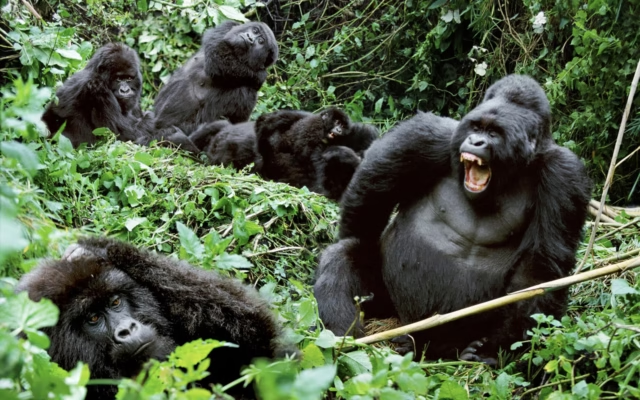
The region is central to Uganda gorilla safari planning. Mgahinga Gorilla National Park lies in Kisoro District, and southern Bwindi sectors are close enough to combine with highland lodges and Lake Mutanda. Golden monkey tracking in Mgahinga adds another primate experience that is particularly well suited to travelers who have already planned time in the area.
Volcano Hiking and Mountain Air
Physically fit travelers can use the region for hikes linked to the Virunga volcanoes and surrounding ridges. These hikes are demanding because of altitude, slopes, and weather, but the reward is a sense of scale: Uganda, Rwanda, and the Democratic Republic of Congo all feel close in this borderland landscape.
Lakes, Forests, and Birding
Lake Mutanda is the best-known scenic lake in the immediate Kisoro area, but the wider highlands also include other water bodies and wetlands. Echuya Forest adds bamboo, montane forest, swamp habitat, birding value, and a strong conservation story between Kisoro and Kabale.
Itinerary Flexibility
The Kisoro Highlands work for short fly-in or Kigali-access gorilla safaris, but they also fit longer Uganda routes. A traveler can move from the highlands to Lake Bunyonyi, Queen Elizabeth National Park, Kibale National Park, and the Fort Portal crater lakes without losing the logic of the journey.
Things to Do in the Kisoro Highlands
Gorilla Trekking
Gorilla trekking is the anchor activity for many visitors. Mgahinga and southern Bwindi can both be planned from the Kisoro side, although the correct base depends on permit sector, lodge location, and road conditions. Travelers should confirm permits before building the rest of the itinerary.
Golden Monkey Tracking
Mgahinga Gorilla National Park is one of the best places in Uganda for golden monkey tracking. This activity is active, photogenic, and often easier to combine with a Kisoro Highlands stay than with destinations farther north.
Lake Mutanda Canoeing
Lake Mutanda adds water-level scenery to the highland experience. Canoeing, island visits, and boat rides balance the physical demands of trekking and hiking. The lake is especially attractive for photography when the Virunga volcanoes are visible behind the water.
Echuya Forest Visits
Echuya Central Forest Reserve lies between Kisoro and Kabale and is known for montane forest, mountain bamboo, Muchuya swamp, birding, and community-based ecotourism opportunities. It is a valuable stop for travelers interested in forest ecology beyond the national parks.
Cultural Encounters and Markets
Guided community experiences can introduce visitors to farming, food, craft, local markets, and cultural history. These should be arranged through responsible partners who keep visits respectful and ensure local hosts benefit directly.
Scenic Drives and Viewpoints
Some of the best Kisoro Highlands experiences happen between named attractions. The Kabale-Kisoro road, lake approaches, volcano viewpoints, and ridge drives can be as rewarding as scheduled activities when the itinerary allows time to stop and look.
Best Time to Visit the Kisoro Highlands
The Kisoro Highlands can be visited throughout the year, but drier periods from June to September and December to February are usually more comfortable for gorilla trekking, volcano hiking, rural road transfers, and photography. Trails tend to be less muddy, views can be clearer, and active days are easier to manage.
Rainier periods from March to May and October to November bring lush slopes, heavy cloud drama, and fewer visitors. They can also bring slower transfers and slippery walking conditions. Because the highlands are cool and elevated, travelers should pack warm layers even when visiting during a dry month.
For birders and photographers, the wet seasons should not be dismissed. Mist, saturated greens, flowering plants, and active birdlife can make the landscape especially rewarding. The key is to build enough flexibility into the plan so weather does not make the itinerary feel rushed.
How to Get to the Kisoro Highlands
{{SEC_GETTING_THERE}}
From Entebbe or Kampala
The classic Uganda route travels southwest through the country toward Kabale and Kisoro. It is a long journey, but it works beautifully when broken with Lake Mburo, Queen Elizabeth, Lake Bunyonyi, or other western Uganda stops.
From Kigali
Kigali access can be efficient for travelers focused on gorilla trekking and the far southwest. Cross-border planning requires attention to visas, border timing, and vehicle arrangements, but the route can make short highland safaris more practical.
From Kabale and Lake Bunyonyi
The Kabale-Kisoro road is one of Uganda’s most scenic drives and passes close to Echuya Forest. This route connects the Kisoro Highlands with Lake Bunyonyi and the wider Kigezi region.
From Queen Elizabeth or Kibale
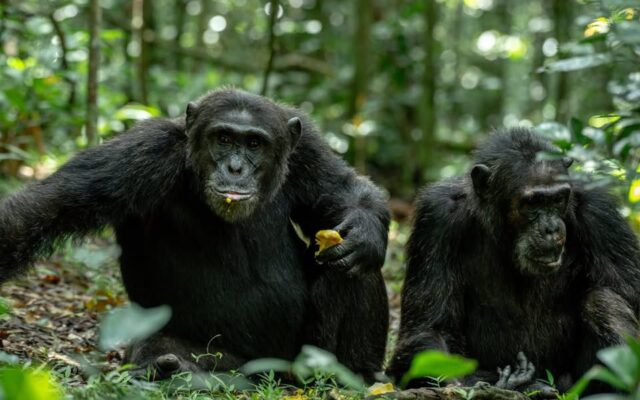
Longer circuits can connect the highlands with Queen Elizabeth National Park and Kibale National Park. These routes turn a gorilla safari into a broader primate, savannah, crater-lake, and highland journey.
How to get to Kisoro Highlands — routes & drive times
Where to Stay in the Kisoro Highlands
{{SEC_ACCOMMODATION}}
Accommodation choices include Kisoro town hotels, lodges near Lake Mutanda, properties close to Mgahinga, and safari lodges positioned for southern Bwindi sectors. The right base depends less on the destination name and more on the exact activity plan.
If gorilla trekking is the priority, match accommodation to the permit sector first. If scenery and relaxation are the priority, Lake Mutanda or ridge-view properties may be ideal. If cross-border access or town services matter, Kisoro town can be practical. For travelers combining multiple activities, two nights in one well-placed lodge often works better than moving every day.
The region is cool at night, and many lodges emphasize fireplaces, views, gardens, and quiet rather than resort-style facilities. Travelers should ask about drive times to park gates, road conditions, meal timing on trek days, and whether packed lunches and early breakfasts are included.
Where to stay in Kisoro Highlands
Kisoro Highlands, Bwindi, and Mgahinga
The Kisoro Highlands are inseparable from the gorilla landscapes around them. Mgahinga protects mountain gorillas and golden monkeys within Uganda’s share of the Virunga volcanoes, while Bwindi protects one of the world’s most important mountain gorilla habitats. The highlands between and around these protected areas provide the scenic and cultural setting that many visitors remember long after the trek ends.
Because both parks are managed protected areas with limited activities and permits, planning should be precise. Gorilla permits, golden monkey tracking, volcano hikes, and accommodation all need to align. The highlands make the logistics worthwhile by giving travelers a strong sense of place between the headline activities.
Lake Mutanda is often the bridge between the two experiences. It offers a calmer base from which travelers can appreciate the region’s beauty without spending every hour in a vehicle or on a trail.
Nearby Destinations
The Kisoro Highlands combine naturally with Kisoro, Lake Mutanda, Mgahinga Gorilla National Park, Bwindi Impenetrable National Park, Lake Bunyonyi, Queen Elizabeth National Park, and Kibale National Park.
Kisoro
Kisoro town is the service hub and gateway for exploring the surrounding highlands, Mgahinga, Lake Mutanda, and southern Bwindi routes.
Lake Mutanda
Lake Mutanda adds canoeing, island scenery, birding, and Virunga volcano views to a Kisoro Highlands safari.
Mgahinga Gorilla National Park
Mgahinga is the key protected area in the Kisoro Highlands, offering gorilla trekking, golden monkey tracking, and volcano hiking.
Bwindi Impenetrable National Park
Southern Bwindi sectors pair naturally with Kisoro Highlands scenery, especially for travelers using Rushaga or Nkuringo gorilla permits.
Lake Bunyonyi
Lake Bunyonyi extends a highland itinerary with relaxed island scenery near Kabale and a gentler post-trek atmosphere.
Queen Elizabeth National Park
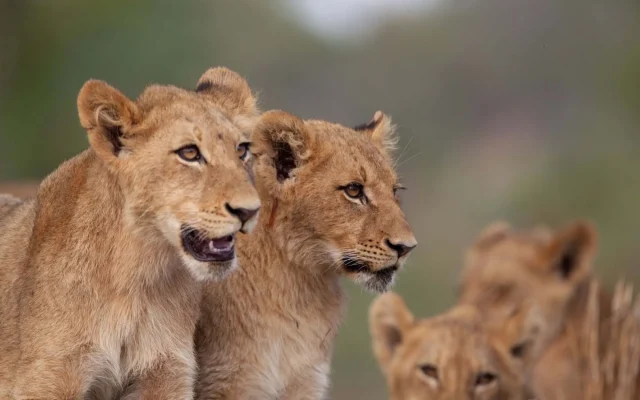
Queen Elizabeth adds savannah wildlife and boat safaris after the mountain, lake, and gorilla landscapes of the Kisoro Highlands.
Suggested Kisoro Highlands Itinerary Ideas
Three-Night Gorilla and Lake Stay
Arrive through Kigali or Kabale, stay near Lake Mutanda or Kisoro, trek gorillas in Mgahinga or southern Bwindi, and use the final day for canoeing, golden monkeys, or a highland walk.
Southwest Highlands Circuit
Combine Kisoro Highlands with Lake Bunyonyi, Kigezi Highlands viewpoints, Echuya Forest, Mgahinga, and Bwindi for a scenic route centered on mountains, lakes, forests, and culture.
Full Western Uganda Safari
Link the highlands with Queen Elizabeth, Kibale, and the Fort Portal crater lakes for a broader journey that includes gorillas, chimpanzees, savannah wildlife, boat safaris, and crater-lake walking.
Planning Tips for Kisoro Highlands Tours
Do not treat the highlands as a simple transfer corridor. The region is at its best when the itinerary includes time for stops, viewpoints, lake activity, and rest after treks. Avoid overloading every day with long drives and demanding hikes. The altitude and slopes make pacing important.
Pack for cool, wet mountain conditions: waterproof jacket, warm layers, broken-in walking shoes, daypack, insect repellent, and camera protection. Travelers arriving from warmer savannah parks are often surprised by how cool Kisoro mornings can feel.
Choose cultural visits with care. Batwa and other community experiences can be meaningful when handled by responsible guides, but they should never feel extractive. Ask how hosts are paid and what local projects benefit.
Kisoro Highlands FAQs
- What are the Kisoro Highlands?
-
The Kisoro Highlands are the mountainous landscapes around Kisoro in southwestern Uganda, including terraced hills, Virunga volcano views, lakes, forests, farms, and access routes to Mgahinga and southern Bwindi.
- Are the Kisoro Highlands good for gorilla trekking?
-
Yes. The region is one of Uganda’s most important gorilla safari areas because it connects naturally with Mgahinga Gorilla National Park and the southern Bwindi sectors of Rushaga and Nkuringo.
- What can I do in the Kisoro Highlands besides gorilla trekking?
-
Travelers can enjoy golden monkey tracking, volcano hiking, canoeing on Lake Mutanda, birding in Echuya Forest, village walks, cultural visits, market stops, and scenic photography.
- When is the best time to visit the Kisoro Highlands?
-
June to September and December to February are usually preferred for drier trekking and hiking conditions, while the wetter months offer greener hills, dramatic mist, fewer visitors, and strong birding potential.
- Can I visit the Kisoro Highlands from Kigali?
-
Yes. Kigali access is common for shorter gorilla and highland itineraries, but travelers should plan visas, border timing, vehicle logistics, and park permit locations carefully.
- How are Kisoro Highlands different from Kigezi Highlands?
-
Kisoro Highlands refers more specifically to the mountain country around Kisoro, Lake Mutanda, Mgahinga, and southern Bwindi access. Kigezi Highlands is a broader regional term covering multiple districts including Kabale, Kisoro, Kanungu, Rubanda, Rukiga, and Rukungiri.
- What should I pack for the Kisoro Highlands?
-
Pack warm layers, a waterproof jacket, sturdy walking shoes, daypack, camera protection, and comfortable clothes for cool highland mornings, rain showers, and uneven walking terrain.