Kisoro Highlands — questions travelers ask before booking
The Kisoro Highlands name describes a scenic mountain touring landscape — terraced volcanoes, crater lakes, forest patches, and cultural communities around Kisoro town — rather than a single ticketed protected area. Wildlife experiences happen inside Mgahinga Gorilla National Park, Bwindi Impenetrable National Park, and Echuya Central Forest Reserve, while Lake Mutanda supplies the most popular lakeside base. Treating highlands as a formal park leads to confusion; treating them as a multi-day scenic and primate region leads to strong itineraries.
Highlands vs Kisoro town page
Kisoro town is the service hub — markets, fuel, modest hotels, transfer coordination. The highlands page emphasises landscape touring, volcano views, lake stays, and the Kabale–Kisoro corridor. Both pages link to the same parks but serve different planning questions.
Permits, lodges, and timing
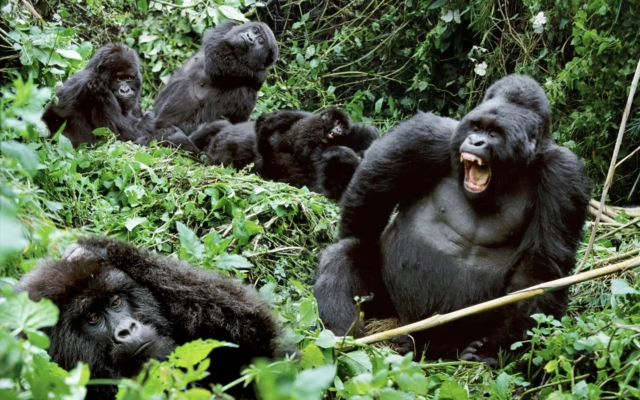
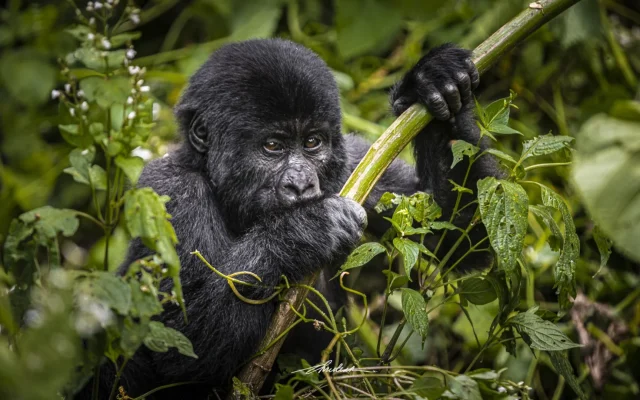
Gorilla and golden monkey permits govern Mgahinga mornings. Book permits before non-refundable lakeside lodges. Match lodging to briefing sector — southern Bwindi and Mgahinga favour highland bases; distant sectors do not. Allow two to four highland nights when combining treks, Mutanda recovery, and scenic drives.
Activities beyond gorillas
Highland itineraries commonly include Mutanda canoeing, Echuya forest walks or transfer stops, Batwa cultural experiences, volcano day hikes, and market visits in Kisoro. None replace gorilla hours but deepen understanding of how communities live beside globally important forest.
Access and routes
Road approach is standard via Kabale; Kigali access suits southwest-focused trips when borders cooperate. See getting there for drive planning and best time to visit for seasonal notes.
Packing, health, and highland realism
Pack trekking boots, gaiters, rain shell, warm layer for cool evenings, and daypack for gorilla hours. Elevation cools mornings even near the equator. Malaria precautions apply — consult your clinician before travel. Porter hire on steep Mgahinga or Bwindi exits supports local income; arrange at briefing rather than negotiating on the trail.
ATMs and fuel exist in Kisoro town, but remote lakeside lodges may prefer cash for tips and community fees. Card acceptance varies outside town — carry backup shillings for porters and market purchases.
Costs, permits, and booking order
Gorilla permits are the largest single cost in most highland itineraries — secure UWA allocation or verified agent booking before non-refundable lodge deposits. Golden monkey permits add a worthwhile second morning when dates allow. Volcano hikes, Mutanda canoe outings, and Batwa cultural experiences carry separate fees; ask operators for itemised quotes rather than assuming one package covers every activity.
Kigali access and cross-border timing
Many southwest itineraries enter through Kigali — verify East Africa visa rules, border hours, and operator experience with cross-border gorilla routing before booking flights. Same-day Kigali-to-lodge transfers are possible but fragile when flights delay or queues lengthen; an overnight near the border often saves permit mornings.
Is Kisoro Highlands the same as Kigezi Highlands?
Related but distinct pages. Kigezi Highlands describe the wider regional touring canvas including Kabale and Lake Bunyonyi; Kisoro Highlands focus on the far southwest near Mgahinga and Lake Mutanda. Use both when building a full southwest loop rather than treating them as duplicate content.
Where to read next
Wildlife ecology: Kisoro Highlands wildlife.
Birding: Kisoro Highlands bird watching.
Seasons: best time to visit the highlands.
Routes: how to get to the Kisoro Highlands.
The main Kisoro Highlands destination guide and Kisoro town guide provide hub context and nearby combinations.