Best time to visit the Kisoro Highlands
The Kisoro Highlands reward travelers who align weather realism with permit calendars. This is not a single-site morning like Mabamba Swamp — it is a multi-day mountain landscape where Mgahinga Gorilla National Park treks, Lake Mutanda canoe afternoons, Echuya Forest stops, and scenic drives between Kisoro and Kabale all respond to rainfall, cloud base, and road mud. Choose months with your gorilla permit date, fitness plan, and photography goals in mind — not brochure sunshine alone.
Permits anchor the calendar
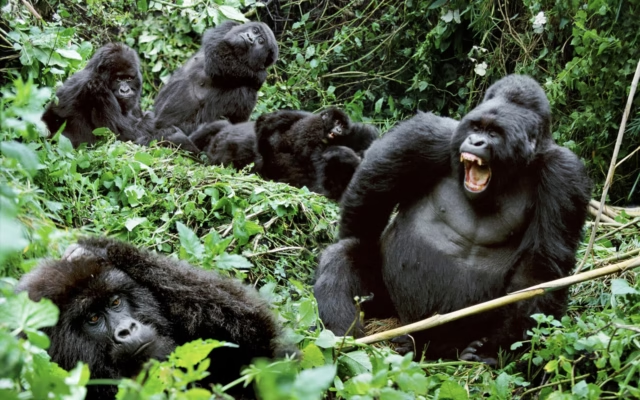
Mountain gorilla permits for Mgahinga and southern Bwindi Impenetrable National Park sell out ahead in peak travel. Secure your date and sector first; then optimize lodge nights for drier windows if flexibility exists. Golden monkey permits and volcano hike days need spare mornings — stacking everything into a two-night rush ignores highland recovery time.
Dry season advantages
Broadly drier periods — roughly June to September and December to February — often bring easier Kabale–Kisoro road conditions, firmer bamboo footing on Mgahinga slopes, and clearer volcano reflections on Mutanda at dawn and dusk. Terraced viewpoints photograph better when cloud lifts, and secondary lake tracks stay passable for saloon cars and 4×4 alike.
These months also coincide with peak international demand. Book lodges, guides, and transport early when your permit falls inside European summer or northern winter escape weeks.
Rainy season character
Rainier clusters around March to May and parts of October to November paint the highlands emerald — waterfalls swell, forest mood intensifies, and crowds sometimes thin. Treks continue; waterproof shells, gaiters, and dry bags become non-negotiable. Volcano panoramas may disappear into mist for days, yet forest bird activity and gorilla encounters still reward prepared groups.
Muddy farm tracks to remote viewpoints slow scenic touring. Build flexible afternoons rather than fixed long-distance transfers on the wettest days.
Time of day in mountain habitat
Gorilla and golden monkey briefings start early year-round. Lakeside photography favours first and last light when skies clear. Midday cloud is common at elevation even in dry months — plan Mutanda canoe sessions for mornings after trek recovery breakfasts, not for harsh overhead sun only.
Market visits and Batwa cultural experiences suit stable-weather afternoons when outdoor interpretation is comfortable for mixed-age travelers.
Photography, volcano views, and shoulder seasons
Landscape photographers should treat volcano visibility as a bonus, not a contract. Muhabura, Gahinga, and Sabinyo peaks may hide for days behind cloud even in dry months — build two or three Mutanda dawn sessions into longer stays rather than one decisive morning. Shoulder months such as late May, September, and early November sometimes trade peak crowds for acceptable trekking conditions and dramatic storm-light over terraced hills.
Golden monkey and gorilla photography follows UWA distance rules regardless of season. Wet months soften forest greens for atmospheric images but demand lens rain covers and patience on slick bamboo slopes.
Shoulder-season travellers who accept occasional rain often find lodge availability easier and terraced viewpoints less crowded — a worthwhile trade when permit dates are fixed outside peak summer windows.
Lodge booking and permit alignment
Peak dry-season weeks fill lakeside lodges and town hotels quickly — especially when European holidays overlap with Uganda school breaks. If your permit date is fixed, book accommodation before debating whether August skies beat June roads. Kigali-access travelers should confirm border hours on weekends and public holidays; queue delays can erase the time saved on map distance from Rwanda.
Cross-border and long-loop timing
Kigali-access highland itineraries depend on border queues as much as rainfall — holiday weekends can erode time saved on map distance. Entebbe- or Kampala-based loops crossing Queen Elizabeth National Park or Lake Bunyonyi should align whole-route seasons, not Kisoro alone.
Month-by-month snapshot
January–February: Often drier; excellent trekking and Mutanda views; high lodge demand.
March–May: Rainier; lush forests; muddy secondary roads; flexible scheduling.
June–August: Peak dry-season travel; strong conditions when trails cooperate.
September: Transition — workable; watch local early rains.
October–November: Second rainy peak possible; dramatic clouds; migrant bird interest rising.
December: Holiday crowds; book early; morning starts essential.
Pair this page with Kisoro Highlands wildlife, bird watching, and getting there for habitat detail and route planning.