Nature, culture and regional ecology around Kabale
Search results for Kabale wildlife can mislead travelers expecting savannah game drives in town. Kabale is a Kigezi highland hub — cool climate, terraced hills, busy markets, and logistics for Lake Bunyonyi, Bwindi Impenetrable, and Mgahinga Gorilla National Park. Wildlife experiences begin when you leave tarmac for lakes, forests, and park gates — not on Kabale's main street.
Lake Bunyonyi: the primary nature neighbour
Lake Bunyonyi — often reached in under an hour from Kabale depending on lodge location — is Uganda's deepest lake system, dotted with islands, terraced shores, and community canoe culture. Otters occur (shy), kingfishers and waterbirds line margins, and island walks reveal farm–forest edges. Canoe trips interpret community history alongside nature — stronger on scenery and freshwater ecology than big-game drama.
Many travelers overnight on Bunyonyi islands or lakeshore lodges while using Kabale for banking, markets, and gorilla transfer coordination. The lake is bilharzia-free for swimming by conventional tourism guidance — still confirm current local health advice.
Kigezi highlands and farm-forest mosaic
The Kigezi Highlands around Kabale show intense terraced agriculture — potatoes, sorghum, vegetables — interleaved with remnant woodland patches and eucalyptus plantings. Grey crowned cranes, raptors over valleys, and garden birds reward roadside scanning at dawn. The landscape explains why Kabale feels cooler than Jinja or Mbarara — altitude shapes both climate and ecology.
Gorilla parks and Albertine Rift forests
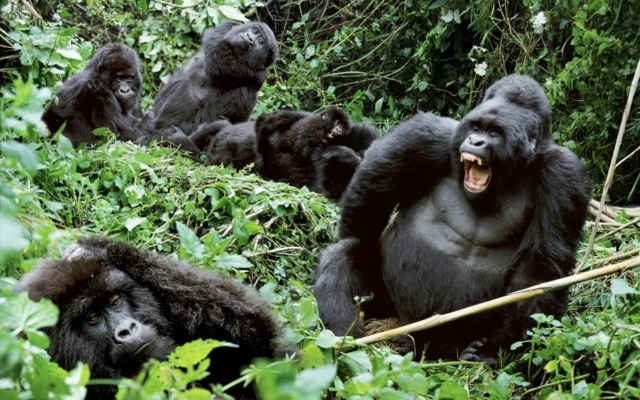
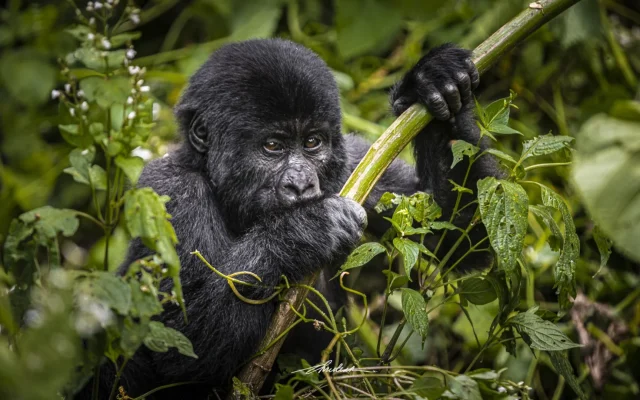
Kabale's strategic value is proximity to mountain gorilla habitat. Bwindi sectors such as Rushaga and Nkuringo lie within driving distance; Mgahinga and golden monkey trekking sit toward Kisoro. Kabale supplies fuel, food, ATMs, and guide rendezvous points gorilla lodges cannot always match. Expect gorilla and forest elephant ecology in parks — not in Kabale town.
Culture and Bakiga heritage
Kabale markets, churches, and hillside homesteads reflect Bakiga and broader Kigezi culture — farming identity, trade with Kisoro and Rwanda border zones, and crafts sold in town. Cultural depth complements forest trekking: understanding Kigezi land pressure clarifies why terraced hills press against protected forests. Photograph people with permission; markets are working spaces, not staged villages.
Wildlife expectations vs savannah parks
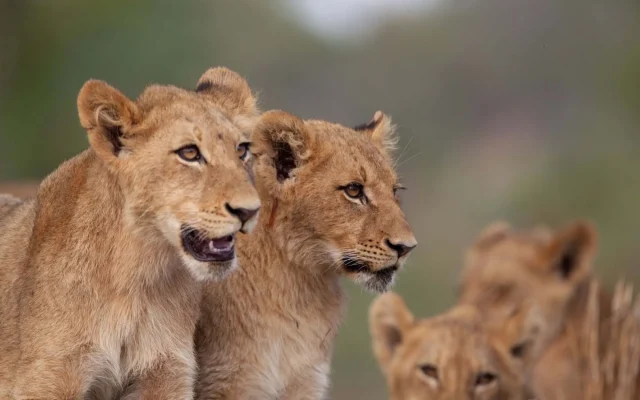
For lion, leopard, and large savannah herds, prioritize Queen Elizabeth or Murchison Falls. Kabale adds highland lake ecology, gorilla gateway logistics, and Albertine Rift forest access — a different safari chapter. Intelligent routing places Kabale or Bunyonyi between Queen Elizabeth Ishasha and Bwindi legs, or as recovery nights after gorilla trekking.
Echuya Forest and remnant woodland patches
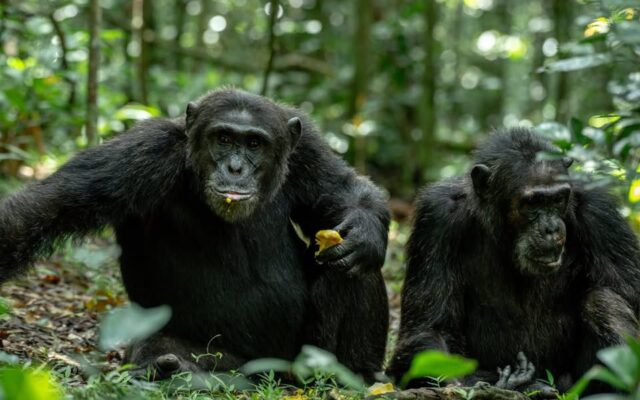
Echuya Forest Reserve — reachable from the broader Kabale–Kisoro orbit — holds bamboo zones, swamp-fringed forest, and Albertine-influenced bird and mammal communities on guided walks. It is not gorilla trekking, but it adds forest depth for travelers with extra Kigezi days beyond Lake Bunyonyi canoeing. Small mammals, duikers, and primates occur; expect muddy trails and cool mist typical of southwestern highland forest.
Planning nature time from Kabale
Allow one to three nights in the greater Kabale–Bunyonyi area for lake canoeing, community walks, and gorilla transfer buffers. Single-night whistle-stops work for logistics but miss Kigezi atmosphere. See Kabale bird watching, best time to visit, and getting there for complementary detail.
Community tourism and island visits
Lake Bunyonyi island communities host canoe tourism, craft sales, and school visits when arranged respectfully through lodge or community guides. Income from tourism supports island livelihoods — choose operators who pay fair boat fees and explain cultural protocols before landings. Overnight island stays differ from day canoe loops; confirm meal and cold-night packing when lodges sit at altitude.
Highland climate and packing for Kigezi
Kabale evenings cool sharply compared with Queen Elizabeth lowlands — fleece layers and rain shells belong in daypacks even when morning treks start under sun. Hydrate on terrace walks when arriving from hot savannah sectors the same day.