Best time to visit Kabale
Kabale travel is often driven by Bwindi Impenetrable gorilla permit dates more than town-specific seasons — yet Kigezi weather still shapes road comfort, Lake Bunyonyi activities, and how pleasant market walks feel after forest treks.
Dry season vs rainy season
Broadly drier windows — June to September and December to February — firm up murram side roads to lakeshore lodges, improve viewpoints over terraced hills, and align with peak international gorilla demand. Book Bunyonyi and Kabale-area accommodation early for Christmas and European summer.
Rainy peaks March to May and October to November bring lush green terraces, atmospheric mist, and fewer tourists at times — but slick forest trails for gorilla trekking, clouded views, and slower driving on winding roads. Pack rain layers; allow flexible Lake Bunyonyi canoe timing.
Gorilla trekking and Kabale logistics
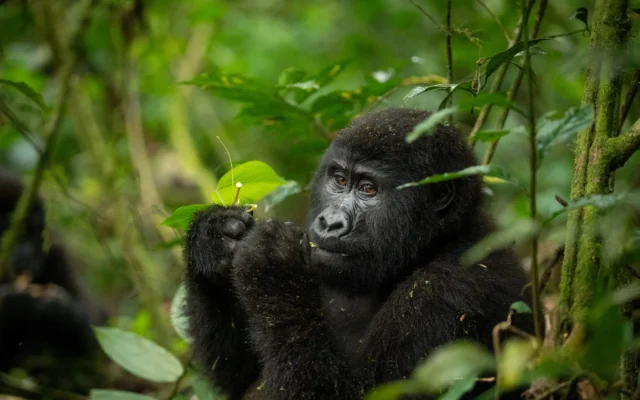
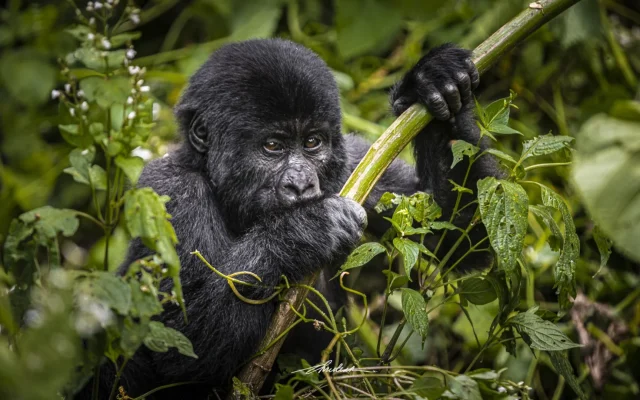
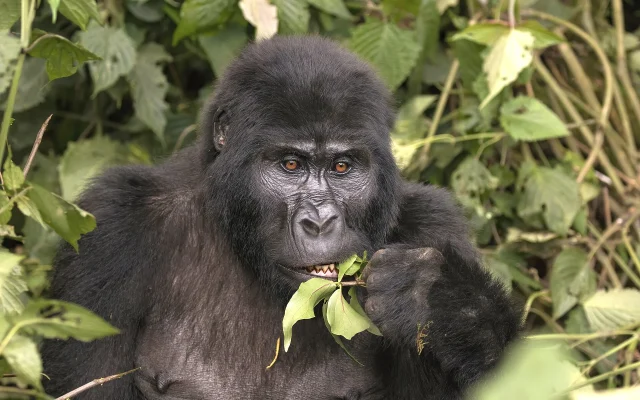
Permits are the calendar anchor — dry months fill first. Kabale helps when your sector is Rushaga, Nkuringo, or southern Bwindi approach routes; Kisoro may suit northern Mgahinga legs better. Weather affects trek difficulty more than town choice — muddy Bwindi slopes challenge fitness in wet months regardless of Kabale sunshine.
Lake Bunyonyi seasons
Bunyonyi is visitable year-round. Dry months favor swimming, island picnics, and photography. Rainy months offer moody lake scenes and quieter lodges — afternoon showers may pause canoe plans. Cool temperatures year-round — unlike lowland Jinja heat.
Time of day and photography
Morning light on terraces and lake mist is prized — schedule viewpoints before clouds build. Market activity peaks daytime; gorilla transfers often pre-dawn. Avoid rushing Kabale market photography without asking vendors.
Regional route timing
Inbound from Queen Elizabeth Ishasha or Lake Mburo, dry months simplify full-day transfers. Outbound toward Kampala or Rwanda border crossings — confirm border hours separately from weather. Igongo lunch stops fit inbound western highway legs.
Rwanda border and dual-country routing
Some travelers approach Kabale from Rwanda via Kisoro or Gatuna/Kyanika corridors — visa, permit, and vehicle rules are separate from Kigezi weather. Dry months simplify cross-border driving and terrace photography; rainy months demand flexible gorilla transfer buffers regardless of which country you entered from.
Month-by-month snapshot
January–February: Drier, popular gorilla season; cool mornings; book lodges early.
March–May: Rainier treks; spectacular green terraces; flexible lake plans.
June–August: Peak dry travel; busiest permits; excellent road access.
September: Transition; still viable; occasional rain.
October–November: Second rainy peak; misty Kigezi ambience.
December: Holiday demand; reserve gorilla permits months ahead.
See Kabale wildlife, bird watching, and getting there.
Festival and market calendar impacts
Kabale market days and regional church events draw crowds from surrounding hills — lively for culture, slower for ATM queues and restaurant service. Christmas and gorilla peak overlap raises lodge prices on Lake Bunyonyi; book lakeshore properties when permits fall in December or July–August windows. Misty mornings in rainy months suit terrace photography when viewpoints above town clear briefly before cloud returns.
Permit-first planning regardless of season
Gorilla permit confirmation should precede lodge booking in peak months — weather is secondary when only one trekking slot exists. Shoulder rainy seasons sometimes offer permit availability with greener landscapes; pack gaiters for Bwindi slopes even when Kabale town looks dry.
Lake swimming and canoe seasonality
Lake Bunyonyi swimming is popular in dry months when afternoon showers interrupt less often — water remains cool year-round. Canoe operators may pause trips during storms; build flexible lake days between fixed gorilla permit dates rather than assuming hourly schedules.
Terrace farming calendar
Planting and harvest rhythms change terrace colours through the year — deep greens after rains, golden stubble in dry harvest windows. Photographers chasing Kigezi Highlands panoramas should ask local guides which hillsides are accessible without trespassing on active farm plots.
Cool evenings year-round favour hot lodge meals and early bedtimes before pre-dawn gorilla transfers — plan accordingly.