Kabale — questions travelers ask before visiting
Kabale is a cool Kigezi highland town — markets, banking, fuel, and gorilla-route logistics — with Lake Bunyonyi and Bwindi Impenetrable within reach. It is not a wildlife park; expecting game drives in town leads to disappointment. Understanding Kabale as a service and scenery hub unlocks smarter southwest itineraries.
Lake Bunyonyi and overnight strategy
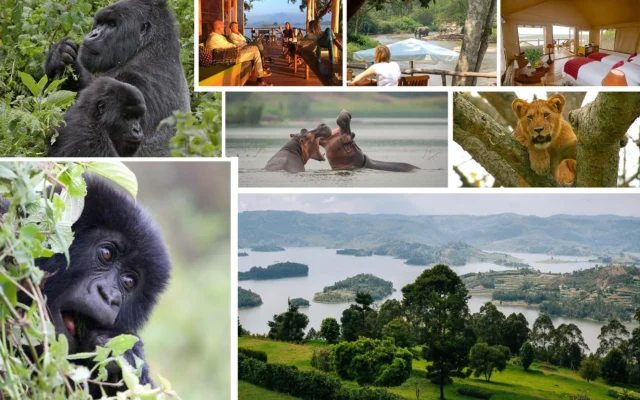
Travelers debate Kabale town versus Bunyonyi lakeshore or island lodges. Town suits short logistical stops, ATM runs, and market visits. Bunyonyi suits relaxation, canoeing, swimming, and post-trek recovery. Many itineraries use both — town services by day, lake nights for atmosphere.
Gorilla permits and sector distances
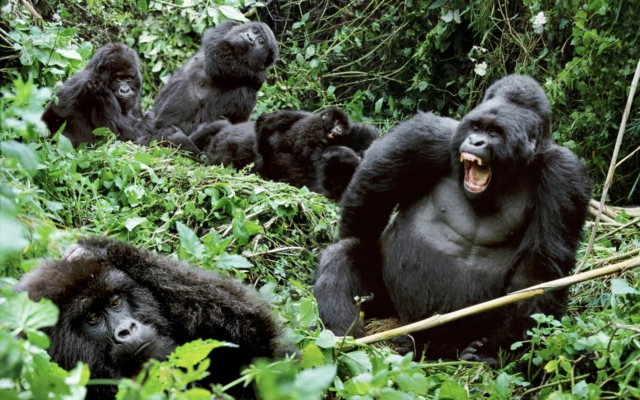
Permit sector determines drive time more than Kabale label — Rushaga and Nkuringo relate closely; Buhoma may favor different bases. Confirm gate distances when booking permits and lodges simultaneously. Mgahinga treks often route through Kisoro.
Weather, packing, and health
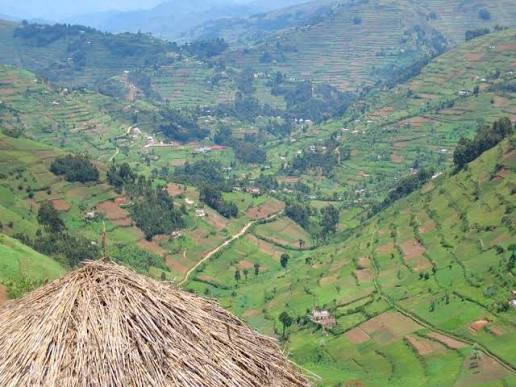
Kigezi is cool and rainy-capable year-round — layers, rain jacket, and sturdy shoes for terraces and trek transfers. Altitude is moderate but noticeable after lowland legs from Queen Elizabeth. Malaria precautions remain relevant — consult travel health advice.
Time and itinerary fit
Allow at least one Kigezi night beyond gorilla trekking if you want Bunyonyi — two or three nights for lake-focused holidays. Whistle-stop Kabale lunch only works for tight transfers, not meaningful highland experience. See best time to visit and getting there.
Markets, ATMs, and gorilla-day logistics
Kabale town supplies last-minute snacks, rain gear, and cash before remote lodge legs — useful when Bwindi sector reporting times are pre-dawn. ATMs exist but can run dry on peak gorilla weekends; carry backup cash for tips and island canoe payments at Lake Bunyonyi. Market photography requires vendor permission; bags should be secured in crowded streets.
Where to read next
Ecology: Kabale wildlife and Kigezi nature.
Birding: bird watching near Kabale.
Seasons: best time for Kabale.
Access: how to get to Kabale.
Main Kabale destination guide — hub overview and nearby combinations.
Mobile coverage and remote lodge transfers
Signal is generally reliable in Kabale town and main Bunyonyi lodge areas but weakens on murram Bwindi approach roads — download offline maps and share gorilla reporting times with drivers the night before treks. Satellite phones are rare for mainstream tourists; build buffer time rather than assuming last-minute coordination from forested valleys.
Dual-trek and multi-sector gorilla itineraries
Travelers booking two Bwindi sectors or Mgahinga plus Bwindi combinations use Kabale for reprovisioning between treks — laundry, cash, and SIM top-ups in town save time versus remote lodge-only stays. Confirm drive times between sectors before assuming one Kabale base serves all permit gates efficiently.
Health clinics and altitude notes
Kabale town has clinics for minor trek ailments — blisters, mild altitude headache, stomach upset — but serious cases route to larger hospitals. Kigezi altitude is moderate; hydrate on terrace walks and avoid overexertion the day before long Bwindi climbs.
Rwanda day-trip misconceptions
Kabale is near Rwanda border corridors but crossing requires valid visas and time — do not assume casual lake-day trips enter Rwanda without formalities. Plan border days separately from Bunyonyi canoe or market mornings in town.
English and Rukiga mix in markets — polite greetings open friendly vendor conversations when shopping for trek snacks.