Arua — questions travelers ask before booking
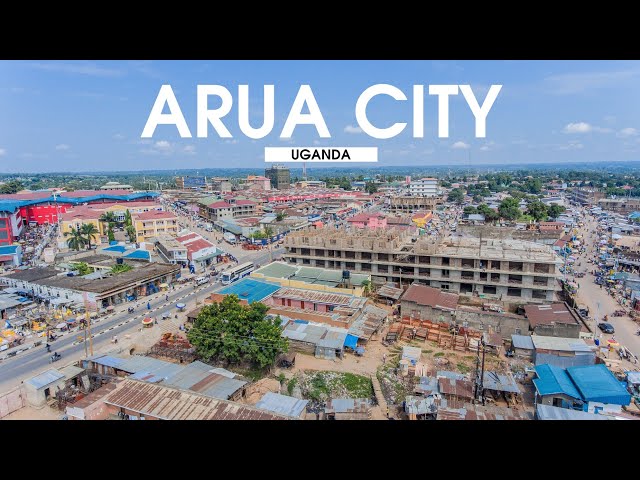
Arua is Uganda's main West Nile gateway — a regional city of markets, cross-border trade, Lugbara cultural strength, hotels, and transport connections toward Ajai Wildlife Reserve, Nebbi, Pakwach, and the Lake Albert Region. It is not a national park. Expect urban energy, not curated lodge wilderness.
That distinction matters. Travelers who want guaranteed elephant and lion density should prioritize Murchison Falls National Park first, then use Arua for culture, logistics, and Ajai conservation depth — not the reverse.
Worth visiting, and for whom
Arua rewards itineraries that include West Nile Uganda, rhino history at Ajai, Albert Nile routing, or northern Uganda overland arcs via Gulu. It is weak as a standalone wildlife destination but strong as a two-night base for market walks, crafts, local food, Mount Wati community trips, and dawn departures toward Ajai.
First-time safari travelers should combine Arua with Murchison unless they specifically want regional borderland culture beyond classic park highlights.
Markets, culture, and etiquette
Arua Main Market is among the best things to do in Arua when accompanied by a guide who explains produce, cross-border goods, and etiquette. West Nile crafts — pottery, basketry, textiles, woodcarving — support local makers when purchased respectfully.
Ask before photographing people, stalls, workshops, or ceremonies. Dress modestly for religious or cultural visits. Arua is a living city, not a performance venue.
Ajai Wildlife Reserve from Arua
Arua is the strongest urban base for Ajai Wildlife Reserve — hotels, fuel, guides, and banking before rural Madi-Okollo access. Confirm reserve security, UWA procedures, and road condition before each visit. Rhino restoration reporting is sensitive; verify current rules rather than assuming Ziwa-style tracking.
Logistics, nights, and routing
Reach Arua by long overland drive from Kampala (often via Murchison and Pakwach) or occasional regional air with verified schedules. One night suits pure logistics; two nights suit Ajai plus market time; three or more suit deeper West Nile loops.
Season and drive detail: best time to visit Arua and getting to Arua. Nature context: nature around Arua. Birding: bird watching around Arua.
Responsible travel in a borderland city
Support guides and craft makers fairly, carry cash for small purchases, plan fuel and time buffers on rural legs, and confirm onward transport before leaving town. Tourism that employs West Nile interpreters and respects community boundaries helps the same region hosting Ajai recovery efforts.
Accommodation and city services
Arua offers the broadest West Nile hotel range — from simple guesthouses to more comfortable city hotels. Choose properties with secure parking if you arrive with a safari vehicle, early breakfast for Ajai departures, and reliable phone signal for operator coordination. Unlike park lodges, city hotels do not sell wildlife packages; your guide or Kampala operator links Arua nights to Ajai field time.
Money, connectivity, and practical city tips
ATMs and mobile money agents operate in central Arua, but rural legs toward Ajai or Mount Wati may have patchy coverage — download offline maps and confirm pickup times while you still have signal. Carry enough Ugandan shillings in cash for market purchases, craft workshops, and fuel stops where card payment is uncommon. English is widely used in hotels and with guides; learning a few Lugbara greetings often opens warmer market conversations when your guide introduces you.
Where to read next
Main overview: Arua destination guide.
Ajai extension: Ajai Wildlife Reserve.
Wildlife park anchor: Murchison Falls National Park.
Nile gateway town: Pakwach.
Albert Rift scenery: Lake Albert Region.