Which parks are best for elephant viewing?
Elephants appear across Africa, but certain parks deliver predictable, photographable, behaviour-rich encounters — herds swimming, bulls sparring, calves learning trunks. Enthusiasts plan itineraries around these names first, mammals second.
Chobe National Park (Botswana)
Elephant capital — tens of thousands along Chobe and Zambezi rivers. Afternoon boat cruises rank among Africa’s densest elephant viewing. Dry season (May–October) concentrates herds at water. Combine with Victoria Falls short stays.
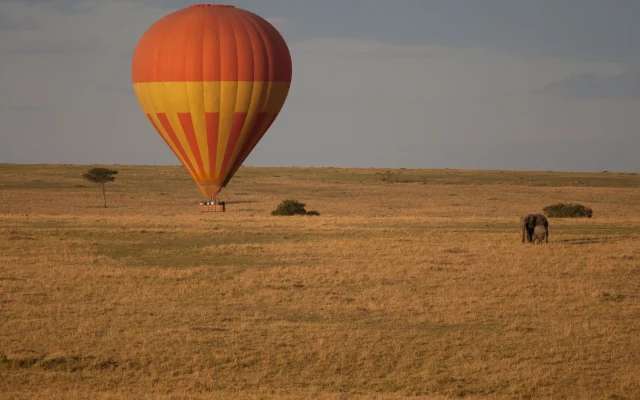
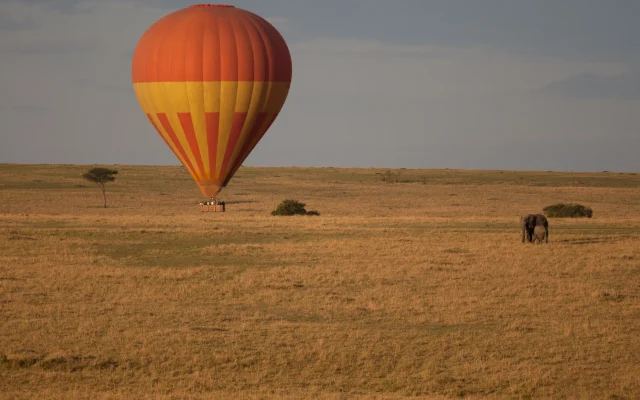
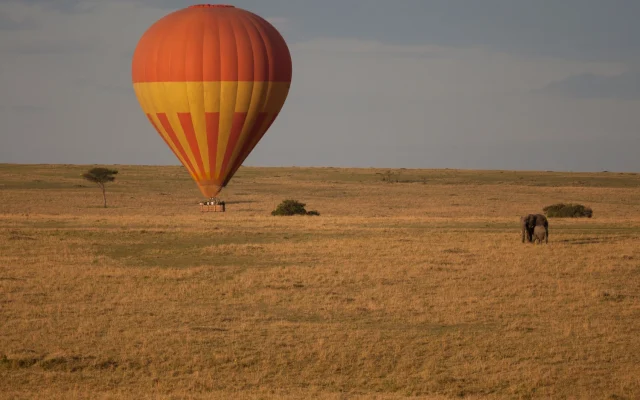
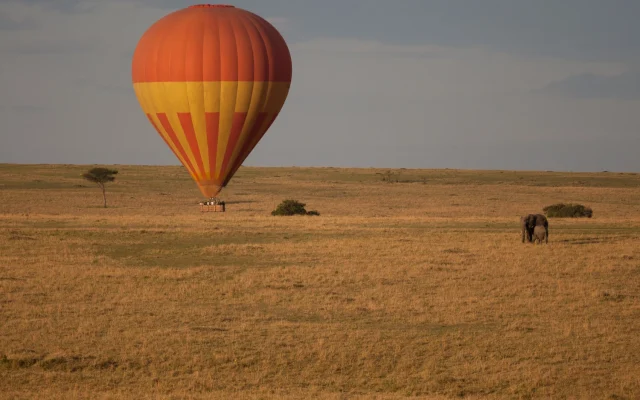
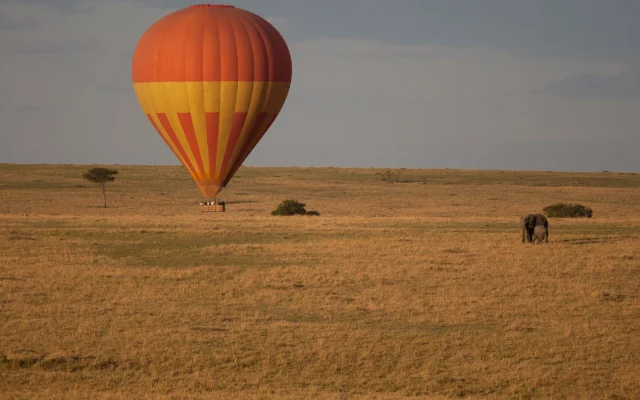
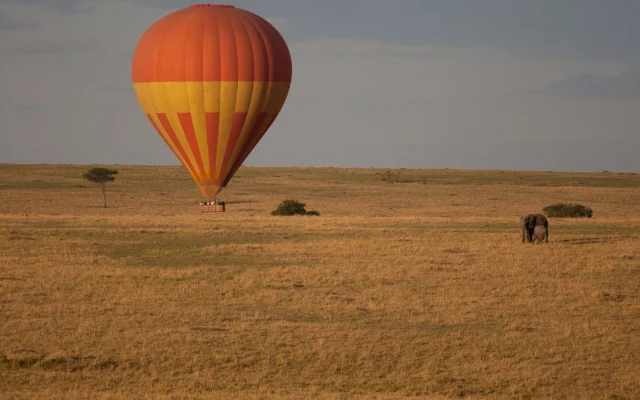
Flat plains, close approaches, Kilimanjaro backdrop on clear mornings. Family herds crossing dust — iconic postcard frames. Short drives from Nairobi via flight or road. See Samburu elephant photography for northern contrast.
Dry-season elephant magnet (July–October) when herds migrate to Tarangire River. Baobab silhouettes frame giants. Less crowded than Serengeti shoulder seasons. Pairs with Tanzania family loops.
Kazinga Channel boats approach swimming elephants trunk-deep — eye-level viewing. Ishasha and Kasenyi plains add savannah herds. Read Kazinga photography and elephant conservation threats.
Nile Delta boat cruises and northern bank drives — large bulls and breeding herds. Falls backdrop unique among elephant venues.
Specialist northern elephants alongside reticulated giraffe — dramatic arid scenery. Fewer elephants than Amboseli but striking composition — photographers’ favourite.
Addo Elephant National Park (South Africa)
Malaria-free, self-drive friendly, hundreds of elephants in compact area. Excellent for families and first safaris — less “wild” than East Africa but reliable.
Kidepo Valley (Uganda)
Remote, vast herds in wilderness setting — for repeat visitors accepting long drives. Low tourism pressure, high reward.
Choosing by priority
- Density: Chobe, Tarangire dry season
- Photography backdrop: Amboseli, Samburu
- Boat viewing: Chobe, Queen Elizabeth
- Family ease: Addo, Amboseli
- Wilderness feel: Kidepo, Ruaha (Tanzania)
Ethical viewing
Maintain distance when bulls display musth. Never crowd calves — mothers charge. Boat captains cut engines near swimmers — tip crews respecting behaviour. Tourism funds anti-poaching — choose parks with active ranger programmes.
Seasonal elephant movements
Tarangire and Chobe peak dry season when water draws hundreds daily. Amboseli elephants roam year-round but clear Kilimanjaro views favour June–October. Queen Elizabeth herds shift between Ishasha and Kazinga — ask lodges which sector currently holds breeding groups. Samburu elephants follow dry riverbed psychology — guides read sand for fresh tracks.
Photography settings by venue
Chobe boat: 70–200mm at f/4 for pod interactions, polarizer essential. Amboseli: 100–400mm for dust-backlit silhouettes at dawn. Kazinga: expose for highlights on wet skin — recover shadows in RAW. Kidepo: telephoto compression across vast plains — heat shimmer midday challenges AF.
Combining parks on one itinerary
Classic elephant odyssey: Nairobi → Amboseli → fly Wilson → Samburu → optional Uganda QENP Kazinga extension via Entebbe. Southern Africa loop: Chobe day trip from Victoria Falls plus Addo malaria-free finale for families. Budget two full days per park minimum — elephants reward patience over drive-by checklist culture.
Conservation context
Elephant corridors between parks require tourism revenue keeping land undeveloped — threats facing elephants include habitat fragmentation. Choosing parks with active monitoring (collar data, ranger patrol stats) aligns viewing with protection. Avoid operators chasing stressed herds at reckless speed for “action” clips.
The best elephant parks are where water, habitat, and protection intersect — Chobe and Amboseli headline lists, but Uganda’s Kazinga quietly rivals either for intimate frames.
Elephant behaviour worth waiting for
Mud bathing, dusting, mock charges aborted, calves learning trunk control — patience beats driving herd to herd. Midday heat pushes elephants to shade — river venues stay active when plains empty. Ask guides about musth bulls and maintain extra distance; tourism pressure must not habituate dangerous approach.
Ruaha and southern Tanzania depth
Ruaha National Park holds Tanzania's largest elephant concentrations in dry season — remote, expensive, rewarding repeat visitors avoiding northern circuit crowds. Combine Tarangire elephant density with Ruaha wilderness on extended Tanzania elephant odyssey fourteen days plus.
Musth and safety awareness
Independent bulls in musth display unpredictable aggression — guides maintain extra distance. Families educate children on quiet observation — shouting excites nervous herds near boats. Respect ranger instructions when elephants display ear-flapping stress signals.
Forest elephant versus savannah elephant
Aberdare and Nyungwe forest elephants behave differently from QENP savannah herds — enthusiasts track subspecies behavioural variation across habitats within single Kenya–Uganda multi-country itinerary.
Waterhole wait discipline
Elephants arrive on their schedule not yours — families learn patience at Addo and Amboseli hides rewarding quiet observation over checklist rushing.