Home FAQ Planning & logistics

Can I Photograph Wildlife From The Kazinga Boat

Direct answer

Yes — the Kazinga Channel boat cruise is one of Uganda’s best wildlife photography platforms, bringing you within metres of hippos, elephants, buffalo, waterbirds, and sometimes shoebills at eye level from a stable boat deck. Morning and late-afternoon launches from Mweya offer soft light, slow drift speeds, and 360° angles impossible from a land vehicle — ideal for telephoto and environmental portraits.

Photographing wildlife from the Kazinga boat

Queen Elizabeth National Park’s Kazinga Channel links Lake George and Lake Edward — a 32-kilometre natural corridor where animals congregate at the water’s edge. Land cruisers watch from bluffs; boat cruises float through the middle. For photographers, that difference is everything: eye-level hippos, elephants drinking trunk-deep, and kingfishers on posts at boat height.

Why boats beat vehicles here

  • Lower angle — waterline perspectives feel intimate
  • Slower pace — time to compose, wait for action
  • 360° positioning — guide rotates boat for light
  • Species concentration — herds visit daily

Wake restrictions and ranger presence reduce harassment compared to crowded road junctions.

Signature subjects

Hippos: Yawns, pod interactions, pink ears above surface — 70–200mm often sufficient at close range.

Elephants: Family groups crossing shallows — watch for backlight splashes at sunset launches.

Buffalo and antelope: Drinking lines along banks; oxpeckers on shoulders add interest.

Birds: African Fish Eagle strikes, Pink-backed Pelicans, African Skimmers (seasonal), herons, storks, kingfishers. Bird photographers sometimes rate Kazinga above dedicated birding sites for action at close range.

Shoebill (occasional): Ishasha sector wetlands and channel edges — not guaranteed but possible; dedicated shoebill missions use smaller canoes elsewhere.

Best timing and light

Two daily cruises — typically morning (~9–11 AM) and afternoon (~3–5 PM). Afternoon light warms elephant skin tones; morning calms water for reflections. Midday launches exist but harsh contrast — raise ISO or embrace silhouettes.

Gear recommendations

  • 70–200mm or 100–500mm for mammals and birds
  • 24–70mm for channel panoramas and elephant-wide scenes
  • Polarizer to cut glare off water
  • Beanbag or monopod if boat allows — hand-holding works when engines cut
  • Rain cover — sudden showers common

Two bodies reduce lens changes over water.

Technique notes

Shoot at high shutter when boat drifts (1/1000s for birds in flight). For reflections, drop to 1/250s with IS if water calms. Expose for highlights on elephant tusks — recover shadows in RAW. Continuous AF for fish eagle dives.

Combining with land safaris

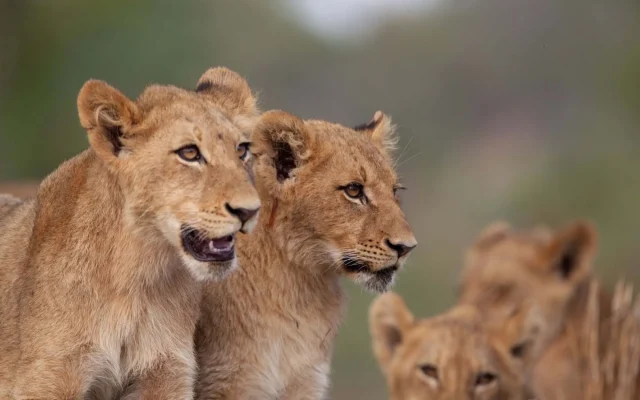
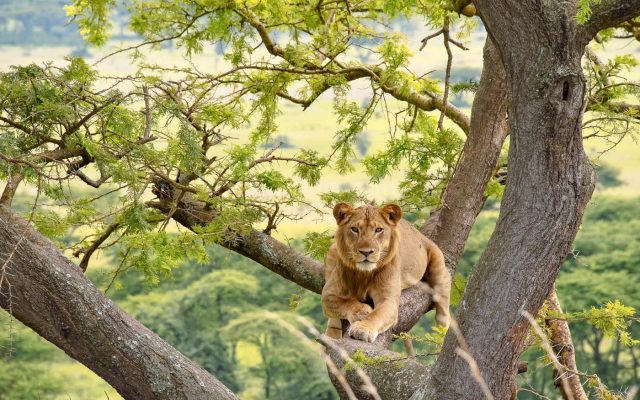
Pair Kazinga boat with Kasenyi plains drives for lions, Ishasha tree-climbing lions (southern sector), and crater lakes. See Uganda bird photography for wider circuit context.

Ethics and safety

Do not stand abruptly or lean over rails — hippos capsize boats if struck. Avoid flash on animals at close range. UWA rangers on board enforce distance from hippo pods when they submerge nearby.

Booking practicalities

Cruises depart from Mweya Peninsula — include in lodge package or pay UWA/operator fee on site. Private boat hire costs more but allows photographer pacing without passenger pressure to return.

You can photograph wildlife excellently from the Kazinga boat — it is among Uganda’s easiest high-yield sessions, where beginners leave with professional-looking frames and veterans still chase the perfect fish eagle splash.

Best seats and boat types

UWA public launches seat roughly 20 passengers — arrive early for starboard side if afternoon sun from west. Private photographer charters rotate boat 360° without schedule pressure — worth split cost among two couples. Double-deck boats offer height for horizon shots but amplify roll — seasickness rare on calm channel but bring medication if sensitive.

Species calendar on Kazinga

African skimmers breed seasonally on sandbanks — ask guides for current colonies. Shoebill occasional not guaranteed — dedicated Mabamba missions still recommended for lifer birders. Elephant swimming peaks dry season when banks muddy and bathing frequent midday.

Integration with Queen Elizabeth itinerary

Schedule Kazinga launch day after Kasenyi morning drive — mammals plus waterbirds single day. Ishasha tree-clion sector overnight separate — southern QENP rewards two-night minimum. Mweya lodge peninsula positions minutes from jetty — maximise launch count with dawn and dusk sessions if budget allows duplicate fees.

Comparison with Murchison Nile launch

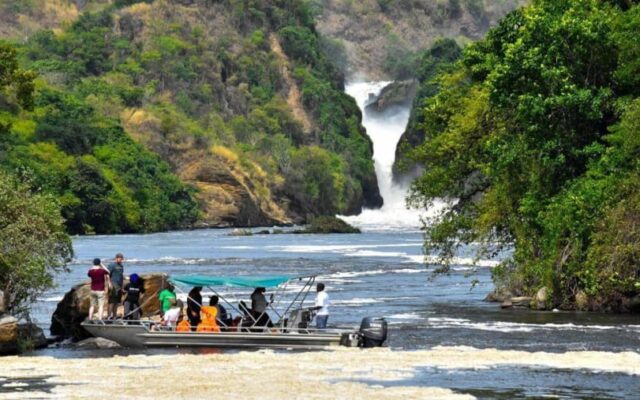
Murchison offers falls backdrop and shoreline buffalo — Kazinga wins mammal density per minute. Photographers on Uganda circuits should schedule both — distinct compositions prevent portfolio repetition. Falls spray damages unprotected bodies — rain covers mandatory on Murchison approach.

Lens rental in Kampala or Entebbe

Travellers without telephoto reach can rent 100–400mm before western circuit departure — weigh against gorilla trek porter limits if sharing one bag across activities.

RAW versus JPEG for boat glare

Shoot RAW on water — highlight recovery on hippo wet skin and elephant tusks saves otherwise blown frames when midday sun reflects off channel surface.

Arrive jetty fifteen minutes early to secure preferred side — late boarding limits angle options on crowded public launches.

Kazinga boat cruises, Ishasha lions, and gorilla extensions — share your dates for a quote.

Request a safari quote

Get a free quote