Home FAQ Planning & logistics

Which Parks Are Best For Families

Direct answer

The best family safari parks combine short game drives, strong predator and elephant viewing, malaria-aware planning, and lodges with pools and family rooms — top picks include Kenya’s Maasai Mara and Amboseli, Tanzania’s Serengeti and Ngorongoro, Uganda’s Queen Elizabeth and Murchison Falls, and South Africa’s Kruger for malaria-free options. Match park to children’s ages: teens handle gorilla trekking; younger kids thrive on boat cruises and fenced conservancies.

Which parks are best for families?

Family safaris fail when drives exceed attention spans or lodges lack fences. Success means choosing parks where wildlife appears within an hour, bathrooms exist mid-drive, and guides narrate like storytellers. East Africa offers several parks engineered — by nature or management — for multi-generational joy.

Maasai Mara (Kenya)

Why families love it: Big cats on every second drive, conservancy rules allowing off-road for close but safe viewing, and camps with family tents plus Maasai cultural visits. Flying from Nairobi cuts nausea on corrugated roads. Minimum ages vary — some camps accept toddlers in private vehicles only.

Amboseli (Kenya)

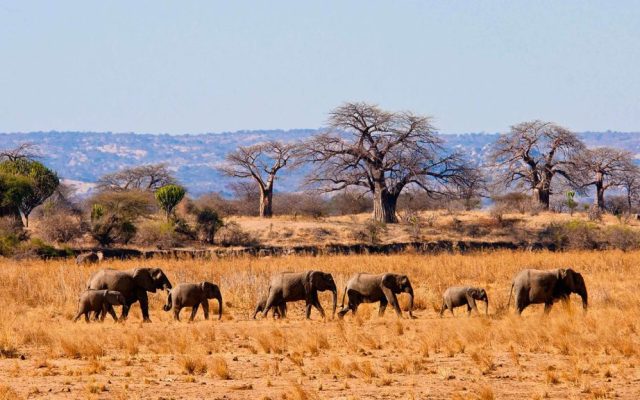
Flat terrain, elephant herds, and Kilimanjaro views on clear mornings. Drives are shorter than Mara marathons. Pair with Kenya family travel planning for beach add-ons at Diani.

Serengeti and Ngorongoro (Tanzania)

Serengeti kopjes entertain kids spotting lions on rocks; Ndutu calving season (January–March) delivers baby wildebeest chaos. Ngorongoro crater condenses wildlife into a natural bowl — half-day sufficient for younger children. See Tanzania family safaris for lodge picks.

Queen Elizabeth (Uganda)

Kazinga boat cruises keep children engaged — hippos metres away without dusty roads. Tree-climbing lions in Ishasha reward patient teens. Malaria prophylaxis required — consult paediatric travel clinics.

Murchison Falls (Uganda)

Boat to the falls thundering through the Nile — adventure without extreme trekking. Game drives on northern bank suit half-day schedules. Ferry crossings feel like expeditions kids remember.

Kruger (South Africa)

Malaria-free in main rest camp areas during winter; self-drive optional for confident parents. SanParks rest camps with shops and rondavels simplify budgeting. Less “wild” than East Africa but excellent for first family safaris with grandparents.

Parks to approach carefully with young kids

  • Bwindi gorilla trekking — Uganda minimum age 15 for permits
  • Kidepo — remote, long drives, spectacular but demanding
  • Mahale chimpanzees — lake boat access, steep trekking

Age-based planning

Under 6: Private vehicle, conservancy lodges, avoid gorilla/chimp treks. 6–12: Boats, cultural visits, shorter drives. Teens: Gorilla trekking, volcano hikes, photography workshops.

Lodge features that matter

Fenced compounds, pool supervision, early dinner service, Wi-Fi for homework on long stays, and interconnecting tents. Ask operators about babysitting — rare but exists at luxury tiers.

Health and safety

Yellow fever certificates if arriving from endemic countries. Seatbelt discipline in open vehicles. Malaria nets and repellent routines — make it a family ritual. Travel insurance with medical evacuation non-negotiable.

Multi-country family loops

Kenya Mara + Uganda QENP boat works in 10 days with flights. Tanzania crater + Zanzibar beach rewards good-behaviour teens. Rwanda gorillas suit mature families only due to permit cost and trekking rigour.

The best family parks are not always the most famous — they are the ones matching your children’s stamina to wildlife density, with lodges that understand sticky hands and earlier bedtimes.

Medical and evacuation planning

Flying Doctors membership or equivalent medevac insurance standard for family safaris. Pack paediatric antihistamines, rehydration salts, and familiar fever medication — rural clinics stock basics only. Confirm lodge nearest airstrip for emergency pickup before booking remote Kidepo or Mahale extensions.

School holiday crowd strategies

Book Mara conservancies not public reserve hotspots July–August. Consider May or early June green season — babies everywhere, lower prices, occasional showers. Tanzania crater less migration-dependent — good alternative when Mara sells out.

Uganda family circuit snapshot

Queen Elizabeth boat plus Murchison falls launch suit children — gorilla trekking teens only fifteen plus. Lake Mburo zebra walks guided short distances — compact park forgiving for juniors. Ziwa rhino walk minimum age check with sanctuary before booking family loop.

Health documentation checklist

Yellow fever certificates, malaria prophylaxis, and photocopied passports in separate bag from originals — parents manage paperwork once for whole family. Snack packs for picky eaters — lodge kitchens accommodate requests with advance notice to managers.

Motion sickness on safari roads

Front seats in 4x4 reduce nausea — request seating plan daily for sensitive children. Flying Mara avoids worst corrugated sections entirely worth premium for families with history of car sickness.

Sticker books and junior ranger programmes

Some Mara camps issue junior ranger booklets — passport stamps for species spotted engage children between formal game drives without screen dependency.

Compile shared family species checklist — children compete spotting while guides teach identification reinforcing engagement across long transfer days.

Age-appropriate parks, lodges with pools, and realistic drive times — share your family details for a quote.

Request a safari quote

Get a free quote