Is Kenya suitable for first-time safari travelers?
First safaris carry anxiety: malaria pills, tipping culture, long drives, and whether lions actually appear. Kenya answers those fears with decades of tourism muscle — Wilson Airport connections, Mara conservancy models, and guides who narrate every gazelle. For many North American and European travelers, Kenya is the gateway safari that hooks them for life.
Why Kenya beats harder first-timer choices
Unlike remote parks requiring charter-only access, Kenya’s northern circuit combines road and air options.
Nairobi hotels store luggage between legs. ATMs and pharmacies exist in gateway towns. English is an official language — briefings land clearly. Compare that with first trips to vast, self-drive Botswana or Congo logistics, and Kenya feels structured.
Iconic wildlife without specialist knowledge
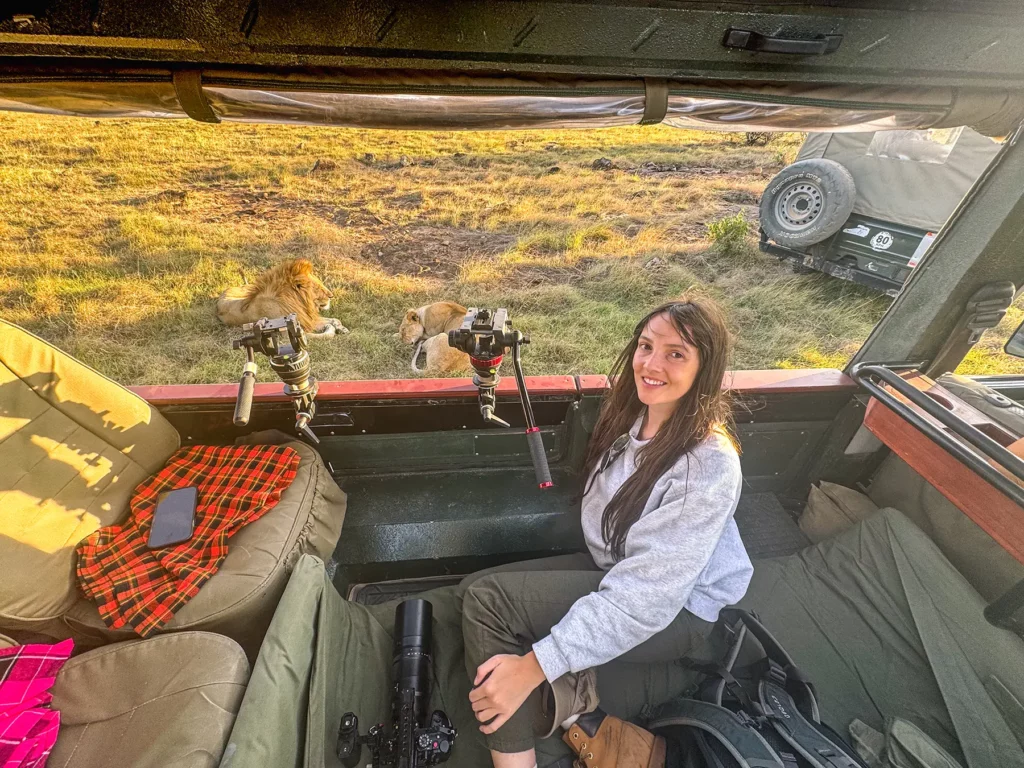
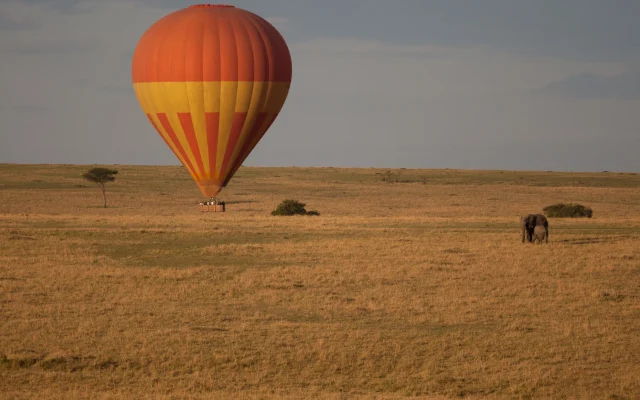
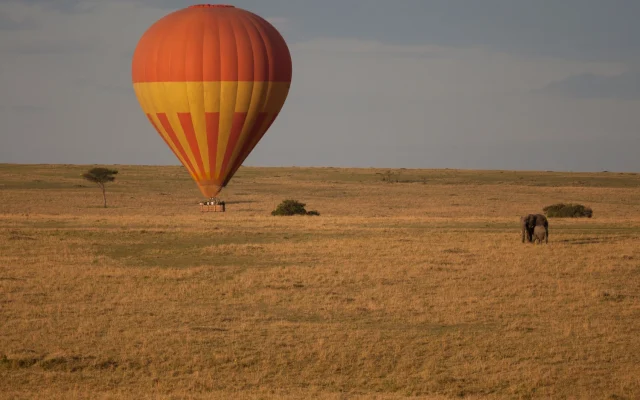
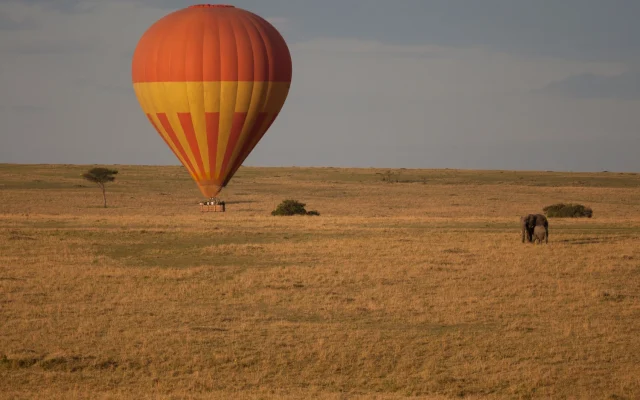
Maasai Mara: Lions, cheetahs, elephants, and migration herds (July–October) visible from open 4x4s on short game drives. First-timers see drama on day one.
Amboseli: Elephants before
Kilimanjaro — postcard frames that need no photography skill.
Lake Nakuru: Rhino, flamingos, and compact loops — half-day wins for jet-lagged arrivals.
Samburu: Optional northern extension for reticulated giraffe and Grevy’s zebra — still guided, still comfortable lodges.
Infrastructure first-timers notice
- Jomo Kenyatta and Wilson airports with clear safari transfer desks
- Paved highways to Nakuru; graded roads to Mara with experienced drivers
- Conservancy lodges with pools, Wi-Fi, and kids’ menus
- Medical clinics in Nairobi; flying doctors membership common among operators
Budget flexibility
Kenya spans $250-per-day camping overlands to $1,500-per-night conservancy suites. First-timers can start mid-range — permanent tented camps with en-suite bathrooms — without sacrificing ranger quality. See
why Kenya ranks among Africa’s greatest destinations for deeper context.
Family and age considerations
Many camps accept children from six years with family rooms. Game drives last 2–3 hours — manageable for teens. Malaria prophylaxis and yellow fever rules apply; consult travel clinics early. Pair with
Kenya family suitability if traveling with grandparents.
Seasons simplified
Dry seasons (June–October, January–February) mean easier wildlife spotting and dust — pack buffs. Green season (April–May) discounts lodges; roads muddier but babies everywhere. First-timers prioritising migration should book Mara windows a year ahead.
Safety and expectations
Stay inside vehicles unless guides permit walks. Nairobi traffic requires daytime transfers. Choose KATO-registered operators with transparent insurance. Wildlife is wild — no guarantees, but Mara lion densities reward patience.
Sample first-timer itinerary
Day 1 Nairobi rest. Days 2–4 Mara conservancy. Day 5 Nakuru rhino. Day 6 Amboseli elephants. Day 7 fly Nairobi outbound. Extensions:
Diani beach or
gorilla trekking in Uganda via short flight.
When Kenya is not ideal
Purists seeking exclusive low-density Botswana may find Mara crowded in peak season.
Birding specialists might add Uganda. But as a first safari proving ground, Kenya delivers confidence, stories, and return bookings — see
why visitors return.
Kenya suits first-time safari travelers because it teaches the rhythm of African travel without punishing beginners — and still leaves room for a lifetime of comebacks.
Common first-timer mistakes to avoid
Over-packing formal wear — lodges are smart-casual. Skipping travel insurance with evacuation cover. Booking only one night Mara during migration — three minimum improves odds. Tipping anxiety — ask operator for printed guide. Comparing every lion to BBC footage — real safaris include quiet drives; patience is skill.
Packing essentials simplified
Neutral layers, wide-brim hat, refillable water bottle, binoculars even for non-birders, power bank, photocopied passport, and soft duffel for bush planes. Leave hard suitcases in Nairobi storage — Wilson flights enforce weight limits strictly.
Post-safari beach extension ease
Diani and
Watamu integrate smoothly — domestic flights or scenic rail emerging on Nairobi–
Mombasa corridor. First-timers often book safari-first beach-second pattern — wildlife priority secured before relaxation. Malaria continues on coast — continue prophylaxis per doctor advice.
Tipping and cultural etiquette primer
Tip guides and camp staff in USD or Kenyan shillings — operators provide printed guidelines. Ask before photographing Maasai warriors commercially — fair payment expected. Swahili greetings (“Jambo”, “Asante”) open warm interactions without linguistic fluency.
Currency and payments
USD widely accepted for tips; Kenyan shillings useful for airport snacks and craft markets. ATMs in Nairobi and major towns — notify bank of travel dates to prevent card blocks on first lodge charge.
WhatsApp connectivity
Safaricom data works surprisingly well in Mara conservancies — first-timers reassure family at home without expensive satellite phones on standard circuits.