Home FAQ Planning & logistics

Why Do Millions Of Tourists Visit Kenya Every Year

Direct answer

Millions visit Kenya each year for the Maasai Mara migration, Indian Ocean beaches, Nairobi hub access, diverse national parks, community conservancies, and a mature safari industry that combines bush and coast in one trip. Kenya Tourism Board data regularly reports visitor arrivals in the millions annually (pre- and post-pandemic recovery), with wildlife safaris, beach holidays, conferences, and diaspora visits all contributing.

Why millions of tourists visit Kenya every year

Kenya occupies a sweet spot in global travel: familiar enough for first-time Africa visitors, wild enough to feel transformational. Arrival statistics fluctuate with world events, but the long-term trend shows millions choosing Kenya repeatedly — not only for one river crossing photograph, but for layered holidays that mix predators, beaches, culture, and city dining in a single itinerary.

The Maasai Mara and Great Migration

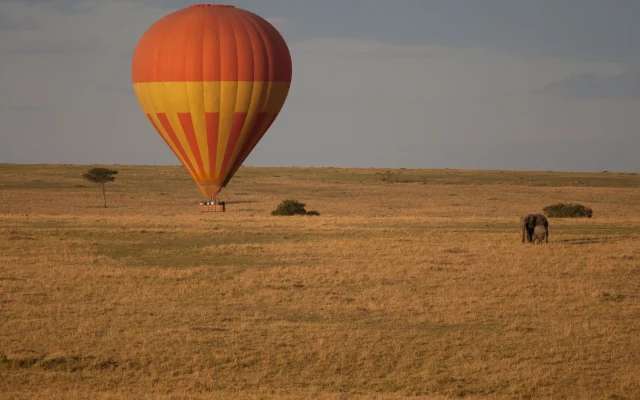
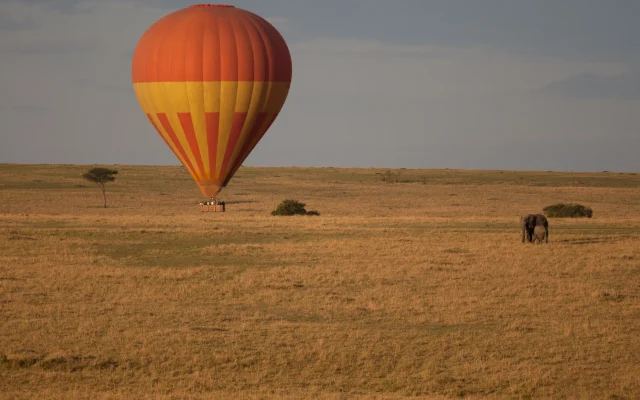
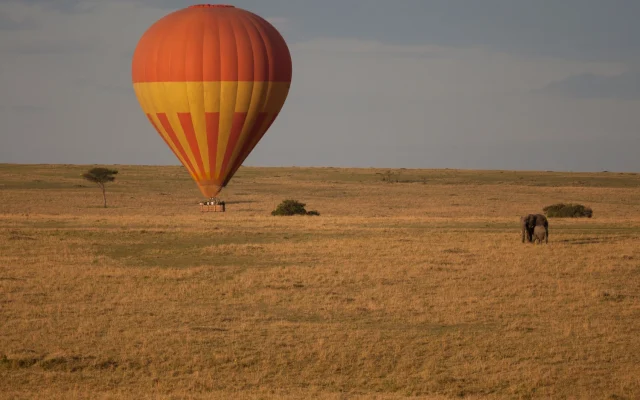
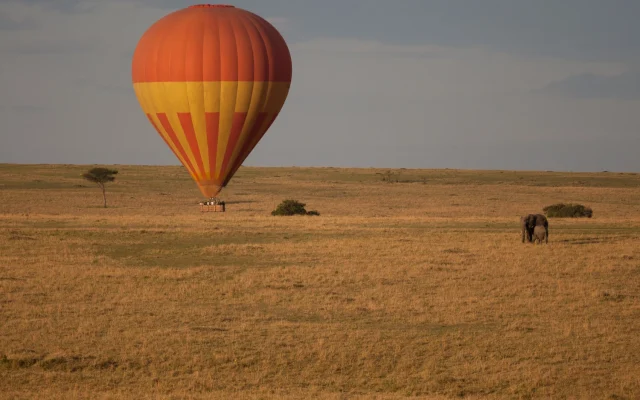
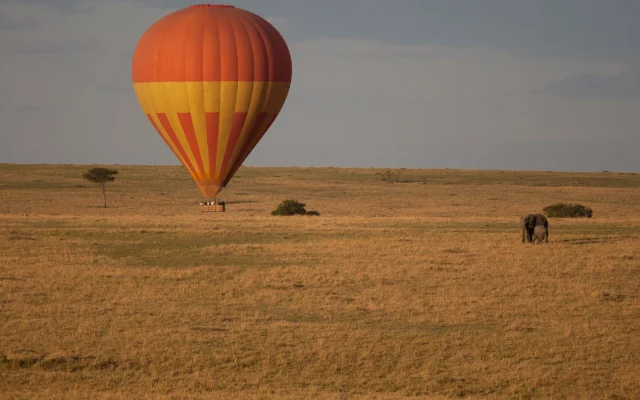
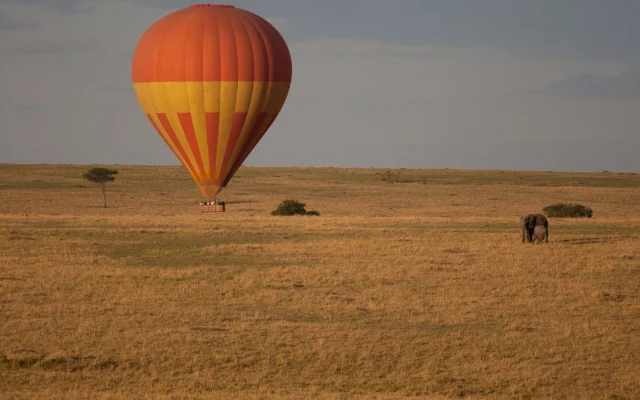
No single image sells Kenya like wildebeest plunging into the Mara River. The Great Migration draws documentary crews, honeymooners, and photographers who plan years ahead for July–October crossings (timing varies). Even outside peak months, the Mara’s resident predators and conservancy cats sustain demand year-round.

Beach and bush on one visa

Kenya’s Indian Ocean coast — Diani, Watamu, Lamu — lets travelers finish savannah dust with turquoise water without a second international flight. Families and honeymooners value that combination; conference delegates extend stays. Few competitors match seamless bush-to-beach logistics from Nairobi.

Nairobi as East Africa’s hub

Jomo Kenyatta International Airport connects Europe, Middle East, Asia, and regional Africa. Multi-country itineraries often start or end in Nairobi, capturing transit tourists for at least one park visit. Nairobi’s restaurant and gallery scene grew with safari tourism — urban Africa experience plus wildlife in one passport stamp.

Park diversity beyond the Mara

Repeat visitors branch to Amboseli (elephants and Kilimanjaro), Samburu (specialist species), Tsavo (red elephants and scale), Laikipia (rhino conservancies), and Meru (uncrowded wilderness). Diversity reduces over-tourism pressure on any single reserve and spreads economic benefit.

Conservancy model success

Community conservancies expanded bookable habitat dramatically — travelers pay premiums for low vehicle counts and walking safaris. Kenya exported this model globally; it keeps pastoralist land open and wildlife paying rent.

Conference and business travel

Nairobi hosts regional headquarters and UN agencies. MICE tourism (meetings, incentives, conferences, exhibitions) adds millions of bed-nights. Safari extensions convert business trips into family memories — a volume driver often undercounted in “safari tourist” headlines.

Diaspora and cultural return travel

Kenyan diaspora communities revisit for family, weddings, and roots tourism — overlapping with coastal and park travel. Dual-citizen flows stabilise arrivals when traditional markets dip.

Compared with regional neighbours

Tanzania owns more Serengeti acreage; Uganda wins primate depth; Rwanda sells efficiency. Kenya wins package breadth and brand recognition — “Kenya safari” is a global category like “Patagonia trek.” Marketing spend and decades of operator maturity compound.

Challenges Kenya manages publicly

Crowds at migration hotspots, occasional travel advisories, climate droughts affecting rangelands, and pricing pressure in peak season are real. Kenya responds with conservancy expansion, aviation investment, and conservation storytelling — rhino recovery being a flagship narrative.

Who the millions are

  • First-time Africa families
  • Photographers and filmmakers
  • Luxury travelers booking private conservancies
  • Backpackers on Nairobi–Mombasa routes
  • Indian Ocean resort guests adding one park day

Millions visit because Kenya delivers Africa’s highlight reel with infrastructure that reduces friction — and because the Mara migration, shown on every wildlife streaming service, created desire long before the flight landed.

Business events and conference tourism

Nairobi hosts UN regional offices, tech summits, and marathon events drawing participants who extend stays for two-night Mara add-ons. MICE tourism (meetings, incentives, conferences, exhibitions) pairs corporate retreats with conservancy team-building — Kenya markets bush boardrooms alongside lions.

Indian Ocean connectivity

Coastal resorts at Diani and Watamu receive charter and scheduled flights from Europe — safari-plus-beach packages sell heavily in UK and German markets. Visa eTA simplification and English-language service reduce friction for mass tourism segments beyond luxury niche.

Wildlife research and documentary crews

Long-term studies in Mara, Amboseli elephant project, and Laikipia predator research attract scientists and film crews whose presence reinforces Kenya's global wildlife brand — BBC and Netflix productions recycle imagery into decades of destination marketing flywheel.

Safari aviation and lodge infrastructure scale

Kenya operates one of Africa's densest networks of bush airstrips and scheduled Safarilink/Airkenya routes — tourists reach Mara in under an hour from Nairobi. Hundreds of licensed camps span budget to ultra-luxury, creating price competition rare in low-density destinations. That scale absorbs mass tourism without every visitor competing for identical public reserve junctions when conservancies used wisely.

Mara migration windows, conservancy lodges, and bush-beach routes — share your dates for a quote.

Request a safari quote

Get a free quote