What animals can I see on a boat safari?
Land cruisers chase dust and distance. Boats drift at eye level with creatures that live half-submerged — the safari genre most beginners underestimate until a hippo yawns two metres from the gunwale. Boat safaris are not birding side trips; they are primary wildlife platforms across East and Southern Africa.
Hippos and crocodiles
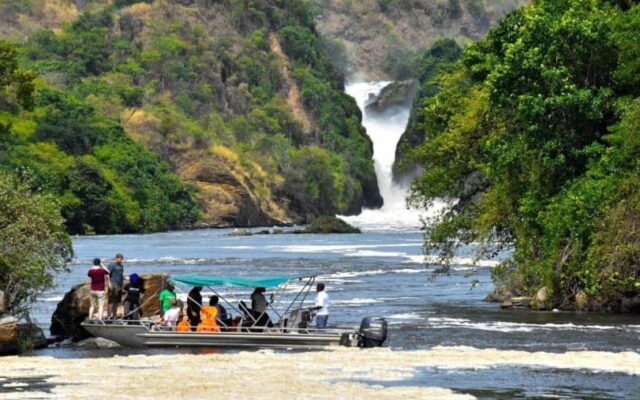
Hippos dominate African boat routes — pods of thirty common on Kazinga Channel and Chobe River. Guides read behaviour: yawning displays dominance, not boredom. Nile crocodiles bask on sandbanks, slide silently at engine cut. Murchison Falls launches pass crocodiles ambushing fish below the falls.
Elephants and buffalo
Elephants swim channels trunk-high — iconic frames from Queen Elizabeth and Chobe. Buffalo drink in lines along banks; oxpeckers add photographic detail. Uganda’s Kazinga photography guide covers technique.
Waterbirds and raptors
African Fish Eagles strike from posts. Pelicans, storks, herons, kingfishers, and skimmers (seasonal) fill viewfinders. Shoebill missions use smaller canoes in Mabamba (Uganda) and Bangweulu (Zambia) — specialist boat safaris. See Uganda birding.
Antelope and predators at shore
Waterbuck, kob, and impala graze edges — leopards occasionally drink at dusk (Chobe and Zambezi). Lions rarely swim but may appear on banks in Queen Elizabeth. Boat safaris complement land drives; they do not replace cat tracking in grassland.
Primates and otters
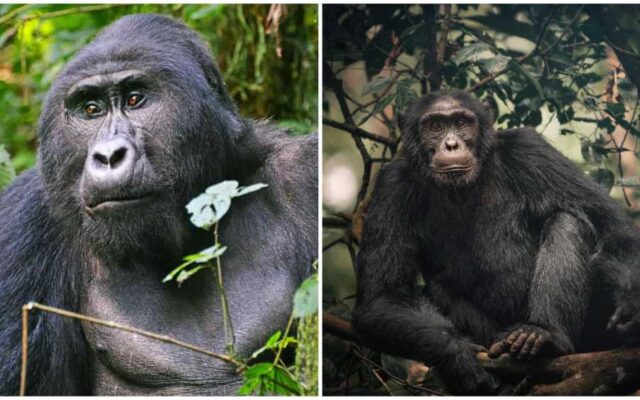
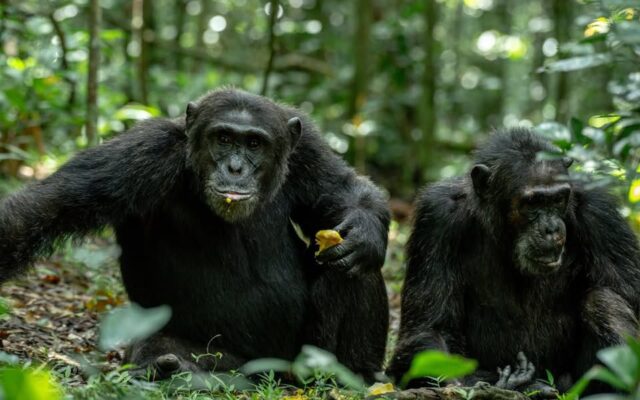
Red colobus and vervet monkeys line forested shores on Kazinga. Spot-necked otters play in quieter backwaters — guides with local knowledge find them. Chimpanzee shore sightings occur rarely in Kyambura Gorge approaches.
Top boat safari destinations
- Kazinga Channel, Uganda — highest mammal density per hour
- Murchison Falls Nile launch — falls backdrop plus game
- Chobe River, Botswana — elephant capital
- Zambezi, Zimbabwe/Zambia — sunset hippos above Victoria Falls
- Lake Naivasha, Kenya — giraffe on Crescent Island walks nearby
- Selous/Rufiji, Tanzania — wilder, fewer boats
What you typically will not see
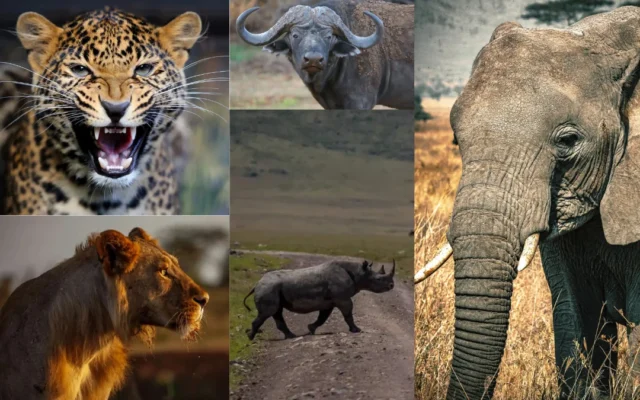
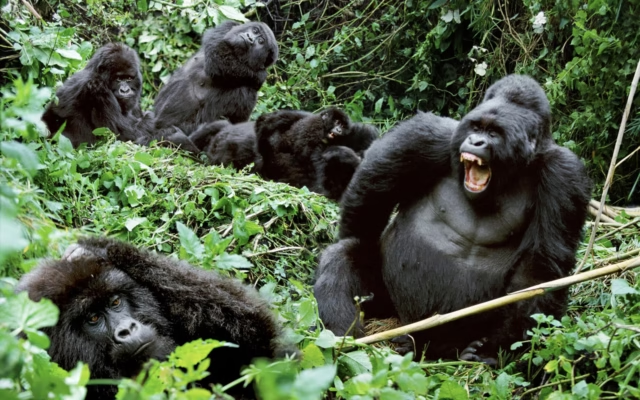
Rhinos (except rare sanctuary waterholes), mountain gorillas, or deep-forest specialists. Boat safaris excel at aquatic and edge-habitat species.
Safety and etiquette
Stay seated when hippos submerge nearby — they capsize craft if struck. No standing for photos unless ranger permits. Life jackets on family cruises. Early morning and late afternoon reduce glare and heat.
Combining with land itineraries
Queen Elizabeth pairs boat with Ishasha lions. Murchison combines launch with northern bank drives. Chobe day trips from Victoria Falls suit short stays. Enthusiasts schedule boats on arrival days when legs need rest.
Boat safaris deliver Africa’s most reliable close encounters — hippos, elephants, and eagles at waterline — turning passive passengers into witnesses of behaviour land vehicles rarely match.
Photography from boats
Polarizers essential; spray from hippos coats lenses — carry cloth on lanyard. Shoot at eye level by crouching if bench allows — ranger permitting. Afternoon light on Chobe and Kazinga warms mammal skin tones — schedule launches accordingly not only for wildlife activity.
Family boat safety
Life jackets for children on all reputable operators — confirm before boarding. Keep arms inside when hippos submerge nearby. Shorter one-hour launches suit toddlers better than half-day Chobe marathons.
Uganda boat safari pairing guide
Murchison Delta half-day complements top-of-falls hike — shoebill possible with specialist delta guide. Lake Mburo afternoon launch quieter than Kazinga crowds — ideal beginners. Schedule boats on arrival or departure days when legs need rest from corrugated roads.
Chobe day-trip from Victoria Falls
Livingstone and Victoria Falls town hotels organise Chobe day safaris — families on southern Africa loops add elephant boat without week-long Botswana commitment. Passport required border crossing — confirm children's documentation before booking.
Selous boat regulations
Tanzania Selous/Rufiji boat safaris require park ranger aboard — wilder, fewer vessels, excellent hippo and crocodile density for enthusiasts avoiding crowded Kazinga-style tourism.
Crocodile nesting season caution
Nesting crocodiles defend banks aggressively certain months — rangers adjust boat distance seasonally; trust local knowledge over generic wildlife app assumptions.
Hippopotamus behaviour interpretation
Guides explain yawn displays and pod hierarchy during cruises — educational narration transforms hippo watching from static blobs to behavioural study engaging curious teenagers on family boats.
African skimmer breeding colonies appear seasonally on Kazinga sandbanks — ask launch captain for current colony location before boarding afternoon cruise.
Spot-necked otter sightings reward quiet engine stretches on Kazinga — guides cut motors near reed beds when tourists agree to silence protocol briefly.
Water monitor lizards bask on Kazinga banks — reptile enthusiasts add scaly subjects between mammal and bird frames on single launch.

 BestSeller
 BestSeller
 BestSeller
 BestSeller