Is Aberdare good for landscape photography?
Savannah photographers chase golden grass; Aberdare landscape specialists chase vapour. Kenya’s central highlands compress elevation, moisture, and forest into frames feeling more Pacific Northwest than Masai Mara — a deliberate palette shift for portfolios needing depth and atmosphere.
Mist and cloud inversion
Dawn on ridges above 3,000 metres often places viewers above cloud sea — sun igniting floating islands. Telephoto isolates peaks; wide-angle captures vast inversion tables. Weather unpredictable — multiple mornings recommended.
Forest cathedral compositions
Moss-draped hagenia and cedar trunks create natural arches. Diffuse light reduces harsh contrast — ideal for HDR minimalists. Fallen logs and fern carpets add foreground interest — pair with why photographers choose Aberdare for wildlife crossover.
Karuru Falls
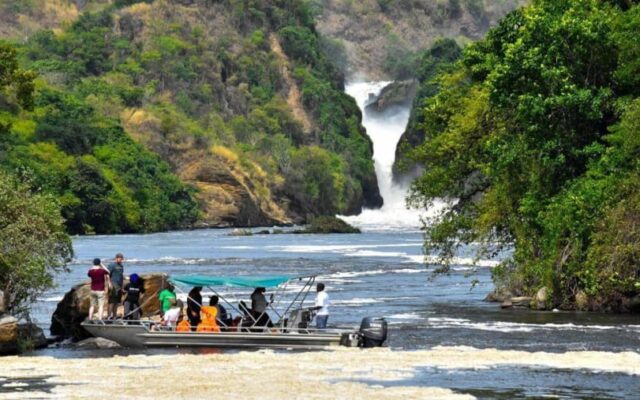
Three-tier waterfall totalling 273 metres drop — viewpoints accessible via trails. Long exposure silky water requires tripod and ND filters; mist coats gear quickly. Wet season flow strongest; dry season reveals rock structure.
Bamboo zones
Vertical green columns simplify minimalist compositions. Wind creates motion blur experiments at slow shutter. Golden monkeys occasionally add scale — patience merges wildlife and landscape.
Moorland and tussock grass
Upper zones resemble Scottish highlands — surreal in equatorial Kenya. Lobelia giants punctuate horizons. Clear days reveal Mount Kenya distant north — telephoto compression opportunities.
Lodge architecture in landscape
Tree lodges perched over valleys integrate human elements — environmental storytelling for travel editors. Night long-exposures of waterhole floodlights against forest backdrop unique globally.
Season and light
Long rains (March–May) maximise mist and flow. Dry months (July–September) improve road access to viewpoints. Golden hour brief at equatorial latitude — arrive early, stay late.
Gear and protection
Tripod, rain sleeve, microfiber cloths, silica gel in bag. Polarizers cut glare on wet leaves inconsistently — experiment. Drone use restricted in national park — confirm current KWS rules.
Combining with other Kenya landscapes
AmboseliKilimanjaro silhouettes contrast Aberdare mood — week-long photo loops balance both. Great Rift Valley viewpoints en route add geological layers.
Non-landscape companions
Partners uninterested in fog may prefer Aberdare non-safari activities — fishing and moorland walks — while shooters chase dawn.
Composition techniques for forest and mist
Layering separates amateur snapshots from portfolio frames: place a sharp fern foreground at frame edge, let mist soften mid-ground ridges, and reserve a sliver of brighter sky for depth. Shoot verticals in bamboo — leading lines draw eyes upward naturally. When cloud inversion fills valleys, expose for highlights on cloud tops and lift shadowed forest in post — bracket three stops if contrast exceeds dynamic range. Avoid centre-weighted compositions; place horizon on upper third when shooting above cloud sea.
Multi-day Aberdare landscape itinerary
Day one: arrive Aberdare Country Club or Tree Lodge, scout waterhole light at dusk. Day two: dawn Karuru Falls trail — long exposure before visitor foot traffic. Day three: moorland ridge drive for inversion hunting — weather apps lie; local guides read valley fog better. Day four: bamboo zone macro (moss, fungi) if rain persists. Pair with Laikipia conservancy two nights for savannah contrast before Nairobi departure — editors love variety in single Kenya submissions.
Post-processing notes for highland humidity
Humidity scatters light — images look flat until selective contrast and clarity applied sparingly on tree bark texture. Dehaze sliders overuse creates artificial gloom; embrace soft atmosphere as Aberdare’s signature. Lens fog between cold dawn and warming air — keep silica gel in bag, pause shooting until glass clears rather than wiping constantly.
Aberdare is good for landscape photography when your aesthetic values atmosphere over acreage — Kenya’s highland secret for photographers tired of another identical savannah sunset.
Permits and park access timing
KWS gates open dawn — first vehicle advantage on Karuru mist. Fisherman Trail and elephant routes require ranger escort in some sectors — book previous day. Rain closures occasional on steepest tracks — flexible itinerary buffers disappointment.
Weather apps versus local knowledge
Mountain microclimate defies forecasts — lodge staff know inversion probability better than smartphones. Hire local guide for Karuru timing — first visitor wave often misses mist peak by thirty minutes. Persistence across three dawns beats single lottery morning.
Foreground element scouting
Guide knowledge of mossy log positions and fern clearings saves hours random wandering — tip drivers who revisit successful compositions across multiple mornings. Macro fungi and lichen suit overcast days when grand vista inversion absent.
Great Rift Valley viewpoints en route
Nairobi–Aberdare drive offers escarpment pullouts — combine travel day photography with arrival at lodge before formal park entry fees activate next morning.

 BestSeller
 BestSeller
 BestSeller
 BestSeller