Can Uganda satisfy photographers?
Photographers judge destinations by keeper rate — usable frames per day. Uganda delivers unevenly: forest gloom challenges exposure, then a gorilla juvenile hangs from a vine and the trip pays for itself. Variety across ecosystems keeps portfolios fresh without continent-crossing flights.
Primate photography
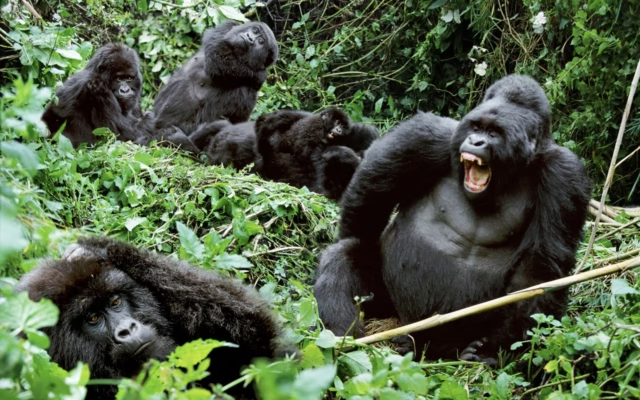
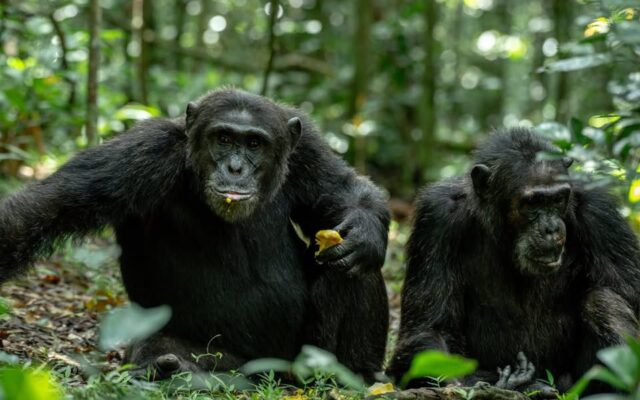
Bwindi and Mgahinga gorilla treks allow one hour at close range — fast primes and high ISO essential. Kibale chimps move faster; burst mode and patience required. Golden monkeys in bamboo explode with colour. No other country packs three habituated primate genres so densely.
Iconic wildlife moments
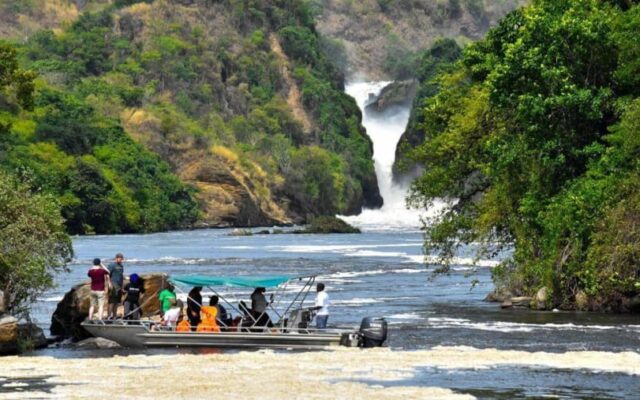
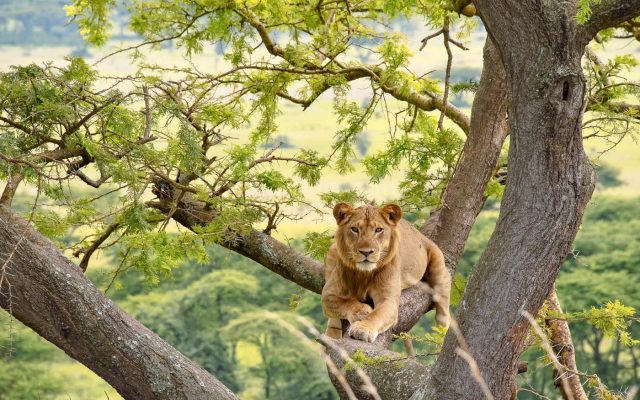
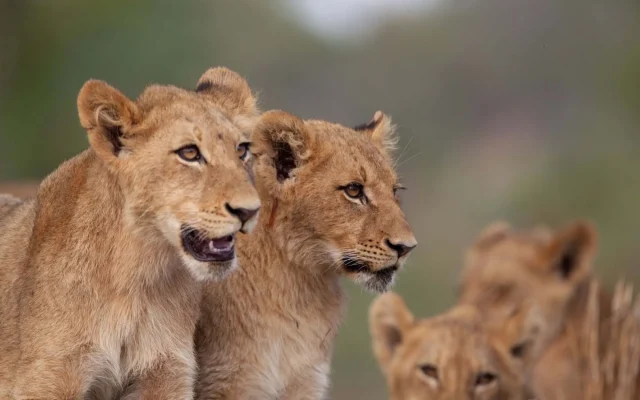
Ishasha tree-climbing lions — fig-tree compositions unique globally. Kazinga Channel — hippos and elephants at waterline; see dedicated boat photography FAQ. Murchison Falls — 43-metre Nile compression shots from boat and cliff trail.
Bird photography depth
Shoebill in Mabamba swamp — prehistoric portraits. African fish eagles on Kazinga posts. Green-breasted pitta quests in Kibale. Uganda competes with anywhere for bird portfolio breadth — bird photography guide.
Landscape and environmental storytelling
Rwenzori glacial peaks (multi-day trek), crater lakes of Fort Portal, and savannah horizons at Kidepo suit wide-angle specialists. Community coffee tours near Sipi Falls add human-nature layers.
Light and season challenges
Forest treks mean 1/60s struggles — embrace grain or flash prohibition. Dry seasons (June–September, December–February) brighten savannah drives. Midday QENP boat launches harsh — polarize and shoot RAW.
Gear logistics
Porters available on gorilla treks for heavy 100–400mm lenses. Dust on savannah — sensor cleaning kits mandatory. Lodges near parks increasingly offer charging stations; carry dual batteries for boat days.
Compared with Kenya and Tanzania
Mara and Serengeti win migration scale and predator density statistics. Uganda wins intimate primate and bird niches plus quirky behaviours (tree lions, shoebill). Many photographers combine Uganda primate week with Kenya Mara flight.
Ethics and permits
Gorilla rules forbid flash and tripods. Maintain distances even when subjects approach. Revenue from permits funds conservation — traveler conservation role.
Sample photographer itinerary
Days 1–2 Entebbe shoebill. Days 3–4 Bwindi gorillas (two treks). Days 5–6 Queen Elizabeth boat + Ishasha. Days 7–8 Kibale chimps + birds. Day 9 Murchison falls launch. Day 10 edit and fly — 10,000 images realistic.
Post-processing and backup workflow
Forest humidity risks sensor mould — bag silica gel nightly. Laptop editing at lodges with generator hours only; bring portable SSDs duplicated each night. Cloud upload from Entebbe before departure if bandwidth allows. Gorilla trek RAW files deserve separate folders — mislabelling chimps as gorillas embarrasses portfolio reviews. Colour temperature shifts wildly between bamboo green and savannah gold — batch edit by location not by day.
Hiring local photography guides
Specialist guides know shoebill canoe angles, Ishasha lion fig trees active last season, and Kibale pitta stakeouts. General safari guides stop for rollers; bird-photo guides pause for malachite kingfishers. Budget one premium guide day per week — return on keeper rate justifies fee. Tip when they spot behavioural sequences — leopard descending fig, elephant mock charge aborted.
Permit timing for photographers
Two gorilla treks on consecutive days double permit cost but hedge weather cancellations. Chimp habituation permits fewer — book before flights. Queen Elizabeth boat launches: afternoon light beats morning for elephant skin tones on Kazinga. Murchison falls viewpoint trails close after rain — flexible scheduling wins.
Portfolio storytelling beyond single frames
Editors want narrative: permit queue anxiety, porter kindness, ranger eye contact with gorilla. Wide environmental shots establish scale; tight eyes deliver emotion. Community portraits require consent and fair payment — ethical storytelling strengthens conservation pitches linked to traveler conservation roles.
Uganda satisfies photographers who value encounter quality and species oddities over single-species volume — a portfolio country, not only a poster country.
Editing workflow on the road
Lodge generators often run 6–10 PM only — cull and flag keepers nightly, batch edit in Entebbe before international departure. Separate folders per species prevent catalog chaos. Gorilla trek humidity fogs lenses — acclimatize glass indoors before shooting to reduce internal condensation damage on expensive bodies.
Cross-border Mara extension
Photographers often end Uganda primate week with short flight Entebbe–Nairobi for Mara migration scale — single-country Uganda satisfies niche portfolios; hybrid circuits satisfy megafauna volume addicts within two-week holiday allowance.
Weight limits on gorilla trek
Porters carry heavy lenses legally — budget $15–20 tip per trek. Pack rain sleeve inside belt bag accessible without opening main pack when sudden forest downpour starts mid-habituation approach.
Queen Elizabeth night sounds
Hyena and lion calls from Mweya lodge verandas add atmospheric audio memories — tripod star trails over Kazinga channel possible on moonless nights from lodge grounds where safety permits.

 Best
Seller
Best
Seller
 Best
Seller
Best
Seller
 Best
Seller
Best
Seller
 Best
Seller
Best
Seller