Can travelers contribute to conservation?
Conservation tourism asks whether your holiday money protects what you photograph — or funds its loss. East Africa’s best models prove travelers contribute materially when fees flow to rangers, communities see tangible benefits, and operators enforce ethical codes.
Permit and park fee revenue
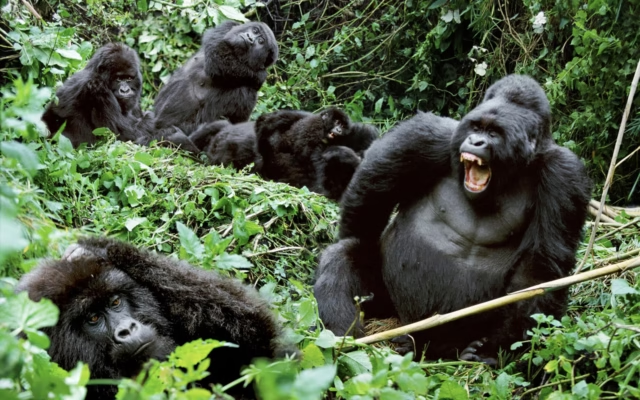
Gorilla permits in Uganda and Rwanda allocate significant portions to national park authorities and community projects — schools, health clinics, buffer crops. Chimpanzee and golden monkey permits follow similar splits. Every savannah park entry fee funds anti-poaching patrols and veterinary units. Your invoice is a conservation budget line item.
Community revenue sharing
Uganda’s UWA shares 20% of park entry with adjacent parishes. Rwanda’s revenue-sharing programmes fund local cooperatives. Kenya’s conservancies pay lease fees to Maasai landowners per acre — tourism beds literally buy grass for wildlife. Understand community conservation before choosing cheapest uncertified camps.
Conservancy and concession models
Staying Mara conservancy lodges channels bed-night fees to habitat protection and ranger salaries beyond public reserve minimums. Low-density tourism reduces vehicle impact while increasing per-guest conservation yield — see tourism supporting conservation.
Choosing operators consciously
Licensed operators pay taxes, employ trained guides, and maintain vehicles that do not off-road illegally. Ask about:
- Local employment percentages
- Plastic reduction policies
- Community project partnerships
- Wildlife harassment protocols
Budget bootleg operators undercut conservation by skipping fees and fair wages.
Direct donations and volunteering
NGOs like African Parks, Gorilla Doctors, and Jane Goodall Institute accept targeted donations. Avoid orphanage tourism and unvetted “voluntourism” disrupting school schedules. Some lodges facilitate guest gifts — school supplies purchased locally, not imported candy.
Carbon and offset realism
Long-haul flights dominate carbon footprints. Offsets through reputable schemes help marginally; choosing longer stays reducing internal flights matters more. Some lodges run solar and water-recycling — reward them with bookings.
Behaviour as contribution
Following gorilla distance rules prevents disease transmission. Refusing litter on trails models standards. Reporting snare sightings to rangers saves animals. Not buying ivory or bushmeat souvenirs removes market incentive.
Species-specific examples
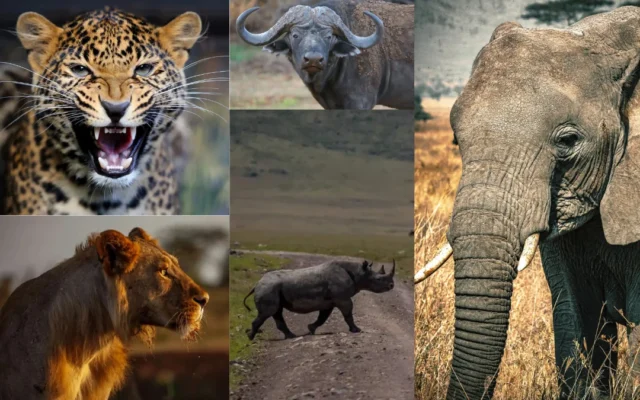
Akagera’s lion reintroduction relied on tourism revenue after African Parks partnership. Rhino sanctuaries in Kenya and Uganda fund armed guards from visitor fees. Elephant corridors survive where tourism pays lease — read elephant threats.
Measuring your impact
Request transparency: “What percentage of my permit supports communities?” Reputable operators answer specifically. If answers vague, redirect spend.
Travelers contribute to conservation every time they book ethically — permits and park fees are the minimum; operator choice and on-ground behaviour determine whether your safari net-protects the animals you came to see.
Micro-actions with macro impact
Choose refillable bottles at lodges banning single-use plastic. Decline bushmeat souvenirs illegal and ecologically destructive. Report snares to rangers immediately. Share conservation-linked operators in reviews — market pressure rewards transparency. Sponsor ranger days through vetted NGO programmes if moved by visit.
Long-term engagement beyond one trip
Adopt-a-gorilla or rhino programmes through established charities sustain funding between safaris. Alumni travellers join fundraising climbs of Kilimanjaro or marathons for conservation NGOs — Kenya and Uganda communities maintain email relationships with repeat donor visitors.
Lodge certification questions to ask
Inquire GSTC or similar sustainability credentials, solar percentage, water recycling, and local procurement ratios before booking. Properties transparent on metrics usually fund patrols honestly — greenwashing lodges dodge specifics when emailed direct conservation budget questions.
Volunteer time boundaries
Short structured community projects — school supply delivery with operator partners — beat unstructured orphanage visits harmful to child welfare. Conservation contribution includes refusing exploitative wildlife interactions marketed on social media.
Souvenir ethics checklist
Buy beaded crafts from cooperatives not children peddling roadside — fair trade supports households reducing poaching recruitment pressure in marginal economic zones near parks.
Carbon literacy honest framing
Long-haul flights dominate footprint — travellers offset modestly but prioritise longer stays and fewer internal flights for meaningful per-safari emissions reduction over token gestures alone.
Review and referral impact
Posting detailed reviews naming community programmes funded by lodges amplifies market reward for ethical operators — word-of-mouth remains East Africa conservation tourism strongest accountability mechanism.
Choose refillable water bottles at lodges eliminating plastic — small daily habit visible to guides modelling standards for local employment culture shift.
Ask operators what percentage of package price reaches park authorities — transparent operators answer specifically supporting informed consumer conservation choices.
Share accurate wildlife behaviour education on social media — correcting misinformation reduces harmful tourist expectations globally.
Report illegal wildlife products for sale — alert guides or park authorities immediately when encountered.

 BestSeller
 BestSeller
 BestSeller
 BestSeller