If you are planning a Rwanda safari and wondering whether your visit actually matters beyond photographs, Akagera is one of the clearest examples in the region of tourism paying for conservation in real time.
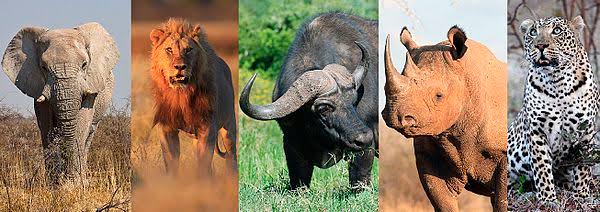
The park sits in Rwanda’s Eastern Province — a mosaic of savannah, lakes, and wetlands that was badly depleted during the 1990s. Today it is home again to lion, black rhino, southern white rhino, elephant, giraffe, and classic Big Five viewing on lake-fringed game drives. That turnaround did not happen by accident. It happened because tourism revenue was reinvested into law enforcement, habitat management, and community relationships.
The African Parks partnership and why it changed everything
In 2010 the Government of Rwanda invited African Parks to co-manage Akagera through the Akagera Management Company (AMC), alongside the Rwanda Development Board. At that point the park employed only a few dozen staff and wildlife populations were fragile.
Professional management brought structured patrols, tourism planning, and long-term species recovery programs. Lions were reintroduced in 2015, eastern black rhino in 2017 and 2019, and southern white rhino in larger numbers from 2021 onward — with further reintroductions continuing as part of broader rhino recovery efforts. Each of those milestones required years of funding for security, veterinary care, tracking, and habitat work.
Tourism income is what makes that model viable year after year. African Parks reports that Akagera has become increasingly self-sufficient, with visitor revenue covering the bulk of operational costs and reducing dependence on donor support alone.
Where the money actually goes
When you pay Akagera’s park entry fee, book a game drive, stay at a lodge inside or near the park, or join a guided activity, those funds flow back into park operations rather than disappearing into a generic government pot.
According to African Parks, tourism accounts for roughly 97% of Akagera’s annual revenue. That money supports:
- Full-time ranger teams and anti-poaching patrols
- Wildlife monitoring and research
- Veterinary response for reintroduced species
- Road maintenance and visitor infrastructure
- Environmental education for local schools
- Employment for more than 300 staff — most hired from surrounding communities
Employment matters enormously. When neighbours see stable jobs, lodge supply contracts, and guide training pathways, the incentive to poach or encroach drops. African Parks notes that effective community engagement and law enforcement have meant no high-value species lost to poaching since 2010 — a remarkable statistic for a park that once looked beyond saving.
Rwanda’s 10% tourism revenue-sharing scheme
Rwanda operates a formal Tourism Revenue Sharing (TRS) programme. Akagera allocates 10% of park income to community development in districts bordering the park — principally Kayonza, Nyagatare, and Gatsibo.
Recent disbursements illustrate the scale. In the 2025–2026 fiscal cycle, districts around Akagera received allocations totalling about Rwf 1.2 billion, with Kayonza — which contains the largest portion of the park — receiving the largest share. Since 2010, Akagera alone has channelled millions of dollars equivalent into community projects through revenue sharing and related grants.
Those funds typically support schools, health posts, cooperatives, and small enterprises that give communities a tangible stake in keeping wildlife inside the fence. When a village benefits from a clinic or classroom built with park revenue, support for conservation becomes personal rather than abstract.
Visitor numbers and local pride
Akagera welcomed more than 56,000 visitors in 2024, according to African Parks. Importantly, Rwandan citizens have consistently made up a large share of paying guests — often around 40–50% in recent years. That local visitation builds national pride in the park and broadens the political support for protecting it.
For international travelers combining Akagera with gorilla trekking or a Kigali city break, Akagera offers savannah wildlife without the permit intensity of Volcanoes National Park. Your game drive fee still feeds the same conservation machinery.
What safari travelers should understand practically
Tourism support is not a vague charity concept — it is line-item economics:
- Park entry fees fund daily operations and security.
- Lodge stays create jobs and local procurement (food, maintenance, guiding).
- Guided activities extend the length of stay and increase per-visitor revenue.
- Longer itineraries (two or three nights rather than a rushed day trip) spread economic benefit more evenly through the Eastern Province.
If you want your Rwanda safari to align with conservation outcomes, spend meaningful time in the park, use licensed operators, and treat community encounters respectfully. Avoid informal operators who may not pay fees correctly — those shortcuts undermine the revenue model that rebuilt Akagera.
Human–wildlife conflict and why tourism helps
Communities around Akagera live with real costs — crop raiding, livestock risk, and the occasional need for compensation or mitigation. Tourism revenue helps finance conflict-response programmes, education, and alternative livelihood projects such as beekeeping and sustainable agriculture promoted through park outreach.
When tourism slumps — as it did during global travel disruptions — parks feel it immediately in patrol budgets and community projects. The recovery in visitor numbers after 2021–2022 reinforced how tightly linked Akagera’s ecological health and its tourism income really are.
How Akagera fits into a wider East Africa itinerary
Many travelers pair Akagera with Volcanoes for primates, or cross into Uganda for gorilla trekking in Bwindi or Mgahinga. Akagera’s role in that circuit is to deliver classic savannah wildlife — lion on the plains, hippo and crocodile on the lakes, shoebill and waterbirds in the wetlands — while diversifying the economic footprint of your trip across Rwanda’s parks.
Choosing Akagera is not a side quest. It is a deliberate vote for a conservation model that has proven tourism can finance recovery when management is competent and communities are included.
Final takeaway for planners
Tourism supports Akagera by funding the daily work of keeping a national park alive — rangers on patrol, rhino guards at night, schools visited by environmental educators, and district cheques from revenue sharing that turn conservation into local development. Your entry fee is small in your holiday budget but large in aggregate. That is exactly how Akagera came back.