Bird Watching in Mahale Mountains National Park
Bird watching in Mahale Mountains National Park benefits from exceptional habitat diversity — lowland forest along chimp trekking trails, montane zones toward Nkungwe peak, and open lakeshore where Lake Tanganyika meets white sand. With 350+ species recorded, Mahale exceeds the bird list of smaller Gombe Stream National Park and competes with Uganda forest parks for specialist interest.
Most visitors bird opportunistically during chimp walks and afternoon lake sessions rather than dedicated birding-only itineraries. Early mornings before treks and calm late afternoons on the beach offer the best windows.
Key species to look for
Birders at Mahale may encounter:
- Crowned eagle
- African fish eagle
- Trumpeter hornbill
- Livingstone's turaco
- Ross's turaco
- Blue-breasted kingfisher
- Giant kingfisher
- Palm-nut vulture
- Red-capped robin-chat
- Green-headed sunbird
- Collared sunbird
- Yellow-rumped tinkerbird
- Scaly francolin
- Blue monkey-associated bird parties in canopy
Crowned eagles — powerful forest raptors — occur in Mahale's mature rainforest and represent a highlight for serious birders willing to invest time beyond chimp trekking schedules.
Forest vs lakeshore birding
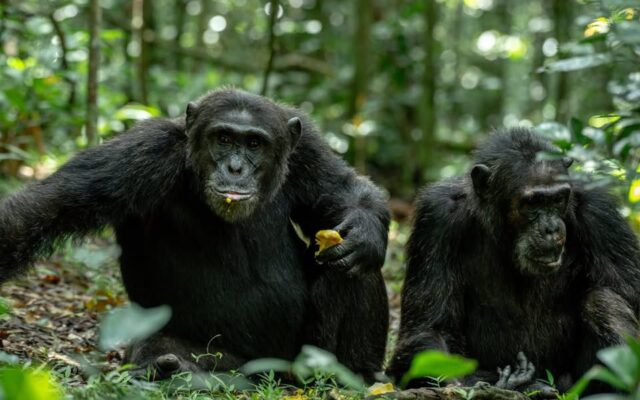
Lowland forest treks following chimpanzee trackers pass through habitat rich in hornbills, turacos, tinkerbirds, and mixed-species flocks. Steep terrain and dense canopy challenge photography. Lakeshore walks add fish eagles, kingfishers, swallows, and waders. Snorkelling breaks can include watching birds from camp beaches with mountain backdrops unique among Tanzania parks.
Altitudinal diversity
Mahale's range from lake level to 2,462 metres creates species turnover absent from flat lakeshore parks. Ambitious hikers toward Nkungwe encounter montane forest birds including species less common on standard chimp trails. Multi-day summit treks require separate planning through TANAPA and operators.
Seasonal patterns
Dry season (May–October): Firm trails, active forest birds, pleasant lakeshore mornings — aligns with peak chimp trekking.
Wet season (November–April): Lush vegetation, breeding activity, dramatic storms over the lake, fewer visitors. Rain interrupts morning sessions but forest birds remain vocal between showers.
Palearctic migrants supplement residents between October and March, though Mahale's forest focus differs from open-country migrant spectacles at Serengeti National Park.
Birding alongside chimp trekking
Request guides who note birds during treks — hornbill calls and eagle nests are commonly pointed out. Dedicated birders should schedule non-chimp mornings for forest walks and communicate target species in advance. Lodge naturalists at Greystoke Mahale and similar camps often maintain local species lists.
Comparison with Gombe and Kibale
Gombe offers 200+ species including tame Peter's twinspots in a compact park. Uganda's Kibale National Park holds Albertine Rift endemics Mahale lacks. Mahale's advantage is altitudinal range combined with lakeshore waterbirds — a birding context tied to Africa's most scenic chimpanzee destination.
Continue planning Mahale Mountains National Park with wildlife, best time to visit, and getting there, or read the main Mahale Mountains National Park destination guide.