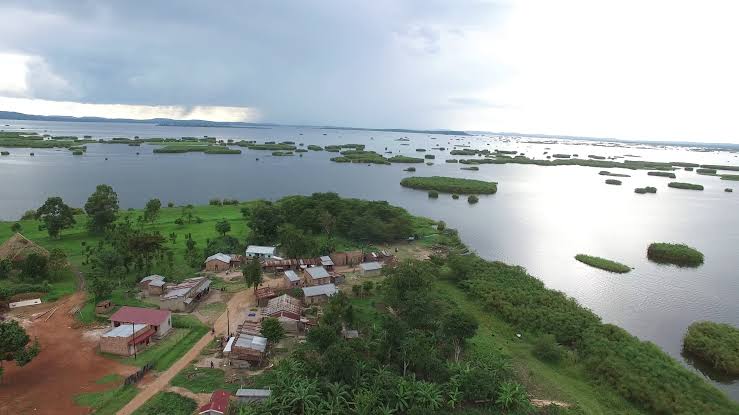
Wildlife and lake ecology at Lake Wamala
Lake Wamala is not a national park in the classic sense. You will not find elephant herds or lion prides on the shoreline. Instead, the wildlife experience is intimate: reed margins, shallow pools, fish rippling near dugout canoes, kingfishers on stakes, and — with patience — the daily rhythm of a central Uganda fishing lake. That narrower focus is exactly why the site works so well as a half-day or full-day add-on from Kampala before a longer drive toward Masaka, Lake Mburo, or western savannah and forest parks.
The lake sits in Mityana District in Central Uganda, west of the capital on routes many travelers use toward the southwest. Shallow water, seasonal fluctuation, papyrus beds, islands, and cultivated hillsides create a mosaic that supports birds, fish, amphibians, reptiles, and invertebrates. Papyrus filters water, buffers shoreline communities, supports fisheries, and gives structure to the channels local boatmen know.
Fish, wetlands, and the working lake
The ecological heart of Lake Wamala wildlife is the relationship between water level, fish stocks, and human use. Tilapia and other species sustain fishing families whose nets and dugouts are part of the morning scenery. Wetland edges hold mudfish, frogs, and aquatic plants that feed herons, kingfishers, and smaller predators. When you watch fishermen poling between reed beds, you are seeing a working landscape — not a manicured nature reserve isolated from local economy.
That overlap creates both opportunity and pressure. Community-based tourism and guided lake visits can reinforce the value of intact wetlands and respectful birding when income reaches landing villages. Visitors who expect a silent wilderness may be surprised by voices, radios, and boat traffic; approaching Wamala with that realism makes the experience richer, because you see how Uganda's biodiversity persists on lakes that remain central to daily life.
Birds, reptiles, and smaller life
Large mammals are not the draw. With luck and local knowledge, wetland-adapted species may occur in suitable habitat, but most visitors will remember monitor lizards on mud banks, frogs calling from reeds, fish eagles overhead, and butterflies along garden margins. Lake birds and papyrus specialists are the headline natural-history story — comparable in spirit to Mabamba Swamp birding, though Wamala trades Ramsar signage for quieter village access and stronger Buganda cultural context.
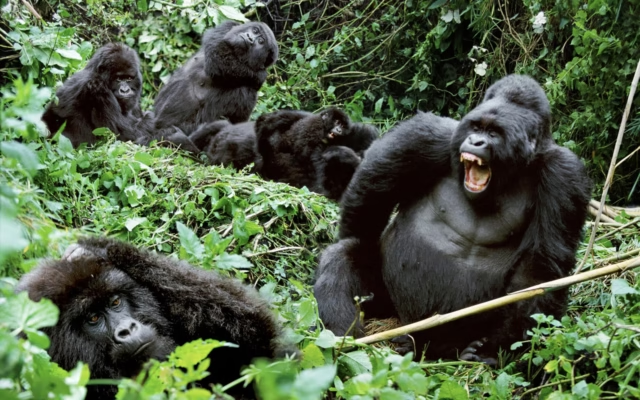
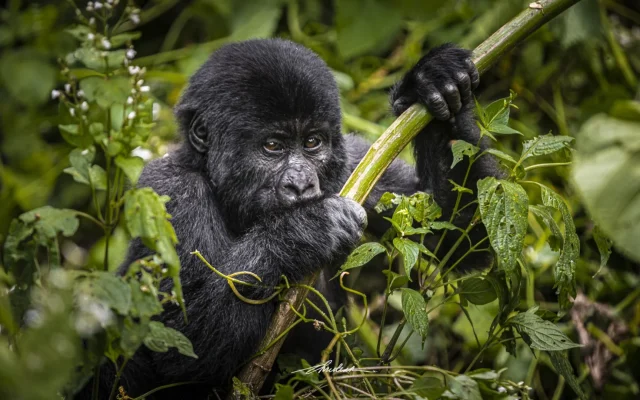
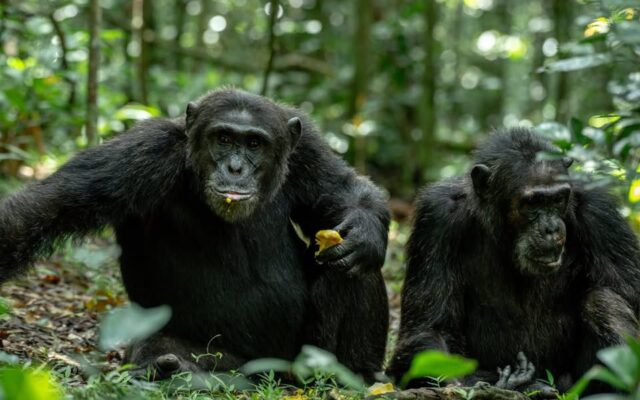
Compared with Kibale Forest chimpanzee forests or Bwindi mountain gorilla habitat, Wamala offers a completely different scale of encounter — less adrenaline, more patience, more reading of water, reeds, and fishing rhythm. Photographers often value that slowness: canoes against morning mist, papyrus against low sun, and the sudden movement when a guide signals a kingfisher or heron ahead.
Islands, stories, and cultural landscape
Lake Wamala is woven into Buganda oral tradition and regional identity in ways that distinguish it from anonymous roadside lakes. Local guides and elders may share stories linking the lake to kingdom history, island names, and community memory — context that transforms a nature stop into a cultural visit. Ask respectfully, use a guide for interpretation, and avoid treating villages as open-air museums without invitation.
Islands and shoreline settlements add human texture to wildlife viewing. Children may watch from jetties, women wash at designated points, and market days in nearby towns such as Mityana or along routes toward Masaka supply the trip with food and fuel stops. Combining ecological interest with cultural courtesy is part of responsible travel here.
Seasonal change and conservation reality
Water levels, papyrus harvesting, grazing, runoff from farmland, and seasonal rain all change what is visible week to week. A bay that held open water in drier months may feel tighter when reeds grow thick. Guides adapt routes accordingly. That variability is normal for shallow central Uganda lakes — and it is why repeat visits can feel different even on the same itinerary.
Conservation pressure includes fishing intensity, wetland drainage, invasive vegetation, and shoreline development. Tourism helps when it employs local guides and boat operators who know the lake best. Ethical viewing — low voices on the water, no litter, respectful distance around birds — protects breeding areas and keeps Wamala viable for the next traveler.
How Lake Wamala fits a wider Uganda safari
Most itineraries treat Wamala as a specialist stop: high-value lake ecology and culture on the Kampala–southwest corridor, not a multi-night wildlife destination. It pairs naturally with Katonga Wildlife Reserve for wetland contrast, Bigo Bya Mugenyi for archaeological and cultural depth, and Mabira Forest Reserve for forest habitat on the same regional arc. Before longer drives to gorilla or savannah parks, it gives an immediate introduction to Uganda's inland freshwater ecosystems.
For deeper planning, see our guides on Lake Wamala bird watching, best time to visit, and getting there from Kampala — each covers a different angle of the same lake visit.