Bird watching at Lake Wamala
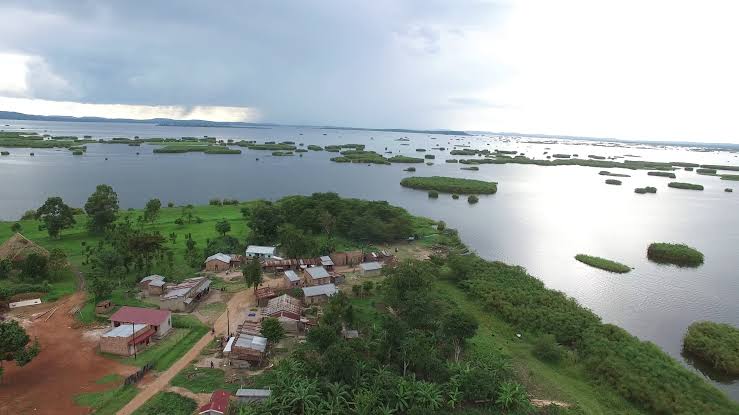
If your Uganda itinerary already includes Mabamba Swamp or Lutembe Bay Wetland on the Lake Victoria arc, Lake Wamala offers a different central Uganda chapter: a shallow freshwater lake in Mityana District where wetlands, islands, cultivated margins, and fishing villages create varied birding habitat without the airport-day rush. Serious listers treat it as a half-day or full-day birding extension west of Kampala, not a five-minute roadside pause.
The lake is not marketed like a Ramsar checklist site, yet repeat visitors report rewarding mornings for wetland specialists, open-water birds, raptors over farmland, and seasonal migrants when water levels and papyrus edges cooperate. Local guides who fish and bird the same channels often know stakeouts that maps alone cannot reveal.
Lake-edge and open-water species
Bird watching at Lake Wamala typically begins along the shoreline and in small boats where guides pole between reed beds and open pools. Commonly recorded groups include African jacana, malachite and pied kingfishers, African fish eagle, purple heron, black-headed heron, long-tailed cormorant, white-breasted cormorant, and various egrets working the shallows. Gulls and terns may appear when conditions suit, and swallow species often feed low over the water in active mornings.
Scanning from a village landing or a hired canoe gives two different lists. Shoreline walks add weavers, sunbirds, bishops, and finches in gardens and cassava margins; on the water you concentrate on herons, rails, crakes, and kingfishers. A guide who reads both zones adds more value than a quick drive to a single viewpoint.
Papyrus, wetlands, and specialist targets
Papyrus fringes and associated wetlands are the main reason birders route through Wamala on central Uganda birding circuits. Species sought in similar habitat elsewhere in the region — including papyrus gonolek, papyrus yellow warbler, swamp flycatcher, and various warblers — may occur when reed beds are intact. Exact day lists depend on water level, grazing pressure, burning cycles, and how much time you spend working edges after the obvious lake birds.
Occasional reports of shoebill in the wider Lake Wamala system circulate among local birders, though Wamala is not marketed as a primary shoebill site the way Mabamba is. Treat any shoebill search here as a bonus possibility with skilled local knowledge, not a guaranteed tick. Most visitors come for broader wetland and lake-edge diversity in a quieter setting.
When and how to bird Lake Wamala
Morning is the best time for Lake Wamala birding. Temperatures are cooler, fishermen are active, birds feed along margins, and light is softer for photography. If you are continuing the same day toward Masaka, Lake Mburo, or forest sites such as Mabira Forest Reserve, plan an early lakeside start rather than an afternoon afterthought when heat and wind reduce activity.
Year-round birding is possible because many residents use the lake continuously. Migratory interest often strengthens from roughly October to March, when Palearctic visitors supplement resident lists — especially rewarding if you combine Wamala with Katonga Wildlife Reserve or other central wetlands on a specialist itinerary.
Gear, pacing, and guide choice
Bring 8×42 binoculars as a practical default for shoreline and canoe birding. A Uganda field guide or eBird checklist helps between sightings. Telephoto lenses suit kingfishers, herons, and fishing-boat scenes, but avoid pressuring guides to approach nesting areas too closely. Pack a rain jacket, sun protection, drinking water, and a dry bag — splash and showers are normal on lake mornings.
Move slowly, listen for papyrus calls, and let your guide set the pace. Rushing rarely adds species. Casual visitors still enjoy colorful common birds; expert birders should book enough time to work wetland edges properly after the main open-water loop.
Building a central Uganda birding day
Lake Wamala pairs naturally with Mabira Forest Reserve for mid-elevation forest birds on a two-day central circuit — forest in the morning, lake margins the next day, or the reverse depending on traffic from Kampala. Mpanga Forest adds another accessible forest option closer to the capital. Longer western routes often continue to Lake Mburo savannah wetlands or Bwindi forests; Wamala is a logical quiet-lake opening chapter before those longer drives.
Combining Wamala with Mabamba Swamp on a multi-day central Uganda birding safari is a strong pairing: Victoria Ramsar wetlands plus an inland lake with different village rhythm and Buganda cultural context. See also our Lake Wamala wildlife and ecology notes, best time to visit, and access from Kampala pages for route and season planning.