How to get to Lake Wamala
Most Uganda safaris begin in or pass through Kampala. From there, Lake Wamala in Mityana District is a natural central Uganda stop — which is why birders and cultural travelers schedule it on day trips west, as a route break toward Masaka, or as part of a longer arc linking Mabira Forest Reserve, Katonga Wildlife Reserve, and Lake Mburo. The journey is not complicated, but it is not a single highway exit either: you need a vehicle to the landing area, then often a local canoe or boat with a guide.
From Kampala
From Kampala, travelers typically reach Lake Wamala by road west through the Mityana corridor — one of the logical routes toward the southwest. Drive time varies with traffic, road surface, and whether you depart from the city centre or an outer suburb — allow roughly one and a half to two and a half hours to shoreline landing areas in normal conditions, plus the lake activity itself.
Organized tours usually coordinate vehicle, guide, boat hire, and community fees in one plan, which saves negotiation time for visitors on tight schedules. Independent travelers with a rental car can reach the general landing area, then hire a local boat and guide on site — workable for experienced visitors who know the current access point and carry cash for community services.
Staying overnight in Kampala or a western suburb is practical for day trips. For a relaxed birding morning, avoid scheduling back-to-back city meetings before departure — Kampala traffic is the main variable that consumes your lake window.
From Masaka and the southwest corridor
Travelers approaching from Masaka or returning from Lake Mburo may reach Wamala as a northbound or eastbound extension when routing permits. Drive times depend on which landing you use and road conditions; confirm the active access point with a local guide rather than relying on outdated maps.
Wamala works well as a cultural and nature pause between savannah parks and the capital — quieter than squeezing another heavy activity into Kampala traffic on the final safari day. Pair with Bigo Bya Mugenyi if your route already includes ancient earthworks in the region.
Self-drive vs guided tour
Self-drive is possible for visitors comfortable with Ugandan road etiquette and variable track conditions. First-time visitors, photographers on tight timelines, and birders targeting specific species usually prefer a pre-arranged guided tour from Kampala or Masaka.
Guided arrangements help with timing, language, cultural etiquette briefing, and matching your interest level — casual scenic visit versus serious list-building. They also reduce the risk of arriving after the best morning window or struggling to locate the active landing when water levels shift channels.
What the final leg looks like
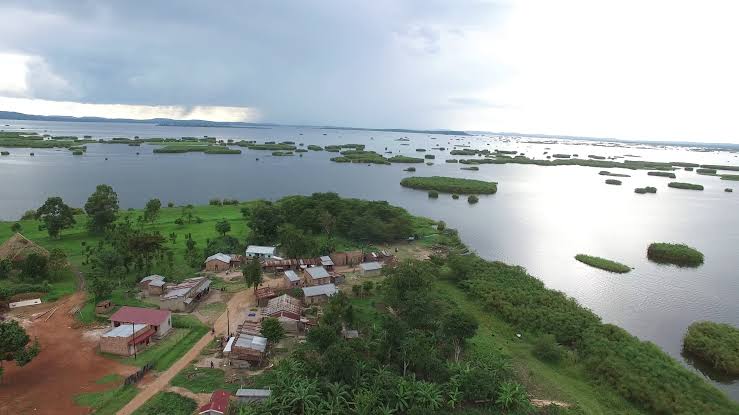
The signature Lake Wamala experience is often a canoe or small boat between reed beds and open water, sometimes combined with shoreline walks. Life jackets should be used when provided. Keep electronics in a dry bag, wear shoes that can get wet at boarding, and follow boatmen on seating and balance. The last leg is slow by design — rushing defeats the purpose of the visit.
Road conditions on local tracks can deteriorate in rainy weeks. A high-clearance vehicle helps; organized safaris normally include suitable 4×4 transport. After heavy rain, allow extra time and confirm access with your operator rather than assuming the same timing as dry-season trip reports.
Combining transport with other sites
Logical same-day or adjacent-day pairings include Mabira Forest Reserve, Mpanga Forest, Katonga Wildlife Reserve, and Mabamba Swamp on multi-day central birding circuits. Each has different timing rules — forest walks work best in early morning, while Wamala is flexible but still morning-biased for birding. Build the itinerary around the fixed activity, not the other way around.
Longer safaris often route Wamala before a drive south toward Masaka and Lake Mburo or before returning east to Kampala. Treat the Wamala morning as a dedicated block; stacking it against an afternoon long transfer rarely works well.
Practical checklist before you go
Confirm pickup time the night before, especially from Kampala. Carry small cash for tips and community boat fees. Share your onward destination with your driver if Wamala is a mid-route stop — traffic toward Masaka or back to the capital needs realistic buffer time.
Seasonal access notes and month-by-month timing are on our Lake Wamala best time to visit page. Species and ecology context sit on wildlife and bird watching.