Wildlife and Nile ecology at Itanda Falls
Most travelers reach Itanda Falls for rapids, photography, or rafting lore — not for a classic Uganda wildlife checklist. Yet the White Nile below Jinja supports a distinct freshwater ecology: fish adapted to turbulent water, kingfishers on rocks, fish eagles overhead, monitor lizards on banks, and occasional otter signs where quieter pools form downstream of the main pour. Understanding that narrower focus prevents disappointment and deepens a half-day that might otherwise feel like a single viewpoint stop.
Itanda sits downstream from Jinja and the Source of the Nile tourism zone — part of the same river story that draws kayakers, rafters, and sunset cruisers, but wilder and less manicured than riverside bars in town.
River habitat and the rapid environment
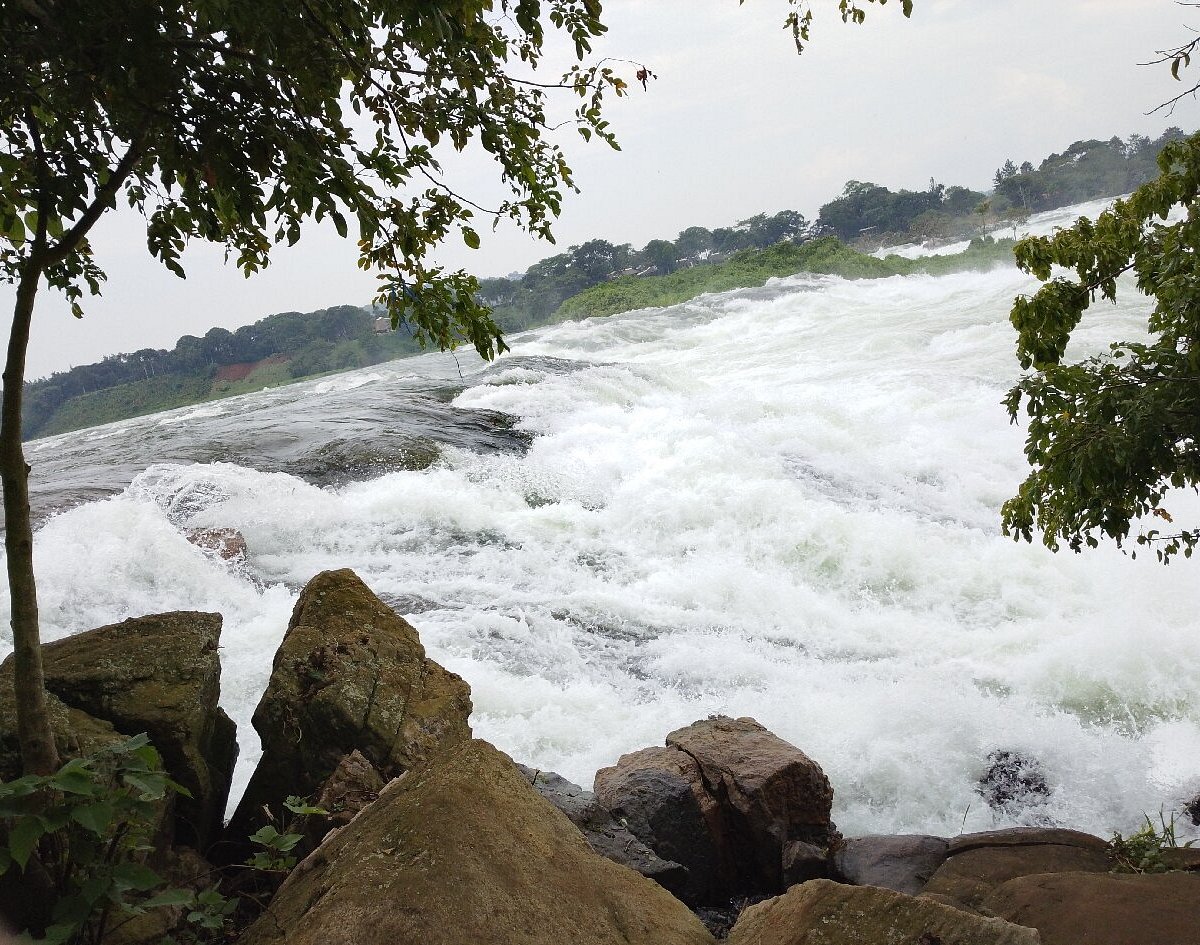
Itanda Falls is not a single waterfall in the Murchison sense — it is a powerful rapid complex where the Nile accelerates through bedrock and channels, producing standing waves, holes, and eddy lines that rafting operators know by name. That hydrology shapes wildlife distribution: species that tolerate or exploit fast water, versus those in calmer side channels and flooded forest margins.
Oxygen-rich rapids support fish communities that in turn attract African fish eagles, pied kingfishers, and other piscivores. You may see fishermen in dugouts where access allows — a reminder that Itanda is a working river, not an enclosed nature reserve. Respect distance from boats and avoid throwing litter into water that feeds downstream communities and Lake Victoria-linked fisheries.
Mammals, reptiles, and smaller life
Large mammals are not the draw. With luck along forested banks you might note vervet monkeys, otter spoor, or monitor lizards sunning on rocks. Hippos occur on some Nile stretches closer to lake influence and quieter bays — confirm current local guidance rather than assuming hippos at the main rapid viewpoint. Compared with Murchison Falls National Park, Itanda offers adventure-scenery ecology at smaller scale — less crocodile density in tourist view, more spray and sound.
Butterflies, dragonflies, and riverside vegetation add texture for photographers between rapid panoramas. Morning light on water often beats harsh midday contrast for both landscape and wildlife detail.
Forested banks and community land
Vegetation along the Jinja–Itanda corridor mixes cultivation, woodland patches, and riverine trees stabilizing banks. Small-scale agriculture and village footpaths intersect viewing routes — approach as a shared landscape where children, farmers, and guides coexist with tourism. Community viewpoints and access arrangements can change; use local guides who know current paths and safety zones around the rapids.
Unlike Bwindi forest trails, Itanda's nature is open, loud, and water-dominated. Visitors who expect silent wilderness may be surprised by distant music, boats, and weekend adventure traffic. Realistic expectations make the river's power more impressive, not less.
Adventure tourism and ecological pressure
Rafting and kayaking history at Itanda and nearby Bujagali put the Nile on global adventure maps. Tourism income supports lodges and guides in Jinja, but concentrated foot traffic, bank erosion, and litter require responsible behavior. Stay on designated viewpoints, follow guide instructions near slippery rocks, and never enter whitewater without qualified outfitters.
Water levels shift seasonally — higher flow in rainy months changes rapid character and which wildlife uses eddy margins. Guides adapt routes; that variability is normal for a free-flowing river reach before dam influences farther downstream.
Responsible viewing
Wear grippy footwear, keep distance from cliff edges and unsecured banks, and follow local safety briefings. Do not harass birds for photographs; fish eagles are sensitive to repeated approach. Pack out all waste — micro-trash washes directly into Nile fisheries. Hiring local guides supports people who understand both rapids and community access politics.
How Itanda fits a wider Uganda safari
Most itineraries treat Itanda as a Jinja adventure extension: half-day from town, often combined with Source of the Nile sightseeing, Bujagali history, or rafting bookings. It pairs with Mabira Forest for a eastern nature arc, or with Sezibwa Falls for cultural water sites — before long drives to Mount Elgon or western parks.
For planning detail see our Itanda Falls bird watching, best time to visit, and getting there guides.