Best time to visit Itanda Falls
Unlike gorilla permits, Itanda Falls has no booking lottery — but it has hydrology. The White Nile below Jinja responds to Lake Victoria outflow, local rain, and seasonal dam operations farther upstream. Planning questions should include: Are you here for rafting-grade volume or calmer viewpoint access? Do you need morning light for photography? And will weekend adventure traffic crowd parking and paths?
Time of day: mornings for views, afternoons for adventure
For photography and birding at Itanda viewpoints, morning wins — softer light on spray, cooler temperatures on exposed banks, and fewer large groups. Many travelers raft or kayak from Jinja in late morning or afternoon, treating Itanda as a dawn scenic stop first.
Sunset returns are possible where safe access allows — dramatic colour on water — but respect closing times, slippery rocks after spray, and drive back to town in dusk traffic if staying at Jinja lodges.
Dry season vs rainy season
Uganda's broadly drier windows — roughly June to September and December to February — often simplify road access from Jinja and riverside footpaths. River levels may be moderately strong without peak flood character — useful for mixed itinerary days combining Source of the Nile cruises and Mabira Forest walks.
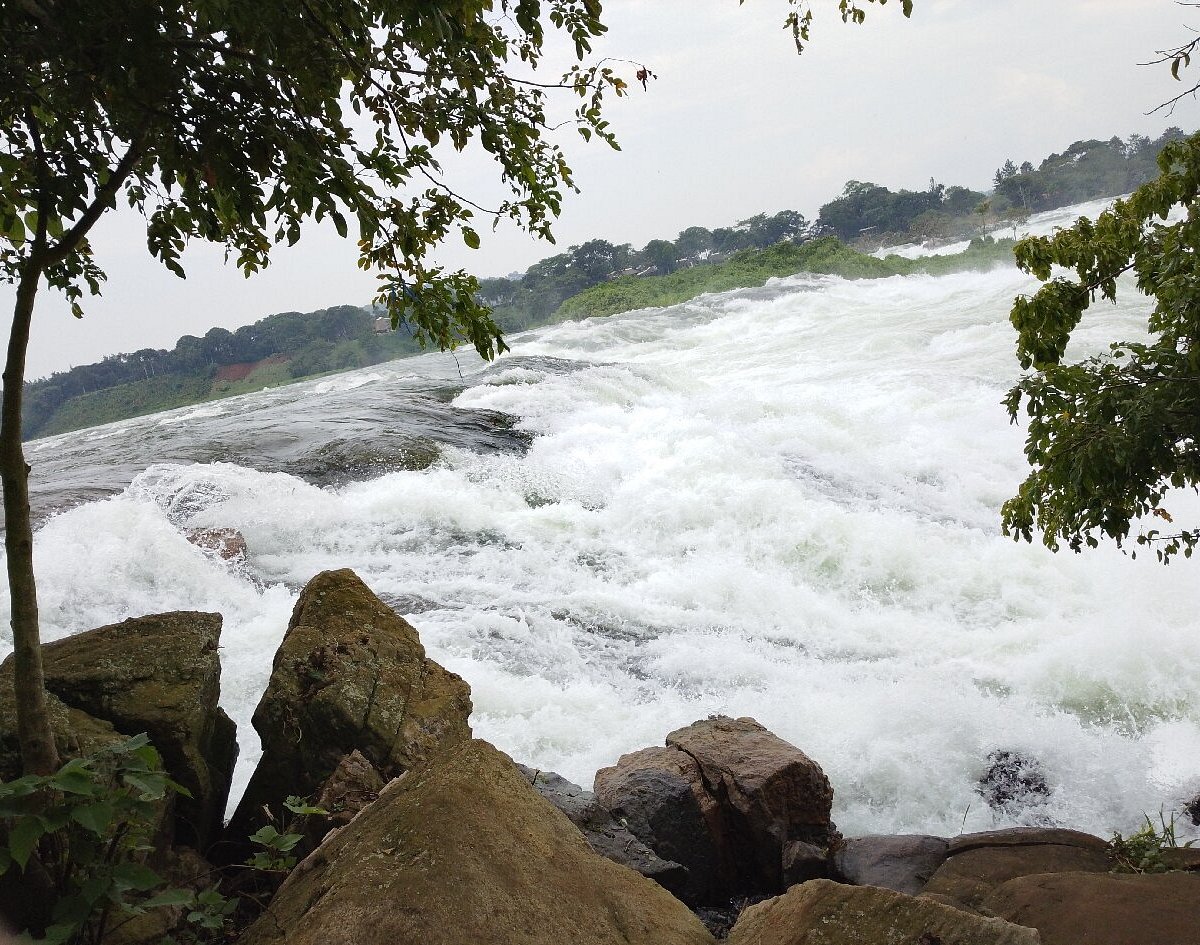
Rainy periods centered on March to May and October to November can raise Nile volume — spectacular rapid power, more spray, and historically stronger rafting conditions when operators run full routes. Trade-offs include slick banks, interrupted viewpoints during downpours, and occasional activity pauses for safety. Green scenery and fewer tourists at midweek times reward flexible planners.
Adventure calendar and Jinja weekends
Jinja fills on Ugandan weekends and public holidays with Kampala escape traffic — rafting queues, restaurant waits, and busier Itanda viewpoints Saturday–Sunday. Weekday visits feel quieter at rapids if your itinerary allows. International adventure peaks (northern summer, Christmas) raise lodge rates; book Jinja accommodation and rafting slots early.
Rafting operators adjust routes by water level — high water may mean certain rapids off-limits while others intensify. Confirm seasonal offerings rather than assuming year-round identical grades.
Combining Itanda with eastern Uganda routes
Itanda fits naturally on Kampala–Jinja long weekends and on overland legs toward Mount Elgon, Mbale, or Sipi Falls. Dry months simplify multi-stop eastern loops; rainy months prioritize Jinja town activities when afternoon storms hit forest trails elsewhere.
Travelers chaining Itanda with Sezibwa Falls or Busowoko Falls should compare seasonal road conditions on murram sections — tarmac to Jinja is reliable; side falls may be muddier after rain.
First day east or mid-adventure stop?
Itanda suits both — a day-two highlight after Source of the Nile sightseeing, or a final adrenaline scenery stop before returning to Kampala. Same-day Kampala–Itanda–Kampala is possible with early departure but rushed; overnight Jinja improves pacing.
Month-by-month snapshot
January–February: Often drier, strong light, popular rafting and photography window.
March–May: Rainier, higher flows possible; pack rain gear; flexible afternoon plans.
June–August: Peak travel season; book Jinja lodges and rafting; excellent access.
September: Transition — still workable; watch for early rains.
October–November: Second rainy peak; dramatic water, slick banks.
December: Holiday weekend crowds from Kampala; start early at viewpoints.
Pair with wildlife, bird watching, and getting there for ecology and access detail.
Photography seasons vs adventure seasons
Photographers often prefer dry-season mornings when spray patterns are predictable and banks are accessible — not always the same weeks kayakers want maximum volume. If your priority is frame-filling whitewater, confirm with Jinja outfitters whether current flows match reference images from social media. Overcast rainy-season skies can soften contrast on white water when viewpoints stay open — trade slick paths for atmospheric shots.
International school holidays and Ugandan election or festival weekends occasionally shift local traffic patterns; ask operators about atypical congestion even in otherwise quiet months.