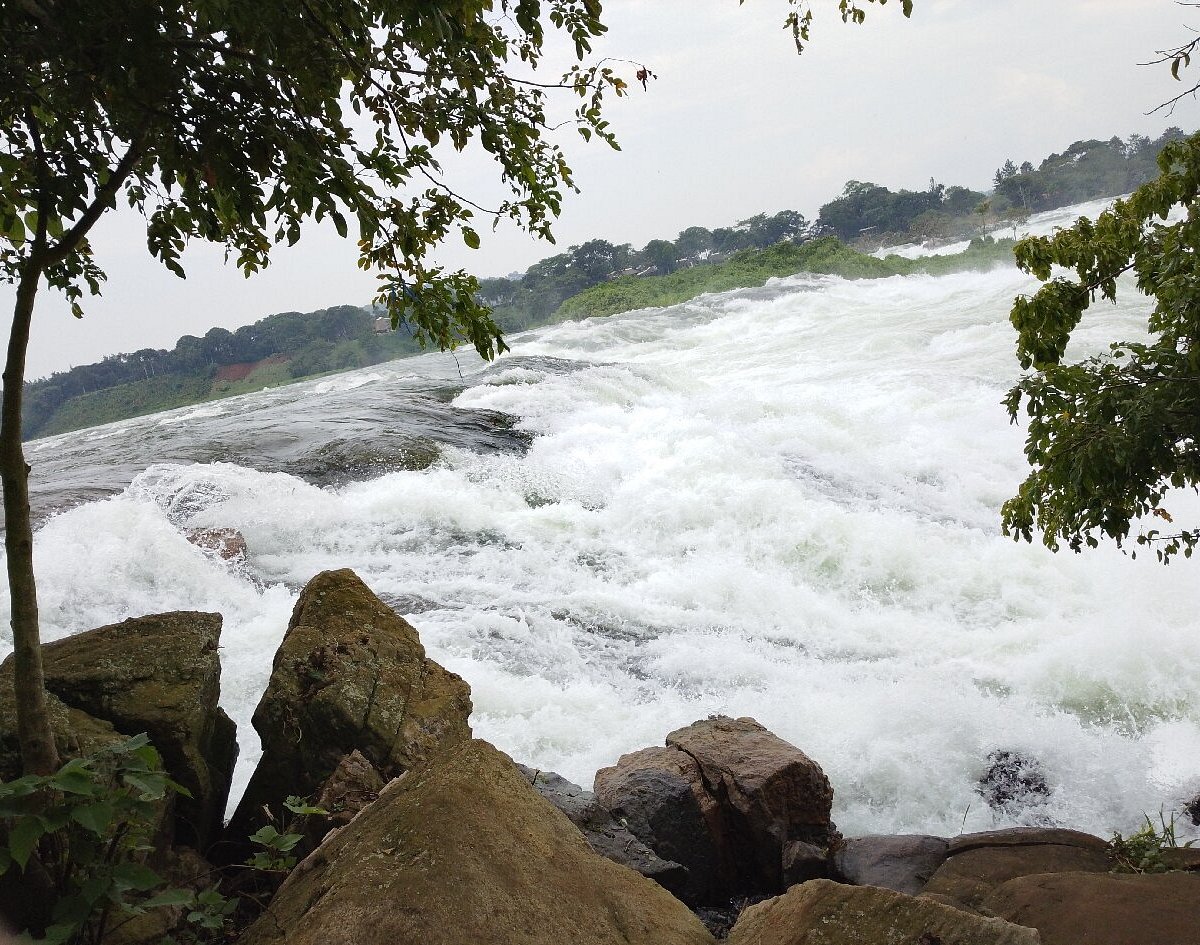
How to get to Itanda Falls
Nearly every Itanda Falls visit starts from Jinja — Uganda's adventure capital on the White Nile. International travelers usually reach Jinja first via Kampala or Entebbe, then dedicate a half-day to Itanda viewpoints, photography, and rapids orientation, often alongside rafting bookings or Source of the Nile sightseeing.
From Jinja town
From central Jinja, Itanda lies downstream along Nile-side routes — typically thirty to fifty minutes by car depending on start point, road choice, and stops. Local drivers and adventure operators know current viewpoint parking and community fee arrangements; independent travelers should confirm access points because paths evolve with erosion and landowner agreements.
Some visits combine boat perspectives with bank viewpoints — useful when road access is muddy after rain. Rafting companies may pass Itanda on certain routes; ask whether your paddling day includes named rapid viewing or separate land transfers.
From Kampala
Day trips from Kampala are popular: roughly two to three hours to Jinja under normal traffic, plus thirty to fifty minutes to Itanda. Early departure is essential — shoehorning Kampala–Itanda–Kampala into a single afternoon leaves little margin for rapids photography or safety briefings. Overnight Jinja stays improve pacing for dawn viewpoints and next-day adventure activities.
Friday afternoon and Sunday evening traffic on the Kampala–Jinja highway can add unpredictable delay; safari planners often schedule Itanda mid-week or Saturday morning outbound before Kampala leisure traffic peaks return.
From Entebbe and the airport
Entebbe-to-Itanda via Kampala is roughly three to four hours one way — viable for dedicated adventure days but rarely sensible immediately after long-haul flights. Many itineraries place Jinja after a Kampala night, then Itanda on day two before continuing east toward Mount Elgon or returning west.
Guided tours vs self-drive
Organized Jinja adventure packages commonly bundle transport, rafting, and Itanda stops — simplest for first-time visitors. Self-drivers with rental cars can reach Jinja on tarmac easily; Itanda's final approaches may include narrower village roads where local knowledge helps after rains.
Motorcycle taxis and informal transport exist but are poor choices for camera gear and unfamiliar rapids access — use reputable operators or safari vehicles with experienced drivers.
Combining transport with nearby sites
Logical same-day pairings: Itanda plus Source of the Nile; Itanda plus Bujagali heritage stop; Itanda plus afternoon rafting. Longer eastern loops add Sezibwa Falls, Mabira Forest, or overnight runs toward Sipi Falls via Mbale.
Treat Itanda as a Nile corridor activity, not a through-stop to western gorilla parks — Kabale and Bwindi lie on separate multi-day routes unless you are on a full-country itinerary.
Shared transport and parking at viewpoints
Independent travelers sometimes reach Itanda via shared taxis or boda stages from Jinja town — workable for budget day trippers but awkward with camera gear and spray-sensitive electronics. Organized tours and rafting shuttles remain the smoother option for first visits. Parking at community viewpoints is informal — arrive early on peak weekends to avoid walking long distances from overflow areas along Nile-side tracks.
Drivers unfamiliar with Itanda should follow local guidance rather than map pins alone; access paths change when banks erode or landowners adjust agreements. Confirm return pickup points before descending to rapids — mobile signal can be patchy at certain banks.
Return timing and multi-activity days
When stacking Itanda with Source of the Nile cruises or afternoon rafting, agree rendezvous times with drivers before leaving Jinja — Nile-side delays from photography or safety briefings are common. Same-day Kampala loops should build ninety-minute buffers on the return highway; Friday evening congestion toward Kampala has stranded travelers who treated Itanda as a quick add-on.
Practical checklist
Wear grippy shoes, pack rain protection for spray, secure cameras, and carry cash for community fees or tips. Confirm mobile coverage — useful for coordinating rafting meet points. Share return timing with drivers if combining multiple Jinja activities. Seasonal notes sit on best time to visit; ecology on wildlife and bird watching.