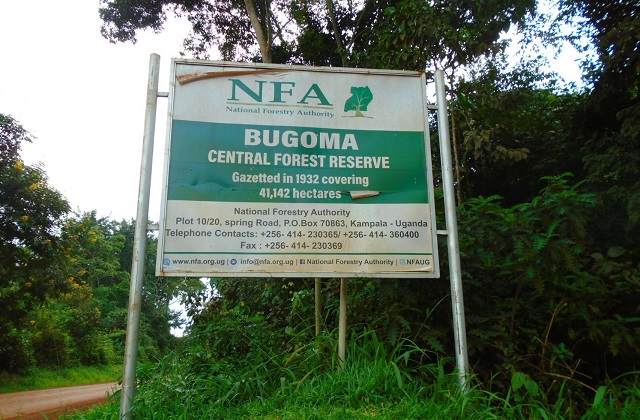
Bugoma Forest Reserve — questions travelers ask before booking
Bugoma Forest Reserve is a tropical forest block on Uganda's Hoima–Lake Albert corridor, valued for chimpanzees, the endemic Uganda mangabey, forest birds, and conservation importance beside Albertine Rift development pressure. It is not a full-service national park — expect guided forest walks, thinner infrastructure, and route-specific planning from Hoima.
The site works best as a purposeful extension on western Uganda safaris toward Murchison Falls National Park — paired with Bugungu Wildlife Reserve or Lake Albert viewpoints when routing allows.
Wildlife, access, and expectations
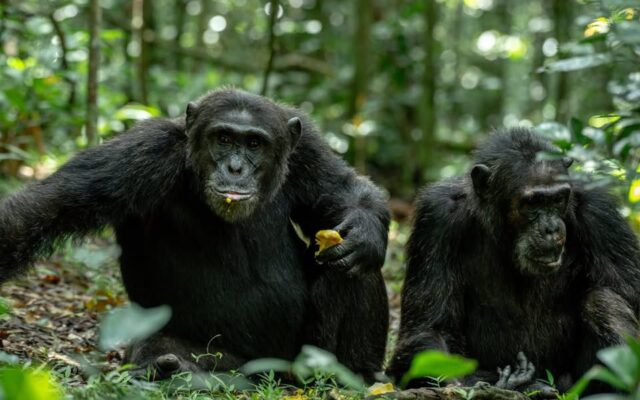
Bugoma holds real forest biodiversity — chimps, mangabeys, colobus, hornbills, and Albertine-influenced species — but tourism is less standardized than at Kibale or Budongo Forest. Confirm guided access and trail status before travel. Honest operators explain what is realistic on a half-day Hoima routing versus a multi-night primate-focused stay elsewhere.
Uganda mangabeys are a genuine draw — endemic to western Uganda and closely associated with forests including Bugoma. They are not guaranteed on every walk, but knowledgeable guides improve encounter quality significantly.
Time, cost, and itinerary fit
Most visitors allow a half day for Bugoma including travel from Hoima and forest walking time. Same-day Bugoma plus Paraa arrival is possible only with early starts and confirmed guiding — many travelers prefer an Hoima overnight or Murchison lodge night before/after.
Bugoma adds depth to Albertine and Murchison routes; it rarely replaces headline parks on a first Uganda safari. Costs are typically community and guide fees rather than high permit prices — confirm current arrangements with reputable operators.
Conservation and responsible travel
Bugoma's public profile includes forest protection debates — understanding that context enriches the visit. Stay on authorized trails, use local guides, ask before photographing communities near forest edges, and avoid litter or off-trail damage in regenerating habitat.
Supporting authorized guiding channels income toward communities that steward forest access — a practical conservation outcome from tourism done respectfully.
Comparisons travelers ask about
Bugoma versus Kibale: Kibale wins on chimp infrastructure; Bugoma wins on Albertine corridor context and mangabeys. Bugoma versus Budongo: Budongo sits on the Kampala–Murchison road with established chimp tourism; Bugoma suits Hoima–Lake Albert routing. Bugoma versus Kabwoya Wildlife Reserve: Kabwoya is escarpment savannah; Bugoma is forest — complementary on the same western week.
Packing, health, and practical logistics
Forest trails may be muddy year-round — sturdy waterproof footwear outperforms fashion trainers. Yellow fever vaccination and malaria precautions apply on western Uganda routes as elsewhere. Carry cash for community fees where card terminals are absent. Mobile coverage is patchy on some approach roads — share itinerary details with your Hoima or Murchison lodge before entering forest margins.
Where to read next
Species and ecology: Bugoma wildlife.
Forest birding: Bugoma bird watching.
Seasons: best time for Bugoma.
Hoima access: how to get to Bugoma.
The main Bugoma Forest Reserve destination guide covers hub overview and nearby combinations.