Weather & climate at Amabere Caves & Fort Portal Crater Lakes
Amabere Caves & Fort Portal Crater Lakes sit in western Uganda's Tooro highlands, where elevation, forest influence, and Rift Valley weather systems produce a milder, wetter feel than lowland savannah parks such as Queen Elizabeth National Park or Murchison Falls National Park. Fort Portal town lies roughly 1,500 metres above sea level; Nyakasura hill routes around Amabere can feel cooler still, especially in early morning or after rain. Travelers often notice the contrast immediately when arriving from hot Kasese corridor drives or long transfers from Kampala.
Year-round patterns: two rains, two drier windows
Uganda broadly follows two rainy seasons and two relatively drier periods. Long rains typically peak around March to May; shorter rains often appear October to November, though year-to-year variation is normal. Drier windows commonly run June through September and December through February. At Amabere, these patterns translate into practical trail conditions rather than abstract calendar labels: wet months mean lusher waterfall flow and atmospheric cave mist, but also slick rock on cave approaches and steeper crater-lake paths.
Drier months usually simplify walking, photography of distant Rwenzori Mountains views, and combined drives toward Kibale National Park or Semuliki National Park. Even in drier windows, brief afternoon showers remain possible — Fort Portal's hill climate is not arid.
Temperature and what it feels like on site
Daytime temperatures around Fort Portal are often pleasant — warm in sun on open crater rims, cool in shaded cave margins. Nights at crater-lake lodges can feel noticeably cooler than Entebbe or Kampala. For the Amabere half-day, layers work better than a single heavy jacket: light fleece or long sleeves for morning starts, breathable shirt for hill sections, and a rain shell in shoulder or wet months.
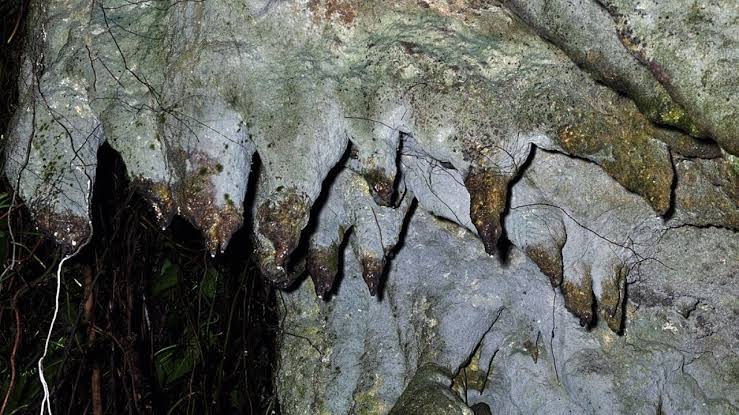
The cave and waterfall microclimate stays damp year-round. Humidity supports moss, ferns, and amphibian activity; travelers sensitive to chill should not underestimate shaded rock sections even when Fort Portal town feels mild.
Rain, mist, and crater-lake visibility
Crater-lake viewpoints above Lake Saka, Lake Kigere, and neighbouring bowls depend on visibility as much as fitness. Clear dry-season mornings often deliver the strongest panoramas over farms and volcanic depressions; rainy-period mist can obscure lake surfaces but create moody photography and dramatic waterfall scenes at the cave. Neither is wrong — but itineraries built around a specific viewpoint photo should build flexible timing and accept that hill fog may require patience or a return attempt from a Fort Portal crater-lake lodge base.
Seasonal effects on paths and footwear
Trail safety at Amabere is closely tied to weather. Wet rock near the waterfall and cave entrance is the main hazard; crater-lake extensions add mud and steep sections after sustained rain. Sturdy shoes with grip matter in every month, not only April or November. Guides may shorten or reroute walks when conditions are unsafe — respect those calls rather than treating rain as a minor inconvenience.
How climate compares across your western Uganda route
Fort Portal weather does not always match what Bwindi Impenetrable National Park or Lake Bunyonyi experience the same week. If your circuit includes Kibale forest treks, Semuliki lowland heat, and Queen Elizabeth savannah warmth, pack for range: rain gear and layers for Amabere and Kibale, lighter clothing for lowland west, and sun protection for open crater rims.
Month-by-month climate snapshot for Amabere planning
January–February: Often among the drier, warmer-feeling months; good walking and viewpoint odds, though local showers still occur.
March–May: Long rains; lush scenery, strong waterfall flow, higher slip risk — allow flexible half-day timing.
June–August: Popular travel season; generally drier trails and clearer crater views when skies cooperate.
September: Transition month; still workable but watch for early rains locally.
October–November: Second rain peak possible; misty lakes, atmospheric caves, plan waterproof layers.
December: Holiday demand around Kibale; morning starts help before afternoon weather builds.
Align visit timing with Kibale permits on our best time to visit page. Access and road conditions: how to get there. On-ground packing and safety: travel tips.