Safety & travel health at Amabere Caves & Fort Portal Crater Lakes
Amabere Caves & Fort Portal Crater Lakes is widely visited by mainstream tourists, families, and Kibale safari extensions without incident when basic precautions are followed. The main risks are practical — slippery stone near the waterfall and cave, steep muddy sections on optional crater-lake walks, and the broader travel-health context of western Uganda (malaria discussion, road travel, hydration) — rather than large-animal encounters or remote backcountry exposure. Treat the visit as a guided cultural walk in highland farm-and-hill country, not as a caving expedition requiring technical equipment.
Trail and cave safety
Local guides are strongly recommended because they know which rock shelves are unsafe in wet conditions, how water flow changes seasonally, and where crater-lake paths become too steep for rushed groups. Wear shoes with grip; sandals and smooth-soled trainers cause most preventable slips. In rainy months, expect slick approaches to the cave mouth and waterfall viewing areas. Follow guide instructions about handholds, photography positions, and turnaround points on hill routes.
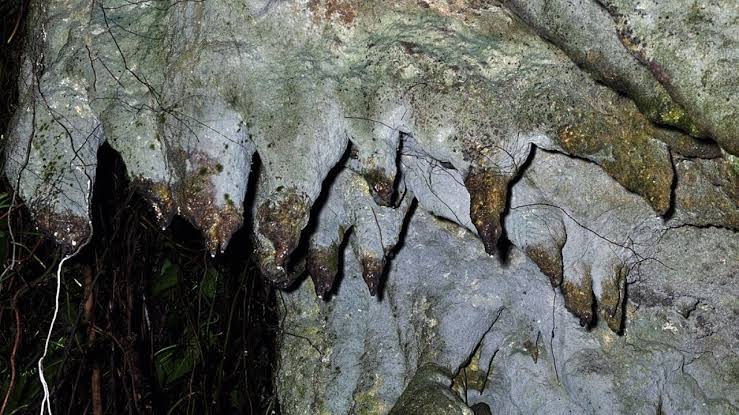
The cave environment is shallow and visitor-oriented — not a deep spelunking system. Still, low light, uneven footing, and dripping water require attention. Children can enjoy Amabere with close supervision; carriers or helping hands on steep viewpoint sections are sensible for younger walkers.
Crater-lake walk risk management
Optional extensions toward viewpoints above Lake Saka, Lake Kigere, and neighbouring bowls add elevation and exposure. If rain starts mid-walk, paths may become muddy and viewpoints misty. Guides may shorten routes — accept that decision. Carry drinking water, avoid rushing downhill on wet soil, and tell your guide about knee or balance issues before leaving the vehicle. Trekking poles are optional but useful for some travelers in wet season.
Health preparation for Fort Portal and western Uganda
Consult a travel-health clinic before your trip for advice on routine vaccines, yellow fever certificate requirements if your wider itinerary needs one, and malaria prophylaxis. Fort Portal's highland setting does not eliminate malaria risk for safari travelers moving across western Uganda. Use insect repellent, long sleeves in evening hours, and bed nets where provided at lodges.
Hydration matters on hill walks even when temperatures feel mild. Sun protection helps on open crater rims. Basic first-aid supplies — plasters for blisters, antiseptic, personal medications — belong in your daypack alongside rain gear.
Security and on-the-ground conduct
Fort Portal is a busy regional town with established tourism infrastructure for Kibale National Park. Amabere itself is a community cultural site; respectful behaviour supports positive visitor experiences. Ask before photographing local people working near the site. Keep valuables secured in vehicles with drivers present, as you would elsewhere on a Uganda safari.
Use reputable tour operators and licensed drivers for road transfers — especially on routes linking Queen Elizabeth, Kasese, Semuliki, and Kibale. Road conditions vary with weather and maintenance; night driving on unfamiliar tracks is best avoided.
Combining Amabere with Kibale and other park activities
Chimpanzee trekking at Kibale carries its own briefing rules and fitness demands separate from Amabere. Do not stack a long Amabere crater-lake walk on the same day as a strenuous forest trek unless your schedule builds rest. If you feel unwell — fever, severe diarrhoea, or dehydration — postpone hill walks and seek local medical advice in Fort Portal before continuing to remote lodge zones.
Travel insurance with medical evacuation cover is strongly recommended for any Uganda safari, including low-intensity cultural stops. Fort Portal has clinic and pharmacy options; serious cases may require transfer to larger centres.
Responsible tourism and community relations
Amabere carries local meaning through the Nyina Mwiru tradition and community guiding structures. Stay on agreed paths, do not litter in streams or viewpoints, and pay agreed guide and entry fees fairly. Supporting local guides reinforces the value of keeping forest patches and crater margins intact beside growing Fort Portal tourism.
More practical detail: travel tips, best time to visit, and how to get there.