Travel tips for Amabere Caves & Fort Portal Crater Lakes
Most questions about Amabere ga Nyina Mwiru come from travelers already booked for Kibale National Park who want a cultural counterweight without breaking permit timing. The site is manageable, but sloppy planning — underestimating wet rock, skipping the crater-lake extension, or stacking Amabere against an early chimp briefing — is what turns a highlight into a rushed chore. These tips reflect how experienced Fort Portal operators pace the half-day and how independent visitors can match that rhythm.
Allow a true half day
The cave alone can feel quick. The richer experience includes waterfall atmosphere, guide storytelling about Nyina Mwiru and Tooro heritage, and at least one crater-lake viewpoint above lakes such as Lake Saka or Lake Kigere. From Fort Portal or Kibale-area lodges, budget roughly twenty to forty minutes each way plus one to three hours on site. Photographers and slower walkers should aim for the upper end.
Hire a local guide
Guide value at Amabere is interpretation and safety, not access control in the national-park sense. Local guides explain legend alongside geology, choose safer lines on wet rock, and know which hill paths suit your fitness. Confirm whether your hotel excursion includes guiding and community entry fees or whether you pay components separately on arrival.
Footwear and clothing
Wear closed shoes with grip — trail runners or light hikers beat sandals on wet limestone and muddy crater rims. Modest clothing suits a cultural site. Pack a light rain jacket year-round; Fort Portal highland showers appear even in drier months. Sun hat and sunscreen help on open viewpoint sections after shaded cave time.
Cash, fees, and tipping
Carry small Ugandan shilling notes for entry, guiding, or community fees because card acceptance at the site is unlikely. Confirm current amounts with your operator or lodge because community structures can change. Tipping guides is customary when service is good; agree expectations if you book privately rather than through a package.
Photography etiquette
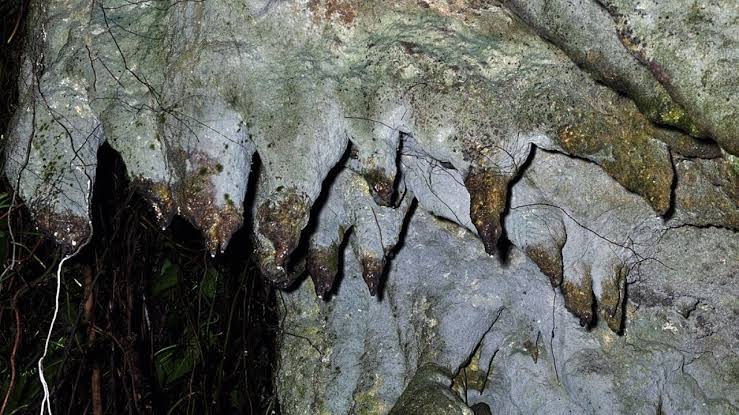
Amabere offers strong contrast scenes — dark cave interiors, bright waterfall spray, green valleys, and crater bowls. Avoid flash if it disturbs others or wildlife at forest edges. Ask before photographing local people working near the site. Protect cameras from mist with a rain sleeve or bag; humidity rises quickly in the cave margin.
Kibale and Queen Elizabeth pacing
If chimpanzee trekking is fixed the same day, treat Amabere as impossible unless your briefing is late and the operator confirms margins. Most travelers visit Amabere on arrival afternoon, a rest day after chimps, or a free morning before Kibale. Transfers toward Queen Elizabeth National Park can include Amabere only when the day is deliberately structured as a Fort Portal cultural stop, not a fuel break.
Combining crater-lake lodges and Amabere
Staying at Lake Nkuruba or Ndali-Kasenda properties adds scenery but increases drive-time math to Kibale briefings. Map your lodge against Kanyanchu or your briefing point the night before. A common pattern: Amabere on arrival day while based in Fort Portal town, then move to a crater-lake lodge after chimps when timing relaxes.
Connectivity and maps
Download offline maps for Fort Portal and Nyakasura approaches before leaving Entebbe or Kampala. Mobile data works in many Fort Portal areas but drops on some hill tracks. Share your half-day plan with your driver so vehicle pickup points after crater-lake loops are clear — some routes do not return to the same carpark.
Respect and responsible travel
Amabere is both a tourism stop and a place of local meaning. Stay on agreed paths, do not litter in streams or viewpoints, and listen when guides frame cultural stories — even when geological explanations differ from legend. That respect keeps community tourism viable beside growing Kibale traffic.
Season detail: best time to visit. Routes: how to get there. Lodging: accommodation. Main hub: Amabere destination guide.