Things to do in Akagera National Park
Akagera National Park is Rwanda's answer to classic East African safari — open plains, acacia woodland, and one of central-eastern Africa's largest protected wetland systems along the Tanzanian border. Managed by African Parks in partnership with the Rwanda Development Board since 2010, the park has transformed from near-collapse into a credible Big Five destination where lions, rhinos, elephants, buffalo, and leopards share habitat with hippos, crocodiles, giraffes, zebras, and more than 500 bird species. Most visitors arrive from Kigali in roughly two hours, making Akagera viable as a standalone wildlife weekend or the savannah leg of a gorilla-and-primate circuit through Volcanoes National Park and Nyungwe National Park.
Game drives — the core Akagera experience
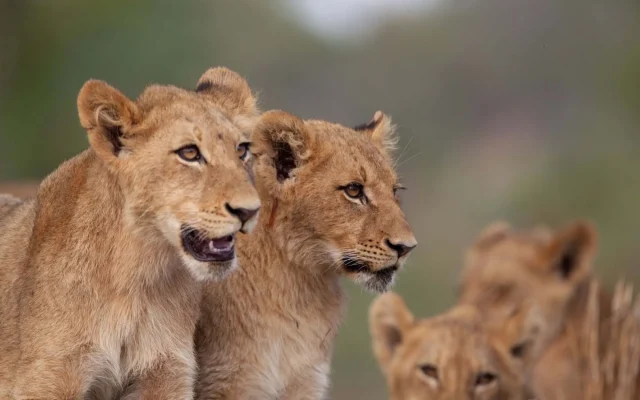
Guided game drives are the defining activity. Morning departures at first light target predators still active on kopjes and grassland edges; afternoon sessions build toward golden-hour photography on open plains. Guides communicate by radio across the savannah network, improving odds on lion and rhino without crowding animals. Wildlife commonly encountered includes elephant, buffalo, giraffe, zebra, topi, impala, waterbuck, and warthog — with lions increasingly regular since reintroduction in 2015 and rhinos monitored daily across northern sectors.
Self-drive is permitted for visitors with suitable high-clearance 4×4 vehicles and valid park registration, though first-time guests usually book guided safaris for navigation, radio coordination, and rhino-zone protocols. Plan two full drive days minimum if cats and rhinos matter — single half-day visits rarely deliver the full Akagera story.
Lake Ihema boat safari
The Lake Ihema boat safari is among the most memorable things to do in eastern Rwanda. While land drives reveal savannah species, the boat shifts perspective to Akagera's aquatic heart — hippos yawning beside the hull, enormous Nile crocodiles on mud banks, pied kingfishers diving, and African fish eagles overhead. Afternoon departures align with softer light and shoreline mammals approaching water at dusk; elephant or buffalo sometimes appear on the fringe while you are still on the water.
Combining a morning game drive with an afternoon boat session is the classic one-day rhythm. On two-night stays, repeat whichever activity missed targets on day one — rhino-focused mornings paired with a second boat trip for papyrus gonolek and waterbirds, for example.
Night drives and nocturnal wildlife
Night drives operate in designated areas through authorized lodges and operators — not every property offers them. Spotlight safaris reveal civets, genets, bushbabies, and occasional predator movement that daytime drives miss. Book lodges with confirmed night-drive access when nocturnal species are priorities; dry-season nights often produce rewarding activity along woodland margins near southern-sector camps.
Bird watching across savannah and papyrus
With more than 500 recorded bird species, Akagera supplies Rwanda birding targets that mountain forests cannot replace. Open plains deliver raptors, bustards, and ground birds from standard vehicles; papyrus channels and Lake Ihema boat tracks access swamp specialists including papyrus gonolek. Serious listers should communicate birding priorities at breakfast — shared vehicles default to mammal pacing unless instructed otherwise. See our dedicated bird watching at Akagera page for habitat strategies.
Behind-the-scenes conservation tours
Optional behind-the-scenes tours reveal how African Parks operates canine anti-poaching units, rhino monitoring, veterinary programs, and community revenue-sharing. Tourism revenue now funds the majority of park operations — visiting Akagera directly supports protection and local livelihoods. Travelers who care where safari dollars go find transparent impact here compared with opaque concession models elsewhere in the region.
Photography safaris
Open visibility, wetland reflections, and recovering megafauna populations create strong portfolio material. Dawn predator searches, midday hippo pods from boats, and sunset plains compositions with giraffe and zebra suit telephoto and mid-zoom setups. Vehicle density remains lower than in Kenya's headline reserves — a genuine advantage for repeat East Africa travelers seeking fresher terrain without queue atmosphere at sightings.
Sample daily pacing for two-night stays
Day 1: Morning transfer from Kigali, lodge check-in, afternoon game drive, sunset boat on Lake Ihema.
Day 2: Dawn drive targeting lions and rhinos, midday rest during heat, optional second boat or night drive.
Day 3: Short morning loop before departure toward Volcanoes, Nyungwe, or Lake Kivu.
Day trippers from Kigali can compress this into a long single day — pre-dawn departure, morning drive, afternoon boat, evening return — but overnight stays inside the park maximize dawn efficiency and evening light.
Combining Akagera with wider Rwanda itineraries
Akagera fits multiple national routing patterns. An Akagera-first loop opens with Big Five savannah while gorilla permits are confirmed for later in the week. A gorilla-first loop places Akagera as a celebratory savannah finale after forest trekking fatigue. A full circuit — Kigali → Akagera → Volcanoes → Nyungwe → Lake Kivu — covers Big Five, gorillas, chimps, and lake scenery in seven to ten days without cross-border complexity.
Wildlife detail: Akagera wildlife. Seasons: best time to visit. Access: getting to Akagera. Main hub: Akagera National Park guide.