Safety and travel health at Akagera National Park
Akagera National Park is one of Rwanda's most professionally managed protected areas — anti-poaching patrols, veterinary monitoring, and tourism infrastructure operate under African Parks and the Rwanda Development Board partnership that has driven the park's remarkable recovery since 2010. Rwanda enjoys a strong national reputation for visitor safety on organized safaris. That said, Akagera is active Big Five country with hippos, crocodiles, lions, and rhinos — not a zoo. Following park rules, guide instructions, and sensible travel-health precautions keeps your visit safe and supports conservation.
Park rules and wildlife distance
Stay on designated tracks at all times — off-road driving damages habitat and is prohibited. Maintain distance from rhinos and predators; never pressure guides to approach closer for photographs. Rhinos occur within intensively monitored zones where ranger coordination shapes drive routes — respect those protocols as part of the conservation story, not as optional inconvenience.
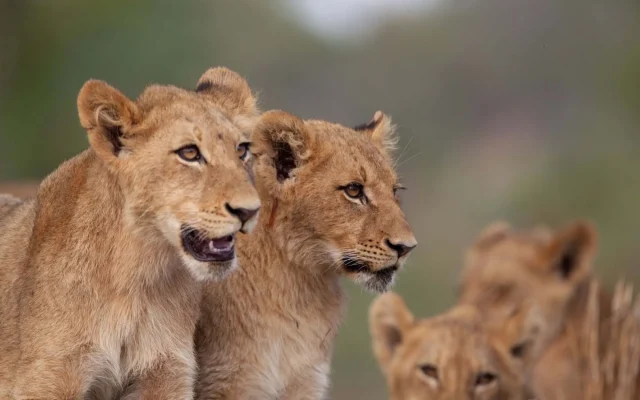
Do not feed wildlife, litter on tracks, or exit vehicles except at designated safe areas. Rwanda's national plastic-bag ban extends to park conduct. Treat the park as an active conservation site where your compliance directly supports species recovery including lions reintroduced in 2015 and rhino populations rebuilt through the 2010s and 2020s.
Boat safari and hippo safety on Lake Ihema
The Lake Ihema boat safari is among Akagera's highlights — hippos surface beside the hull, crocodiles bask on banks, and shoreline mammals sometimes approach at dusk. Hippos are responsible for more human fatalities in Africa than most large mammals; boat guides maintain safe distances and position vessels to avoid blocking hippo escape routes. Follow every instruction from your boat operator — stand when told, stay seated when approaching pods, and never attempt to touch or feed aquatic wildlife.
Life jackets should be available on authorized boats. Choose licensed operators and lodge-arranged departures rather than informal watercraft from outside park systems.
Malaria and travel health
Akagera sits in lowland East Africa where malaria precautions apply — consult your travel clinic before departure for prophylaxis advice tailored to your medical history. Use insect repellent on dawn and dusk drives, sleep under nets where provided, and consider long sleeves for evening boat sessions when mosquitoes are active.
Carry personal medications, basic first-aid supplies, and adequate hydration for hot midday plains. Comprehensive travel insurance covering medical evacuation is sensible for remote safari travel anywhere in the region. Rwanda's urban hospitals in Kigali are well regarded; serious field emergencies may require transfer — another reason to use licensed operators with communication equipment.
Lodge security and camp awareness
In-park lodges operate fenced or guarded properties with night security protocols. Lion contact calls and hyena activity carry across lakeshore camps after dark — normal big-game presence when lodge rules are followed. Hippos sometimes graze near fenced properties at night; stay on lit paths and escort routes. Do not walk alone between rooms and dining areas after dark unless the lodge confirms it is safe.
Secure valuables in lodge safes; savannah camps are remote and opportunistic theft is rare but possible during busy domestic weekend peaks.
Self-drive safety considerations
Self-drive is permitted with suitable 4×4 and park fees, but first-time visitors miss radio-coordinated predator and rhino tips that guided vehicles share. Self-drivers cannot conduct night drives independently. Carry spare fuel before park spur roads, download offline maps, and respect speed limits — wildlife crosses tracks without warning, especially at dawn and dusk.
Rwanda travel context
Rwanda's road network east of Kigali is well maintained relative to many East African routes. Standard safari safety applies: use reputable operators, share itinerary details with family, and avoid driving unfamiliar routes after dark. Combining Akagera with Volcanoes gorilla trekking adds altitude and fitness considerations separate from savannah health — pace recovery days realistically.
Practical tips: travel tips for Akagera. Access: getting to Akagera. Main hub: Akagera National Park guide.