HomeFAQPlanning & logistics

Is Lake Manyara Good For Photography

Direct answer

Yes — Lake Manyara is excellent for photography thanks to flamingo flocks on the soda lake, tree-climbing lions in acacia woodland, elephants at Silale Swamp, and compact habitats that deliver varied subjects within a half-day drive from Arusha. Best results come in early morning and late afternoon light, with a 200–400mm telephoto for wildlife and a wide-angle lens for Rift Valley escarpment panoramas. Dry season (June–October) improves lion-in-tree sightings; wet season (November–May) boosts bird diversity and lush forest scenes.

Is Lake Manyara good for photography?

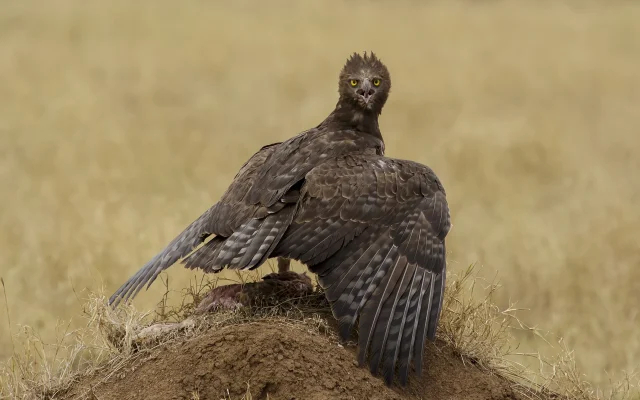
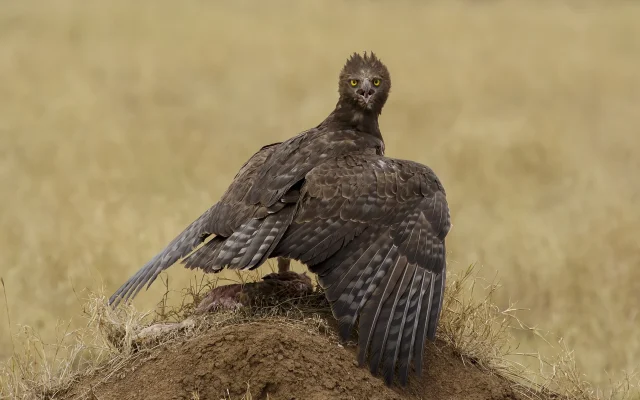
Lake Manyara National Park is one of Tanzania’s most photographer-friendly stops on the northern circuit — not because every subject is guaranteed, but because the park packs extraordinary variety into roughly 330 square kilometres. You can frame pink flamingo bands on an alkaline lake, elephants wading through permanent swamp, baboon troops in groundwater forest, and — with patience — lions resting in acacia branches. For a park you can visit on a long morning or full day between Arusha and Ngorongoro, the yield per hour is unusually high.

Signature subjects photographers travel for

Flamingos and lake reflections: Lake Manyara’s shallow soda flats attract lesser flamingos in variable numbers depending on water chemistry and season. November–April often brings larger flocks; dry months can concentrate birds as water recedes. Early morning side-light turns pink plumage luminous — photographers arrive at the gate around 6:30 AM specifically for this window.

Tree-climbing lions: Manyara is famous alongside parts of Tarangire for lions that lounge in acacia trees — behaviour thought to help them escape ground heat and biting insects. Sightings are not guaranteed (rough estimates in peak dry season suggest perhaps 40–50% probability on a dedicated search), but when they happen the images are iconic: gold fur against green canopy and blue sky.

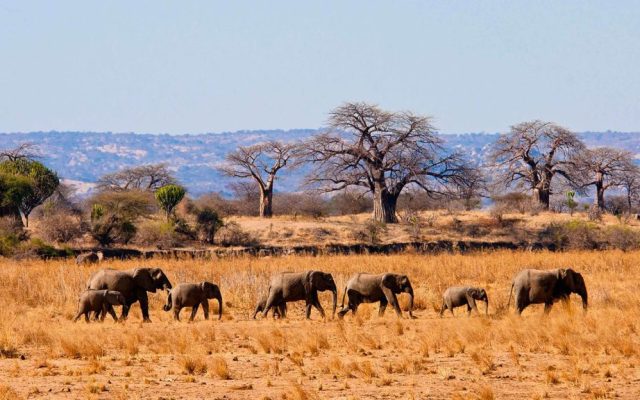
Elephants in swamp habitat: Silale Swamp and permanent wetlands support elephant herds year-round — excellent for behavioural shots: drinking, mud bathing, family groups crossing marsh grass.

Forest and escarpment landscapes: The groundwater forest at the park entrance offers filtered light through fig and mahogany — strong for baboons, hornbills, and atmospheric forest portraits. Rift Valley viewpoints deliver wide panoramas over the lake basin.

Best seasons for different looks

  • June–October (dry): Clearer skies, wildlife concentrates near water, better road access, higher odds of tree lions seeking shade
  • November–May (wet/green): Migratory birds, dramatic clouds, newborn ungulates, intense greens — superb for moody landscape work if you accept occasional rain
  • January–February: Often cited for large flamingo gatherings and high-contrast midday light if you shoot carefully

Gear that works in practice

Most Manyara photography happens from a safari vehicle — beanbags on window ledges beat tripods for wildlife. Recommended kit:

  • Telephoto 200–400mm (or 100–400mm zoom) for lions, elephants, and distant flamingo lines
  • Wide-angle 16–35mm for escarpment vistas and forest interiors
  • Polarizing filter to cut glare on lake surface and deepen foliage
  • Extra batteries and cards — morning shoots burn through both quickly

Heat haze builds by mid-morning; serious photographers plan two golden-hour sessions and rest midday unless shooting hippos at close range.

Timing and light inside the park

TANAPA-managed parks reward early starts. Manyara’s gate opens for morning entry; the first hour often delivers baboon activity along the forest road and soft light on the lake. Late afternoon (roughly 4:30–6:30 PM) warms the escarpment and soda flats — ideal for silhouettes and flamingo colour.

Midday is harsh for portraits but workable for high-contrast elephant texture shots if you embrace shadowless frames or convert to black and white.

Boat and viewpoint opportunities

While Manyara is primarily a drive park, elevated platforms such as hippo pool lookouts give angle variety. Some itineraries pair Manyara with a Kazinga Channel boat later on a Uganda circuit — different skill set, but Manyara itself trains you on patience and vehicle positioning.

Honest limitations

Photographers should know:

  • Tree-climbing lions may not appear on a single half-day visit
  • Flamingo numbers fluctuate — they are not always a solid pink carpet
  • Compact park size means more vehicles per sighting in peak season
  • Commercial filming requires TANAPA permits beyond standard entry

Manage expectations, book a full day if photography is the goal, and hire a driver-guide who understands positioning — not only mammal spotting.

Combining Manyara in a northern Tanzania photo safari

Manyara pairs naturally with Tarangire (elephants and baobabs), Ngorongoro Crater (dense Big Five), and Serengeti (migration plains). Enthusiasts often use Manyara as a warm-up day — forest, lake, and lions — before longer Serengeti assignments. The park’s visual diversity trains your eye before open-grassland shooting.

Practical tips from the field

  • Shoot in burst mode for baboon action and lion yawns
  • Keep shutter speed ≥1/1000s for moving monkeys
  • Use aperture priority (f/4–f/5.6) for subject isolation on elephants
  • Respect park rules — no off-road driving for “better angles”
  • Pack lens cloths; red dust is constant on dry-season roads

Lake Manyara is good for photography because it rewards versatility: birders, big mammal specialists, and landscape shooters all leave with usable cards when they respect light, season, and patience. It is not Africa’s largest park — it is one of its most visually efficient.

We build northern circuit itineraries with time for golden-hour shooting at Manyara, Ngorongoro, and Serengeti. Share your travel dates for a tailored quote.

Request a safari quote

Get a free quote