Top Things to Do in Napak Region
Climb Mount Napak
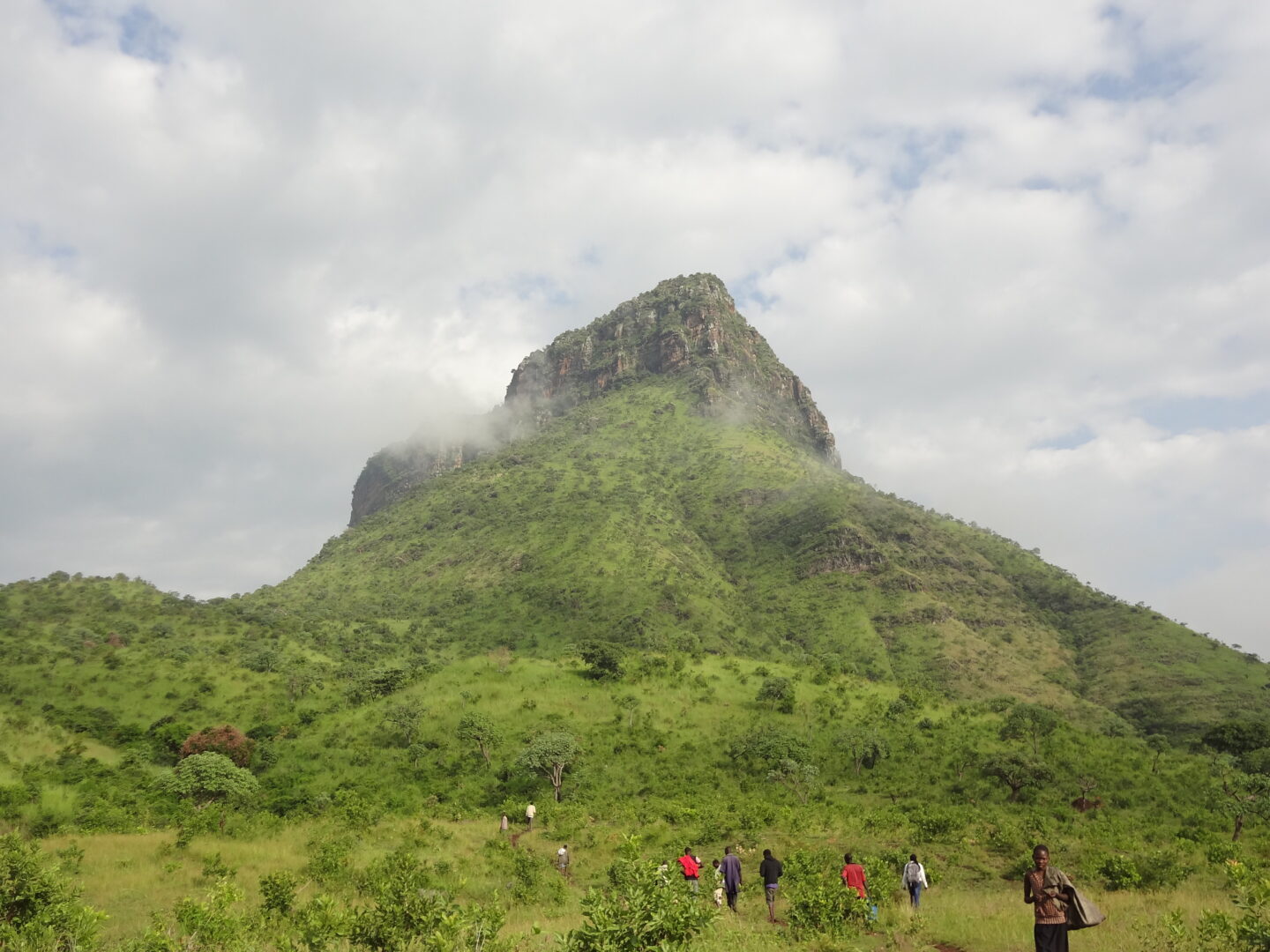
Mount Napak is the region's defining adventure. The climb is best approached as a guided expedition rather than a casual walk. Heat, thorny vegetation, steep sections, and route-finding make local support essential. The reward is a strong sense of isolation and big views across plains, reserves, and distant mountain chains.
Explore Foothill Communities
Guided cultural visits can introduce the daily rhythms of pastoral and agro-pastoral life. The focus should be listening: architecture, livestock, seasonal movement, food, ceremonies, and changing livelihoods all help visitors understand the region beyond scenery.
Connect to Pian Upe Wildlife Reserve
Pian Upe lies within the broader southern Karamoja safari landscape. Wildlife sightings depend on season and route, but the reserve adds savannah game-drive potential, dry-country birds, Napedet Cave rock art, and a natural link toward Mount Kadam and Sipi Falls.
Photograph Karamoja's Plains
Napak's light can be superb, especially early and late in the day. Volcanic ridges, cattle routes, dry riverbeds, manyattas, and mountain silhouettes create strong photography opportunities. Always ask before photographing people, homes, or livestock.
Use Napak as a Route Break
On longer itineraries, Napak can break the journey between Mbale or Soroti and Moroto, or between Pian Upe and central Karamoja. This reduces fatigue and gives the route more substance.
Wildlife, Birds, and Natural History
Napak is not a classic big-game destination by itself, but it sits close to important dryland habitats. Birders can look for savannah, woodland, and raptor species, while nearby reserves add stronger wildlife possibilities. The mountain and surrounding plains also carry botanical interest, especially where vegetation shifts from dry lower slopes to greener highland pockets.
The region's paleontological significance is an additional point of interest. Scientific recognition of fossil sites around Napak and Iriiri suggests that future tourism may include more formal geological interpretation. For now, visitors should treat fossil and rock sites as protected heritage and avoid collecting anything.
The region's signature volcanic mountain, known for steep hiking, changing vegetation, and panoramic Karamoja views. See Mount Napak for route ideas.
A nearby savannah reserve that adds wildlife drives, dry-country birding, rock art, and southern Karamoja scenery.
A challenging volcanic mountain near Nakapiripirit, often paired with Napak on deeper Karamoja trekking routes.
Continue planning Napak Region with Napak Region bird watching, Napak Region best time to visit, and Napak Region getting there, or read the main Napak Region destination guide.
Overview of Napak Region
Napak sits in the western and central Karamoja travel landscape, close enough to major overland routes to be useful, but far enough from mainstream safari patterns to feel distinct. The region is often passed through by travelers moving between Soroti, Moroto, Pian Upe, or Kidepo, yet it deserves more attention for its own combination of mountain scenery and cultural context.
Mount Napak is the region's natural focal point. Sources generally describe it as the third-highest mountain in Karamoja, with elevations cited around 2,520 to 2,538 meters. The mountain is known for steep slopes, thick vegetation in sections, rocky upper approaches, and broad summit views over the Karamoja plains. It is a serious hike, especially in heat or after rain, and should be attempted with experienced local guides.
Beyond the mountain, Napak is also part of a wider geological story. The district has been recognized for early Miocene fossil significance, giving the region educational potential alongside adventure travel. While most visitors will come for scenery, hiking, and culture, the fossil heritage adds an unusually deep time perspective to the landscape.
Why Visit Napak Region?
Napak appeals to travelers who like places that still require interpretation. It is not a destination where every viewpoint is signposted or every trail is formalized. Instead, visitors rely on guides, community knowledge, and careful planning. That makes the experience more demanding, but also more personal.
Mount Napak Hiking
The headline activity is a guided Mount Napak hike. The route commonly begins from the Iriiri side or nearby foothill communities, then climbs through cultivated margins, woodland, rocky sections, and steeper summit terrain. Strong hikers may complete the climb with an overnight plan or a long day depending on route, season, and guide assessment.
Karamoja Cultural Context
The fertile foothills and surrounding plains are home to Bokora and wider Karamojong communities. A responsible Napak itinerary can include village visits, homestead interpretation, market experiences, local food, craft, and discussions about changing pastoral life. These visits should be arranged through trusted guides so that hosts are respected and paid fairly.
Pian Upe and Southern Karamoja Links
Napak sits naturally on routes to Pian Upe Wildlife Reserve and Mount Kadam. It can be used as a stepping stone between eastern Uganda's Mount Elgon-Sipi corridor and the Karamoja interior, making it useful for travelers building a longer adventure circuit.