Overview of Maasai Mara National Reserve
Maasai Mara National Reserve protects approximately 1,510 square kilometres of rolling grassland in southwestern Kenya, forming the northern extension of the Serengeti–Mara ecosystem shared with Tanzania's Serengeti National Park. Administered by Narok and Trans Mara county governments, the Mara operates under a reserve model distinct from KWS-managed national parks — though it functions within Kenya's broader wildlife conservation framework alongside partners including conservancy trusts and Maasai communities.
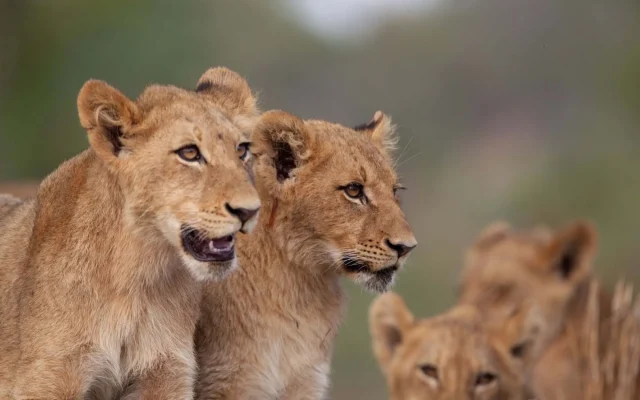
The Mara River and its tributaries define the landscape's ecology and migration drama. Between roughly July and October, wildebeest and zebra herds cross from Tanzania, often attempting perilous river passages watched by crocodiles and tourists alike. Year-round, lion prides, cheetahs, leopards, elephants, and buffalo make the Mara one of Africa's premier predator destinations.
Conservancies & Community Tourism
Surrounding conservancies on Maasai-owned land extend wildlife habitat beyond the main reserve. Tourism leases generate community income while offering visitors night drives, walking safaris, and lower vehicle densities. Understanding reserve versus conservancy fees helps when comparing packages.
East Africa Itinerary Fit
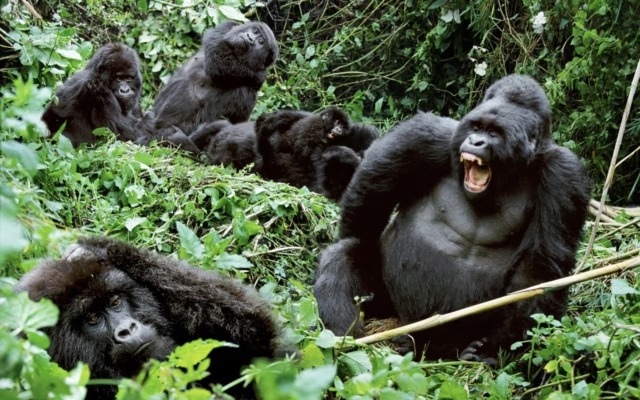
The Mara anchors classic Kenya routes through Nairobi, Lake Nakuru National Park, and Amboseli National Park. Cross-border travellers combine the Mara with the Serengeti for complete migration coverage, or fly onward to Uganda and Rwanda for gorilla trekking in Bwindi Impenetrable National Park and Volcanoes National Park.
Continue planning Maasai Mara National Reserve with Maasai Mara wildlife, Maasai Mara bird watching, Maasai Mara best time to visit, and Maasai Mara getting there, or read the main Maasai Mara National Reserve destination guide.