Top Things to Do at Lake Tanganyika
Lake Tanganyika is far more than a scenic body of water — it is the access corridor, activity base, and ecological heart of Tanzania's western safari circuit. Where the Northern Circuit linking Serengeti National Park and Ngorongoro Crater centres on savannah game drives, the Tanganyika shore rewards travelers with forest primates, underwater endemism, and boat culture found almost nowhere else in East Africa.
Chimpanzee Trekking at Gombe Stream
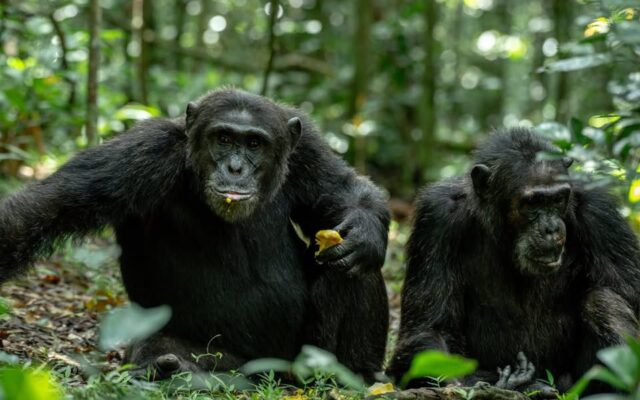
Gombe Stream National Park — Tanzania's smallest national park — is reached by water taxi from Kigoma (~16 km north). Jane Goodall began her groundbreaking chimpanzee research here in 1960, and habituated communities still allow close forest encounters. Trails climb steeply through riverine forest; dry-season conditions (June–October) offer the firmest footing. TANAPA entry fees and licensed guides are required.
Chimpanzee Trekking at Mahale Mountains
Mahale Mountains National Park rises directly from the lake's eastern shore — a forested mountain range sheltering one of Africa's largest remaining wild chimpanzee populations. No roads reach Mahale; you arrive by charter boat (~4–5 hours from Kigoma) or light aircraft. Trekking pairs with exclusive beach lodges, kayaking, and some of the lake's finest snorkelling — the premium western Tanzania experience.
Snorkelling Among Endemic Cichlids
Rocky shallows near Kigoma and Mahale beaches put snorkellers among dozens of cichlid species in 1–5 metres of water. More than 250 cichlid species inhabit Lake Tanganyika, and roughly 98% are found nowhere else on Earth — jewel-bright colours rivalling tropical coral reefs. A mask and snorkel alone reveal an inland reef spectacle; no specialist equipment is needed for shallow exploration.
Scuba Diving
Certified divers find rocky drop-offs, sandy plateaus, and submerged boulders where cichlids school in shimmering clouds. Water temperature stays around 25°C year-round; dry-season visibility commonly reaches 15–20 metres. Dive operators based in Kigoma offer guided excursions — PADI certification and local expert guidance are recommended due to freshwater hazards including hippos and crocodiles in some zones.
Boat Safaris and Lake Ferries
Water taxis to Gombe, charter boats to Mahale, sunset dhow cruises from Kigoma, and fishing-village visits define Tanganyika's maritime character. The historic MV Liemba — a century-old passenger ferry — operates between Tanzanian, Burundian, and Zambian ports for adventurous multi-day lake travel.
Beach Relaxation and Kayaking
Sandy coves at Mahale and sheltered bays near Kigoma offer swimming, kayaking, and lakeside downtime between forest treks. Confirm safe swimming zones with your lodge — bilharzia is present in some areas.
Historic Ujiji and the Livingstone Memorial
Just south of Kigoma, Ujiji preserves the site where Henry Morton Stanley met David Livingstone in 1871 — a cultural counterpoint to primate and aquatic adventures.
Wildlife at Lake Tanganyika
Lake Tanganyika wildlife spans three distinct zones: the open lake, the shoreline, and the forested parks rising from the shore.
Lake and Shoreline Species
Hippos and Nile crocodiles inhabit parts of the shoreline — follow lodge and guide guidance for swimming and boating. African fish eagles patrol the water; otters occur in some bays. The lake's fish fauna is dominated by endemic cichlids, with over 95% of species encountered during diving and snorkelling found nowhere else on Earth.
Forest Primates
Chimpanzees are the headline species at Gombe and Mahale, but red colobus, red-tailed monkeys, and blue monkeys also inhabit the forest parks. Mahale's miombo woodland and montane forest support additional primate diversity.
Miombo Woodland Mammals
The wider Kigoma region's miombo woodland supports lion, leopard, elephant, and buffalo in remoter sectors — though big-game viewing here is secondary to primate and lake experiences. The western circuit pairs naturally with Katavi National Park for classic savannah safari extensions.
Continue planning Lake Tanganyika with Lake Tanganyika bird watching, Lake Tanganyika best time to visit, and Lake Tanganyika getting there, or read the main Lake Tanganyika destination guide.