Overview of Lake Tanganyika
Lake Tanganyika is among Africa's most remarkable natural features — the world's second-deepest lake (maximum depth ~1,470 m, after Baikal), the second-largest freshwater lake by volume, and the longest freshwater lake on the continent at roughly 673 km. It holds approximately 17% of the world's available surface freshwater and is shared by Tanzania, the Democratic Republic of Congo, Burundi, and Zambia.
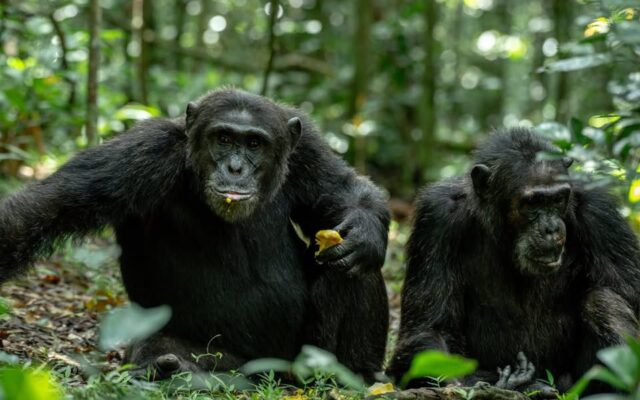
Tanzania's eastern shoreline is the tourism focus — anchored by Kigoma port and giving access to Gombe Stream National Park (Jane Goodall's chimpanzee research site) and Mahale Mountains National Park (premier wild chimp trekking and lakeside lodges). Over 250 cichlid fish species inhabit the lake, with roughly 98% endemic — making Tanganyika one of the world's premier freshwater snorkelling and diving destinations.
Why Visit Lake Tanganyika?
Chimpanzee trekking, endemic cichlid snorkelling, remote beach lodges, and genuine wilderness beyond Northern Circuit crowds. The western circuit pairs naturally with Serengeti National Park and Ngorongoro Conservation Area on comprehensive Tanzania itineraries — savannah first, chimps and cichlids second.
How Deep Is Lake Tanganyika?
Maximum depth is approximately 1,470 metres — second only to Lake Baikal in Siberia. From the Tanzanian shore, the DRC coastline is invisible across the open water.
Is Lake Tanganyika Safe for Swimming?
Yes in designated lodge and beach areas, especially near Kigoma and Mahale. Confirm safe zones with your operator — bilharzia, hippos, and crocodiles are present in some parts of the lake.
How Does Tanganyika Compare to Lake Victoria?
Tanganyika is deeper, clearer, and more biodiverse underwater. It is far more remote and expensive to reach than Lake Victoria tourism hubs — but offers chimpanzee trekking and diving experiences Victoria cannot match.
Continue planning Lake Tanganyika with Lake Tanganyika wildlife, Lake Tanganyika bird watching, Lake Tanganyika best time to visit, and Lake Tanganyika getting there, or read the main Lake Tanganyika destination guide.