Lake Kivu — questions travelers ask before booking
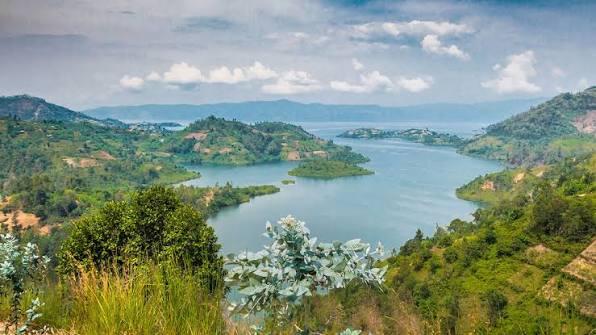
Lake Kivu occupies a specific niche in Rwanda travel: a vast rift lake along the western border where calm water, volcano views, and boat culture deliver scenery and recovery time — not Big Five game drives. Understanding that distinction upfront prevents the mismatch of expecting Akagera wildlife on a lakeside honeymoon stop.
The site works best as a one- to two-night extension after Volcanoes National Park (via Musanze to Gisenyi/Rubavu) or after Nyungwe (to Karongi/Kibuye). Many circuits include both primate parks with Lake Kivu nights in between — a classic Kigali–Volcanoes–Lake Kivu–Nyungwe–Kigali loop.
Is it worth visiting?
Yes — for travelers who value scenery, boat time, swimming, and post-trek rest. Lake Kivu is Rwanda's most important complementary destination after gorilla trekking. It is less compelling if your only goal is savannah wildlife; prioritize Akagera first and add Lake Kivu only if dates allow.
Gorilla trekking combinations
Lake Kivu is Rwanda's most popular post-gorilla recovery stop because Gisenyi sits roughly one hour west of Musanze. Many operators transfer trekkers directly to lakeside lodges for sunset cruises and early nights rather than a long same-day return to Kigali.
See getting to Lake Kivu for realistic transfer times from Musanze and Volcanoes.
Gisenyi (Rubavu) vs Karongi (Kibuye)
Gisenyi suits Volcanoes extensions, volcano photography, and lively lakeside dining. Karongi (Kibuye) suits Nyungwe combinations, Napoleon Island bat trips, and quieter peninsula scenery. Splitting nights between both works on longer itineraries driving the lake shore.
Swimming and lake safety
Travelers often ask about swimming. Lake Kivu is unusual among large African lakes: no hippos and no crocodiles in tourism zones, and many lodges maintain swimmable areas. Methane exists in deep water but is monitored; follow lodge guidance and avoid swimming far from shore alone. The lake is widely considered one of Africa's safest large lakes for recreational swimming.
Boat trips and islands
Signature excursions include sunset cruises from Rubavu, half-day trips to Napoleon Island's fruit-bat colony from Kibuye, and picnic stops on Amahoro Island. Kayaking and fishing trips are widely available. Book through your lodge or a licensed operator.
Honeymoon and photography
Lakeside lodges on both shores cater to couples with views, private decks, and sunset boats. Dry-season months (June–September, December–February) book earliest alongside gorilla permits. Photographers should plan golden hour from Rubavu toward the Virunga peaks.
Wildlife expectations
Lake Kivu is not where you tick off elephant or lion. Fruit bats on Napoleon Island, otters at dawn, fish eagles, and lakeshore birds define the nature story. Travelers needing classic game drives should continue to Akagera after the lake — this is a relaxation and scenery destination, not a wildlife park.
Where to read next
Bird lists and boat birding: bird watching at Lake Kivu.
Seasons and months: best time to visit.
Road routes and transfers: how to get there.
The main Lake Kivu destination guide covers lodges, tour packages, and nearby combinations with Volcanoes, Nyungwe, Kigali, and Musanze.