Bird watching at Lake Kivu
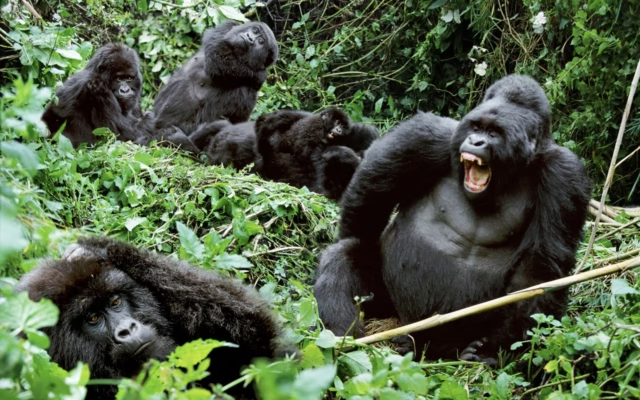
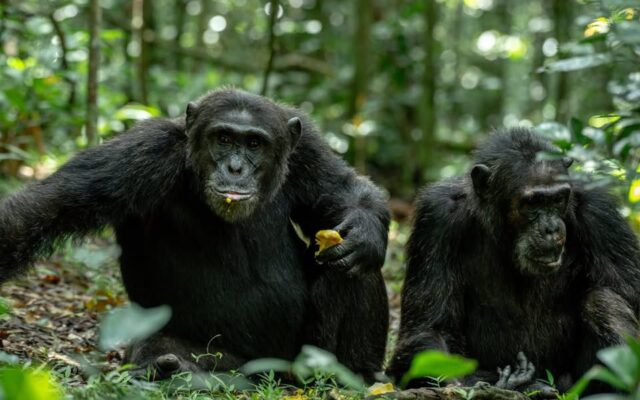
Bird watching at Lake Kivu suits travelers who want rewarding nature observation without another long forest walk. After mountain gorilla trekking in Volcanoes National Park or chimpanzee hikes in Nyungwe National Park, the lake offers kingfishers over quiet bays, weavers in lodge gardens, and fish eagles along wooded shores — all from boat, promenade, or terrace rather than steep trail.
The lake sits at roughly 1,460 metres along Rwanda's western rift, shared with DRC. That elevation and mosaic of cultivated hills, eucalyptus patches, papyrus edges, and open water shape a mixed list distinct from pure montane forest birding at Nyungwe or bamboo zone species near Musanze.
Why Lake Kivu works for birders
Unlike dedicated swamp sites, Lake Kivu is a large rift lake with tourism infrastructure on both Gisenyi (Rubavu) and Karongi (Kibuye) shores. Birding happens from slow boat trips, lakeside walks, lodge gardens, and optional Congo Nile Trail sections — not from permit-limited forest trekking. That makes it ideal recovery birding when legs need rest but binoculars still want exercise.
Morning and late afternoon offer the best light and activity. Midday heat on open water can quiet shoreline species; plan a dawn scan from your lodge or a quiet bay before breakfast, then a second session during an island boat trip after cultural stops.
Species to expect
Commonly encountered groups include malachite and pied kingfishers hunting from overhanging branches, African fish eagles calling from dead trees, black-headed weavers and sunbirds in flowering lodge gardens, swifts and swallows over the water, and various herons and egrets working sheltered coves. Double-toothed barbets and robin-chats appear in wooded margins above Karongi's peninsulas.
Forest specialists belong in Nyungwe — Albertine Rift targets such as turacos and broadbills — while Lake Kivu adds open-water and lakeshore generalists. Exact day lists depend on season, guide effort, and whether you combine lake time with short walks on the Congo Nile Trail or coffee-farm visits inland from Rubavu.
Boat and shoreline technique
The signature approach is slow boat birding toward islands such as Napoleon (bat colony) or Amahoro near Kibuye. Sit low, minimize sudden movement, and let the boatman control approach angles — flushing kingfishers for photographs defeats the purpose of a calm lake session after trekking.
From Gisenyi's lakeside promenade, early-morning walks reward casual lists without leaving town. Kayak sessions at dawn offer quiet access to shoreline vegetation where herons feed.
Gear and pacing
Bring 8×42 binoculars as a practical default. A East Africa field guide or eBird checklist helps between sightings. Telephoto lenses reward kingfisher and fish eagle photography; pack rain protection — rift showers arrive quickly even in dry months. Layered clothing matters at this elevation: mornings can feel cool after an open-boat session.
Casual visitors still enjoy colorful common birds without a specialist guide. List-focused birders should book enough time to scan agricultural margins above the lake and consider pairing one lake day with a dedicated Nyungwe forest morning.
Seasonal patterns
Year-round resident birding is strong because many species use the lake continuously. Migratory interest can increase during broader October–March windows when Palearctic visitors supplement lists across East Africa — though Lake Kivu is not primarily a migrant hotspot compared with northern savannah wetlands.
Drier months (roughly June–September and December–February) simplify road access and lodge logistics — see our best time to visit Lake Kivu page for month-by-month planning.
Building a Rwanda birding arc
Lake Kivu pairs naturally with Nyungwe for forest specialists plus lakeshore generalists on one circuit. Gorilla-focused itineraries often run Volcanoes forest birding (limited trail time) then Lake Kivu recovery birding from Gisenyi.
Treat Lake Kivu as the calm rift-lake chapter, not the entire birding itinerary — serious Albertine Rift list-building still requires Nyungwe and Volcanoes forest time.
Responsible birding
Keep distance from nesting herons and kingfishers on islands. Avoid playback near sensitive species unless your guide recommends it ethically. Support community boat operators and lodges that employ local naturalists — tourism income reinforces habitat stewardship along a shoreline facing development pressure.
Access: getting to Lake Kivu. Main hub: Lake Kivu destination guide.