Lake Albert Region — questions travelers ask before booking
The Lake Albert Region describes the Ugandan Western Rift landscape around Lake Albert — escarpments, fishing communities, Nile delta wetlands, oil-corridor infrastructure, and safari routes linking Murchison Falls National Park, Hoima, Bugoma Forest Reserve, Bugungu Wildlife Reserve, and West Nile towns such as Pakwach. Most wildlife tourism operationalizes inside Murchison — savannah game drives, Nile boats, falls visits, and delta shoebill searches — with regional pages adding escarpment context and forest complements.
Is Lake Albert the same as Murchison Falls?
Not exactly — Murchison is the national park anchor; Lake Albert Region is the wider rift setting including lake shore, escarpment viewpoints, and associated reserves. Itineraries often say Murchison when meaning Albert delta shoebills plus park savannah.
Shoebills, guarantees, and booking
Delta shoebill outings are wild birding — skilled guides and resident territories improve odds but guarantees are inappropriate marketing. Book delta mornings through Murchison lodges or operators; early starts are standard.
Chimps, savannah, and forest combinations
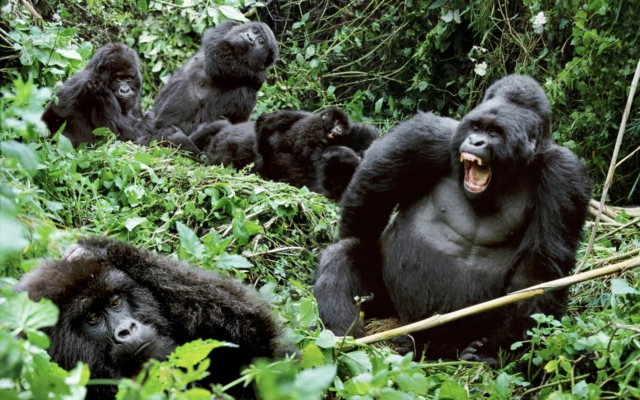
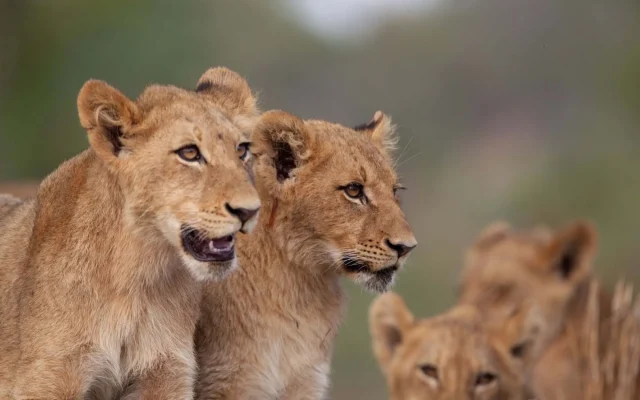
Bugoma Forest Reserve adds chimp and forest walks separate from Murchison elephant and lion drives. Schedule forest and savannah on different half-days when drive distances apply.
Oil corridor and access changes
Albertine oil development altered traffic and community dynamics in parts of the region — confirm current routes with operators rather than outdated maps. Respect fishing communities at landing sites; guided approaches beat independent shoreline wandering.
Time and itinerary fit
Minimum meaningful Murchison–Albert exposure is often two to three nights — one savannah day, one delta or boat day, optional falls top visit. Longer loops add Bugoma, escarpment viewpoints, or West Nile extensions toward Arua.
Packing, safety, and shoreline realism
Pack binoculars, sun protection, rain jacket, and dry bags for delta boats and Nile cruises. Malaria precautions apply across the rift — consult your clinician. Do not swim or walk unmarked lake margins; hippo and crocodile risk is real at fishing landings. Respectful photography at working villages requires permission — guided approaches beat independent shoreline wandering.
Booking order and operator questions
Reserve Murchison lodge nights in peak dry season first, then confirm delta shoebill slots through lodge or tour partners. Ask whether packages include Paraa ferry crossings, park entry, and community fees for Bugoma forest walks — itemised quotes prevent surprise extras on arrival.
Combining Murchison with Kidepo or West Nile
Long northern loops link Murchison Falls National Park with Pakwach, Arua, and remote Kidepo Valley National Park — multi-week safaris requiring dry-season road realism and operator intelligence. Albert Region pages describe the rift context; Kidepo adds a separate planning layer for travellers extending beyond standard three-night Murchison stays.
Shoebill vs Mabamba — when Albert makes sense
Travellers comparing shoebill sites often weigh Mabamba Swamp near Entebbe against the Albert delta inside Murchison. Mabamba suits airport-day or central Uganda birding arcs; the Albert delta rewards travellers already committed to northern safari loops with savannah, Nile boats, and falls visits — different itinerary shapes, not a simple which-is-better choice.
Where to read next
Wildlife ecology: Lake Albert Region wildlife.
Birding and shoebills: Lake Albert bird watching.
Seasons: best time to visit Lake Albert.
Routes: how to get to the Lake Albert Region.
The main Lake Albert Region destination guide and Murchison Falls National Park hub provide full safari context.
Ask operators how oil-corridor road changes affect your specific lodge and delta pickup points — static maps age quickly in this part of the Albertine Rift.