Bird watching in the Lake Albert Region
Birders remember the Lake Albert Region for two contrasting theatres: papyrus and delta wetland birding where the Victoria Nile meets the lake inside Murchison Falls National Park, and escarpment–savannah birding on rift viewpoints and reserves such as Bugungu and Kabwoya above the water. Forest patches including Bugoma Forest Reserve add a third layer — greenbuls, hornbills, and chimp-associated forest species — often missed by travelers who only game-drive Murchison's Paraa sector.
Shoebill and Nile delta wetlands
The shoebill is the regional headline for many listers. Delta boat trips and guided walks search papyrus channels and open pools for Africa's most distinctive waterbird — standing motionless before lungfish strikes. Delta guides know recent territories; early starts beat heat and wind on flat water. Ethical viewing keeps distance — no flushing for flight shots.
Supporting delta species include African jacana, malachite kingfisher, goliath heron, saddle-billed stork, white-winged tern seasonally, and dense concentrations of water-associated birds when water levels suit. Exact mixes shift annually — flexible scheduling after overnight rain or changing Nile flow helps.
Murchison savannah and riverine birding
Murchison Falls National Park contributes savannah raptors — martial eagle, secretarybird, Denham's bustard — and Nile boat lists with pied kingfisher, red-throated bee-eater colonies on bank cliffs, and African fish eagle. Northern Murchison extensions toward the Budongo edge add forest–savannah transitions. A full Albert Region birding loop schedules delta shoebill mornings separately from Paraa boat and game-drive afternoons — different habitats, different stakeouts.
Escarpment and reserve birding
Rift escarpment roads toward Butiaba and Pakwach produce soaring raptors, swallows, and scrub species with lake backdrops. Bugungu and Kabwoya reserves offer quieter antelope country birding above the lake — useful half-days when Murchison lodges are fully booked for peak savannah activities.
Bugoma Forest specialists
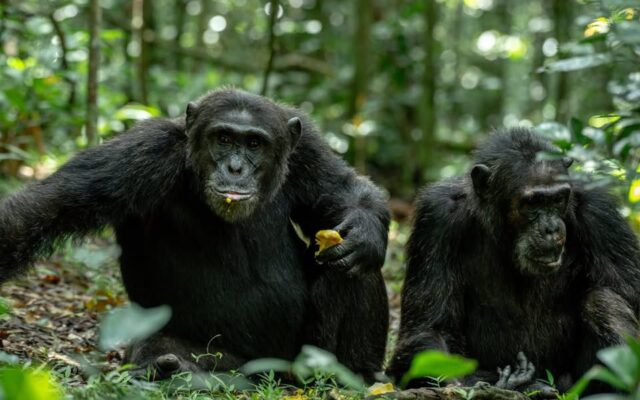
Bugoma Forest Reserve birding complements savannah lists — forest hornbills, turacos, and species absent on open plains. Chimp tracking tourism shares trails; bird-only walks need guide coordination. Bugoma sits logically on Hoima–Albert approaches for travelers splitting Murchison and forest time.
When and how to bird the region
Delta mornings are non-negotiable for shoebill effort. Carry 8×42 binoculars, scope if available for distant wetland scanning, sun protection on open boats, and dry bags. Dry seasons (broadly June–September and December–February) simplify road access to escarpment viewpoints and delta landings; rainy months remain bird-active with mud and schedule flexibility.
Palearctic migrants supplement regional lists roughly October–March — aligning with wider Uganda migration windows. Local guides who know delta channels outperform general savannah drivers on shoebill mornings.
Shoebill ethics and realistic expectations
Shoebill tourism on the Albert delta should follow the same ethical framing as Mabamba Swamp near Entebbe: skilled guides improve odds dramatically, but wild birding never guarantees a standing bird at photographic range. Avoid operators who promise certainty or flush birds for flight shots. Early calm mornings on flat water beat afternoon wind and heat for both bird activity and boat comfort.
Forest–savannah transitions on escarpment drives
Escarpment transfers between delta landings and Paraa often produce roadside raptors, rollers, and bee-eaters in scrub above the lake — productive when guides allow brief, safe stops. Bugungu and Kabwoya reserves add quieter antelope-country birding for travelers who want half-days away from peak Murchison traffic. Treat these margins as list-building opportunities, not filler between shoebill and lion priorities.
Serious listers should carry a Uganda field guide or eBird checklist — delta mornings produce memorable highlights, but escarpment and forest complements separate good days from great regional counts.
Building a northern Uganda birding route
Lake Albert birding opens itineraries continuing to Kibale, Budongo Forest, or Semuliki when routing south through Hoima and Fort Portal. Kampala arrivals sometimes begin with Mabamba Swamp near Entebbe before the long drive north — Victoria Nile and Lake Victoria wetlands contrast with Albert delta ecology.
See our Lake Albert Region wildlife, best time to visit, and getting there pages for mammal context and access planning.
Non-birders still enjoy delta mornings — the shoebill's stillness and papyrus scenery impress many visitors who never keep formal life lists.
Allow a full morning for delta work — rushed shoebill searches before long drives south rarely produce the patient searching this habitat rewards.