Bird watching in Kyambura Gorge
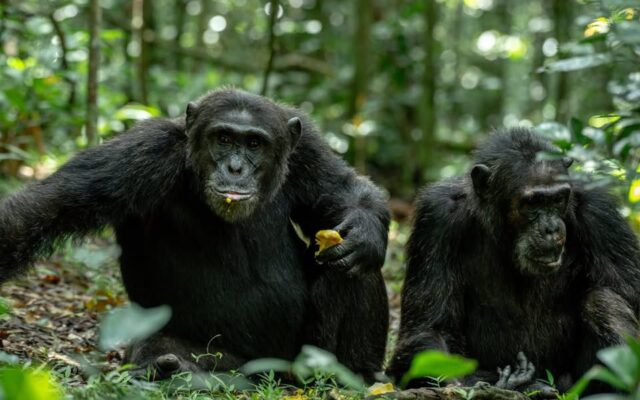
Kyambura Gorge birding unfolds in two zones: the forest floor and canyon walls inside the gorge — shared habitat with chimpanzee tracking — and the open escarpment and savannah edge above within Queen Elizabeth National Park. Serious listers often combine a chimp permit morning with escarpment scanning or schedule separate birding walks when primates are not the priority. The gorge's nickname, Valley of Apes, understates avian richness — fig-feeding frugivores, raptors on thermals, and riverine specialists all use the corridor.
Forest gorge species
Inside the canyon, expect Afromontane and riverine forest birds: African broadbill, various hornbills, turacos, forest robins, sunbirds, and warblers audible before visible. Chimp tracking groups move at primate pace — incidental birding during treks is bonus, not list-building time. Dedicated birders should request slower gorge walks or escarpment-edge routes when chimps are not booked.
Forest light is dim — binoculars with good low-light performance help. Calls matter; guides who know Kyambura acoustics add more species than visual scanning alone.
Escarpment and savannah-edge birding
Above the gorge, QENP's wider birdlist opens: raptors including martial eagle and brown snake-eagle, lapwings, bee-eaters, rollers, and waterbirds toward the Kazinga Channel when combined on multi-day park itineraries. The escarpment viewpoint near Kyambura entrance is a practical stakeout for soaring birds and photographic gorge panoramas — birds and scenery together.
Pairing Kyambura with Kazinga boat safaris adds pelicans, storks, kingfishers, and water-associated species impossible inside the forest canyon.
Comparison with Kibale and Kalinzu
Kibale National Park offers larger forest blocks and specialist birding walks without canyon terrain — different pacing and habitat depth. Kalinzu Forest Reserve south of QENP adds chimp-associated forest birding on separate trails. Kyambura's unique selling point is gorge scenery plus forest species inside a savannah park — a combination listers on western loops should exploit rather than duplicate blindly across three forests.
When and how to bird Kyambura
Mornings suit forest activity and chimp trek schedules alike. Dry seasons (broadly June–September and December–February) simplify trail footing on steep gorge paths. Rainy months bring lush vocal activity but slick descents — pack rain gear and allow flexible timing.
Carry 8×42 binoculars, field guide covering Uganda forest and savannah, and telephoto lens if photographing both gorge depth and raptors above. Flash is inappropriate near nesting forest species and chimps.
Forest acoustics reward patient listening — African broadbill, greenbuls, and cuckoos often announce presence before they appear in dim understory. Guides who pause for calls add species that visual scanning alone misses on steep gorge trails.
Crater lakes and QENP wetland additions
Crater lakes scattered through Queen Elizabeth National Park — Katwe salt works margins, Nyamunuka, and other viewpoints — add flamingo possibilities seasonally, water-associated raptors, and open-country species between gorge and savannah zones. These stops suit afternoon drives when morning chimp permits are already booked. Lake George and the Kazinga linkage expand wetland lists with papyrus specialists when time allows on multi-day park itineraries.
Gear, ethics, and photography in the gorge
Low forest light favours fast lenses and steady hands over flash. Playback should follow guide ethics — some gorge stakeouts are fragile. Waterproof footwear matters year-round; rainy-season descents become slick quickly on leaf litter and clay. Respect distance from chimps when birding overlaps primate groups — UWA rules apply to all visitors regardless of primary interest.
Seasonal lists and migrant supplements
Palearctic migrants strengthen escarpment and wetland lists roughly October–March — overlapping dry-season travel for many visitors. Forest residents inside the gorge remain year-round; tell operators if birding drives permit scheduling alongside chimp mornings on adjacent days rather than the same half-day.
Building a Queen Elizabeth birding itinerary
Kyambura slots into QENP multi-day plans alongside Kasenyi plains, Mweya Peninsula, Ishasha (when routing south), and Kazinga Channel. Longer routes continue to Bwindi for Albertine Rift targets or Semuliki via Fort Portal for Congo-basin edge species.
See our Kyambura Gorge wildlife, best time to visit, and getting there pages for chimp logistics and access detail.