Best time to visit Kyambura Gorge
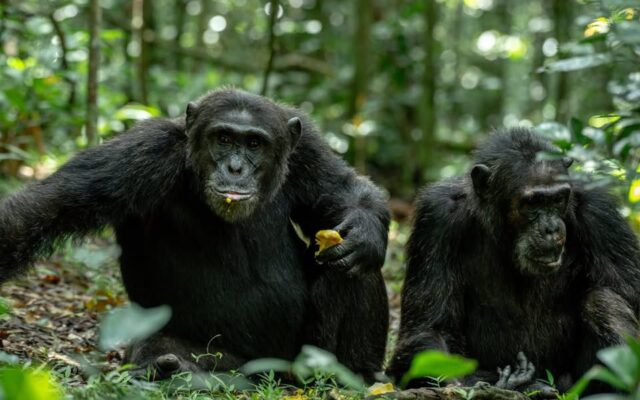
Kyambura Gorge sits inside Queen Elizabeth National Park — so season planning should align with your wider QENP stay: game drives, Kazinga boat safaris, and transfers toward Bwindi or Kibale. Chimp tracking permits are available throughout the year; the practical variables are trail footing on steep gorge paths, humidity comfort, photography light in the canyon, and how dry-season park demand affects lodge availability around Mweya and Katwe.
Dry season trekking conditions
Broadly drier months — roughly June to September and December to February — often firm up gorge trails and simplify savannah game driving on the same itinerary. Descents into the forest floor feel less treacherous when mud is minimal; ascents after chimp hours still demand fitness but reward with clearer escarpment views from the rim.
These windows coincide with peak international travel — book Kyambura chimp permits and QENP lodges early when dates are fixed inside European summer or winter escape periods.
Rainy season character
Rainier clusters around March to May and parts of October to November intensify gorge humidity, swell stream crossings, and slicken slopes. Treks continue — chimps do not migrate out of the canyon — but allow longer trek durations and pack waterproof boots with grip. Forest atmosphere and bird vocal activity can excel once showers pass; photography inside the gorge stays challenging when light is flat and rain persists.
Roads within QENP also soften in wet months — 4×4 value rises for crater-area lodges and Ishasha extensions.
Time of day and permit scheduling
Chimp briefings typically align with morning slots — cooler forest temperatures and active primate movement. Afternoon gorge treks are less common; most travelers pair mornings here with afternoon Kasenyi game drives or Kazinga boats when lodge distances cooperate.
Do not stack Kyambura on the same morning as a distant Ishasha departure unless drive times are verified — QENP is large and deceptive on maps.
Lodge location and internal drive timing
Lodge choice inside Queen Elizabeth National Park shapes Kyambura mornings more than season alone. Katwe and Kyambura-area properties minimize rim-to-briefing minutes; Mweya Peninsula lodges require earlier departures and realistic expectations about crater-track delays. Northern-sector camps near Kasese or crater lakes suit travelers combining gorge chimps with Rwenzori extensions — confirm permit times against evening-before drive estimates with your operator.
Photography and forest light
Canyon photography favours dry-season mornings when mist lifts and rim viewpoints open toward the Kazinga corridor. Inside the gorge, filtered light stays soft all day — plan for higher ISO and patience rather than harsh midday contrast. Bird photographers often split activities: gorge forest in the morning, escarpment raptors or Kazinga waterbirds in the afternoon when thermals and boat schedules align.
Rainy-season realism and flexible afternoons
Wet months do not cancel Kyambura permits — chimps remain in the canyon — but lodge staff should build flexible afternoon plans when morning ascents run long in rain. Kasenyi game drives and Kazinga boats still operate; muddy crater tracks simply demand more time between activities. Travelers who accept weather margin often enjoy lush gorge atmosphere and strong post-shower bird vocal activity.
Peak dry-season weeks also fill QENP lodges fastest — book gorge permits and accommodation together when dates fall inside European summer or December holidays rather than assuming last-minute chimp slots.
Combining with Kibale or Kalinzu chimp options
Travelers prioritizing chimp success rates sometimes trek Kyambura for scenery inside QENP and add Kibale or Kalinzu on longer loops. Season choice for the whole western route matters more than optimizing Kyambura alone.
Month-by-month snapshot
January–February: Often drier; good trekking and game driving; popular travel period.
March–May: Rainier; lush gorge; slick trails; flexible timing helps.
June–August: Peak dry season; book permits and lodges ahead.
September: Transition — workable; watch early rains.
October–November: Second rainy peak possible; strong bird activity after showers.
December: Holiday lodge demand; morning gorge starts essential.
Pair with our Kyambura Gorge wildlife, bird watching, and getting there guides.
Western-loop travellers should align Kyambura season choice with Kibale or Bwindi legs on the same itinerary — optimizing one gorge morning in isolation rarely reflects how QENP sits in real multi-park routes.