Hoima — questions travelers ask before booking
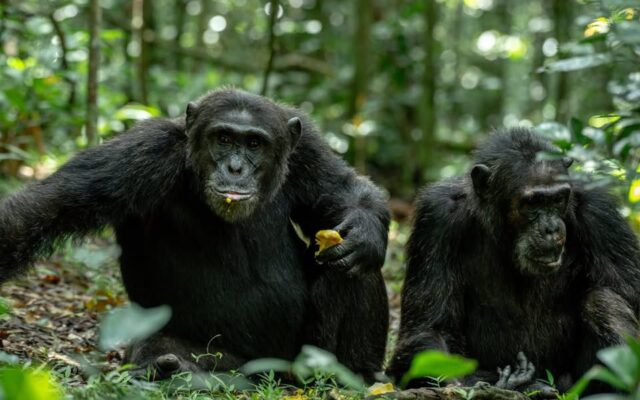
Hoima is Bunyoro Kingdom's regional capital on the Lake Albert rift — a western city growing with oil-sector infrastructure, yet still a practical base for Bugoma Forest Reserve, Kabwoya Wildlife Reserve, and Murchison Falls National Park approaches. It is not a national park; chimps and hornbills are at Bugoma, not city roundabouts.
The town works best for one to two nights on Albertine itineraries — forest morning at Bugoma, escarpment afternoon at Kabwoya, or staging Murchison transfers — paired with Mparo Tombs for Bunyoro heritage.
Hoima vs Fort Portal
Fort Portal is the Kibale–crater-lakes hub east of the rift. Hoima is the Bugoma–Lake Albert–Murchison-southwest hub. Choose by map geometry, not hotel star ratings alone. Some long western loops include both.
Access and conservation sensitivity
Bugoma Forest faces real conservation pressures — use reputable guides, respect community boundaries, and confirm current entry rules. Tourism should support legal access channels, not ad hoc trail cutting.
Oil town expectations
Hoima's growth brings construction, traffic, and modern services — useful for fuel and banking, different from quaint crater-lake lodge atmosphere. Plan urban time as logistics, forest time as wildlife.
Where to read next
Wildlife: Hoima wildlife.
Birding: bird watching.
Seasons: best time to visit.
Roads: how to get to Hoima.
Guide networks and language
English works in most tourism-facing Hoima businesses; Bunyoro languages dominate local markets — a few courtesy phrases improve market interactions. Forest guides at Bugoma may be community-affiliated; confirm language fit when booking through Kampala agencies versus locally on arrival.
Photography permissions
Royal sites and community forests have different photography rules — ask before drones or flash at Mparo Tombs and Bugoma edges. Oil infrastructure is not a tourist photography subject; avoid restricted industrial zones.
Albertine versus Kibale–Fort Portal decision tree
Choose Hoima when Murchison southwest entry, Bugoma chimps, or Kabwoya scenery anchor your week. Choose Fort Portal when Kibale, crater lakes, and Queen Elizabeth south corridor anchor it. Choose both only on nine-plus-night western safaris with realistic drive tolerance.
Accommodation tiers in Hoima
Business hotels serve oil and government travel; mid-range lodges sit nearer forest edges — read location maps before booking "Hoima area" properties that may be distant from Bugoma dawn starts.
Conservation ethics at Bugoma
Bugoma Forest faces documented encroachment pressure — visitors should use approved guide networks, avoid unofficial trail cutting, and purchase community fees through legal channels. Tourism income supports arguments for intact forest when travelers behave responsibly. Ask guides about current boundary disputes rather than treating forest as abstract wilderness divorced from Bunyoro farmland.
Typical Hoima itinerary pacing
Day one: arrive from Kampala or Ziwa, optional Mparo Tombs cultural visit. Day two: dawn Bugoma Forest birding or chimps, afternoon Kabwoya Wildlife Reserve escarpment. Day three: transfer to Murchison Falls lodges. Rushing all three into two days sacrifices forest quality — Hoima rewards one full unhurried field day minimum.
First-time visitors and Albertine expectations
Hoima does not offer Kibale-style polished chimp tourism or Queen Elizabeth savannah density in town — set expectations for frontier forest, escarpment scenery, and Murchison transfers. That honesty helps travelers appreciate Bugoma and Kabwoya for what they deliver rather than comparing them unfairly to headline parks.
The main Hoima destination guide covers hub overview and nearby pairings.