Best time to visit Hoima
Hoima sits on western Uganda's Albertine Rift — a city base for Bugoma Forest Reserve, Kabwoya Wildlife Reserve, and approaches to Murchison Falls National Park. Season affects forest mud, escarpment tracks, and whether you chain Hoima–Bugoma–Murchison in one week comfortably.
Dry season advantages
Broadly drier windows — June to September and December to February — simplify Bugoma forest walks, Kabwoya drives, and Hoima–Murchison transfers. Lake Albert viewpoints are clearer; savannah game drives north of Hoima benefit from the same dry logic. Peak travel fills Murchison lodges — coordinate park nights when fixing Hoima dates.
Rainy season forest birding
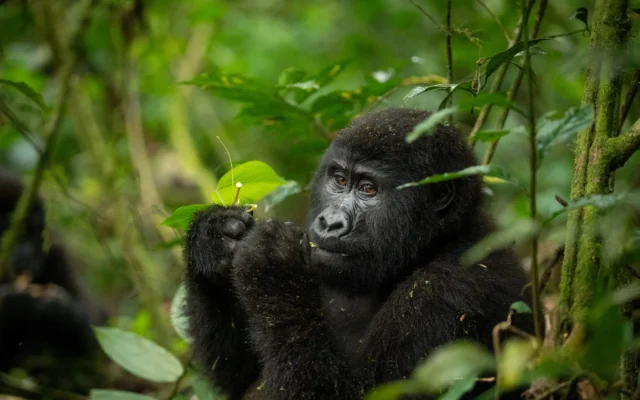
Rainy peaks — March to May and October to November — bring lush Bugoma forest, active breeders, and excellent birding if trails remain passable. Leeches and slick paths require flexibility; afternoon showers may interrupt activities. Hoima hotels remain open — rainforest ecology expects rain.
Murchison pairing
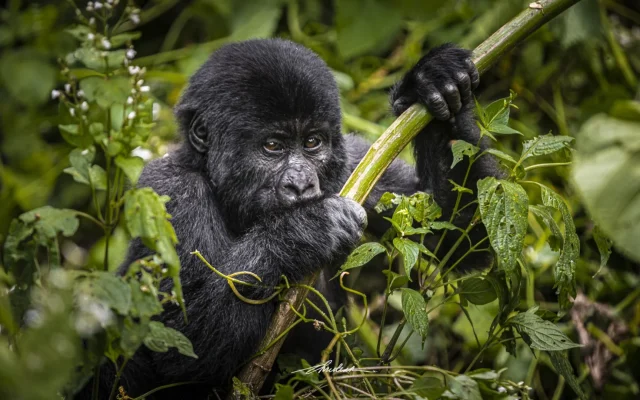
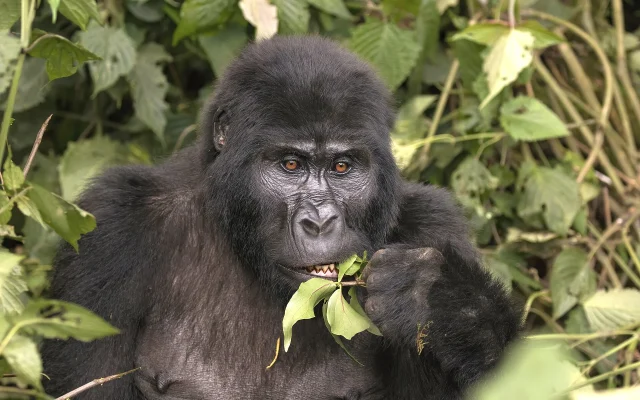
Many travelers use Hoima as a pre-Murchison forest stop — Bugoma chimps or birding, then transfer to Murchison for Big Five and Nile boat. Dry season aligns both forest and savannah legs. Wet season needs buffer days between Hoima forest and Paraa lodge check-in.
Cultural and kingdom calendar
Mparo Tombs and Bunyoro heritage sites operate year-round; confirm local guidance for royal ceremonies or restricted days. Hoima's oil-town growth means construction and traffic vary independently of tourist season — urban timing is flexible.
Comparison with Fort Portal seasonality
Fort Portal and Hoima share western season patterns but different habitat — Kibale chimps vs Bugoma forest, crater lakes vs Lake Albert escarpment. Choose by route geometry, not weather alone.
Month-by-month snapshot
January–February: Dry, strong for forest and Murchison combos.
March–May: Rainier Bugoma; excellent birds with gear.
June–August: Peak travel; book Murchison early.
September: Transition; viable western routes.
October–November: Rain possible; lush Albertine scenery.
December: Holiday demand on western highways.
Combined Hoima–Murchison week logic
Sample seven-night arc: Hoima two nights (Bugoma plus Kabwoya), Murchison three nights (savannah plus delta shoebill search), return via Ziwa Rhino Sanctuary rhino stop — minimal backtracking, maximal habitat variety. Dry season keeps forest tracks and Paraa road transfers predictable within the same week.
Urban growth and booking lead times
Hoima's oil-era expansion adds hotel capacity but also conference demand — book forest guides and city hotels together when dates are fixed. Weekend construction traffic on approach roads is a local nuisance, not a season dealbreaker.
Heat and humidity on rift floor
Hoima and Bugoma sit lower and warmer than Fort Portal — hydrate aggressively on forest walks. Midday rest in town between morning Bugoma and afternoon Kabwoya beats heroic non-stop field schedules in equatorial heat.
Easter and Bunyoro cultural peaks
Holiday weekends increase domestic travel to royal sites and lakeshore — book Mparo Tombs guides and city hotels earlier when Easter or national holidays align with your Albertine week.
Bugoma trail conditions month by month
March–May rains produce excellent forest birds but slick Bugoma paths — leech socks and flexible afternoon scheduling help. June–August dry weeks simplify chimp and birding walks but fill Murchison Falls lodges downstream. September transitions remain viable for Hoima–Bugoma–Murchison combos when you book forest guides before arrival rather than improvising at the gate.
Lake Albert heat and midday pacing
Hoima and Bugoma sit lower and warmer than Fort Portal — schedule Kabwoya escarpment drives for late afternoon when raptors thermally and sidelight improves photography over Lake Albert. Midday rest in town between morning Bugoma and afternoon escarpment beats heroic non-stop field days in equatorial heat.
Semuliki and longer Albertine extensions
Hoima-based weeks can continue south toward Semuliki National Park for hot springs and lowland Congo-basin birds — add two or three nights beyond Hoima rather than treating Semuliki as a same-day dash. Dry-season road windows simplify that extension; rainy months need conservative buffers on rift-floor tracks.
Holiday and conference demand in Hoima
Oil-sector conferences and national holidays occasionally book city hotels independently of safari season — confirm accommodation when your Albertine dates overlap large Bunyoro events. Forest guides at Bugoma should be reserved when hotel nights confirm, not on arrival day only. Shoulder rainy months may offer easier lodge availability at Hoima itself.
Pair with Hoima wildlife and bird watching.