Amboseli National Park — questions travellers ask before booking
Amboseli National Park is a KWS-managed reserve of roughly 392 km² at the foot of Mount Kilimanjaro in southern Kenya. It is famous for large elephant herds at permanent swamps, Kilimanjaro backdrop photography, Observation Hill panoramas, and accessible logistics from Nairobi. It is not a rhino destination and is best appreciated for elephants and scenery rather than Big Five checklist safaris.
Section detail: wildlife, bird watching, best time to visit, getting there.
Worth including on a Kenya safari?
For elephant enthusiasts, photographers, and first-time Kenya visitors — absolutely. Amboseli delivers consistent swamp wildlife, iconic scenery, and manageable park size within easy reach of Nairobi. Travellers with only time for one park who prioritize migration spectacle may choose Maasai Mara National Reserve instead; many combine both.
Kilimanjaro views — realistic expectations
Amboseli offers Kenya's finest Kilimanjaro viewpoints, but cloud cover obscures the summit unpredictably. Dry-season mornings (June–October, January–February) maximize odds. Plan at least one pre-dawn drive and build extra nights for weather flexibility. Elephants and swamps justify the trip even when the peak hides.
Nights, drives, and sample rhythm
Two nights (three days) is the recommended minimum: arrival day transfer, one full game-drive day covering swamps and Observation Hill, and a second full drive day for Kilimanjaro photography attempts and predator searching. One night works for tight schedules but feels rushed. Fly-in packages from Wilson Airport compress transfer time for short breaks.
Elephants and safety
Amboseli's elephants are habituated to responsible safari vehicles but remain wild animals. KWS rules require staying in vehicles except at Observation Hill. Guides manage approach distances — never pressure operators to crowd elephants for photographs. Musth bulls and mothers with calves require extra caution.
Big Five status
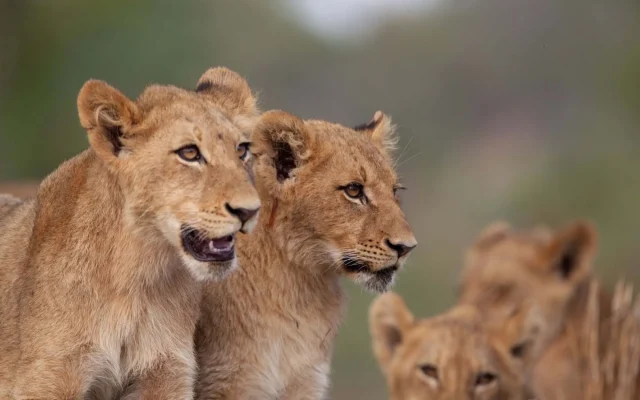
Elephants, lions, buffaloes, and leopards occur in Amboseli. Rhinoceros are not present in the park. Amboseli excels as an elephant and landscape destination — compare with Nairobi National Park for rhino viewing near the capital.
KWS fees and operators
Kenya Wildlife Service collects gate fees for visitors and vehicles. Licensed operators typically include fees in packages. Verify current non-resident rates before travel. Park rules prohibit off-road driving and unauthorized walking.
Combining with other destinations
Natural pairings include Mount Kilimanjaro (views from Amboseli or trekking in Tanzania), Maasai Mara (migration and predators), Tsavo West (volcanic landscapes and Mzima Springs), and Nairobi National Park (pre-safari wildlife near the airport). Multi-country routes linking Kenya with Uganda gorilla trekking are popular through licensed East Africa operators.
Accommodation tiers
Lodges range from luxury Kilimanjaro-view properties to mid-range camps and budget options in Kimana. Central swamp locations minimize drive times. Book dry-season peaks (July–August, Christmas) months ahead. Fly-in guests should confirm airstrip transfer timing with lodges.
Birding and non-elephant interests
With 400+ species, Amboseli rewards birders alongside mammal-focused travellers. Flamingos, pelicans, raptors, and kingfishers inhabit swamp systems visible from standard game drives. Dedicated birding mornings add significantly to life lists.
Photography practicalities
Dust protection for equipment is essential. Telephoto lenses suit elephant portraits; wide-angle lenses capture Kilimanjaro compositions with wildlife foregrounds. Dawn departures are non-negotiable for summit visibility and golden light.
Where to read next
Wildlife and game drives: Amboseli wildlife.
Birding: bird watching.
Seasons: best time to visit Amboseli.
Access: getting to Amboseli.
Main guide: Amboseli National Park destination guide.