Nairobi National Park is the world's only national park bordering a capital city — a KWS-managed landscape where lions, black rhinos, Maasai giraffes, and buffalo herds graze open acacia grassland with Nairobi's skyline rising behind the plains. For travellers arriving at Jomo Kenyatta International Airport or overnighting in the capital before the Maasai Mara National Reserve, few wildlife experiences deliver this much authenticity within a half-day drive of urban hotels.
For visitors planning Kenya wildlife safaris, Nairobi National Park offers a distinctive combination of rhino sanctuary reliability, predator viewing, skyline photography, and gateway efficiency that no remote bush lodge can replicate. Unlike vast savannah reserves requiring multi-day commitments, this compact park rewards dawn game drives from Nairobi Karen, Langata, or Westlands hotels — then connects seamlessly to Mara flights, Amboseli road transfers, or Rift Valley circuits through Lake Nakuru.
Whether you are building an arrival-day buffer after a long-haul flight, a departure-morning wildlife finale before an evening international departure, or a deliberate city-and-bush day combining the park with David Sheldrick Wildlife Trust and Giraffe Centre visits, Nairobi National Park safaris justify their place on every serious Kenya itinerary routed through the capital.
This destination combines naturally with Nairobi, Maasai Mara National Reserve, Amboseli National Park, and Lake Nakuru National Park in a well-planned Kenya safari route.
From dawn drives photographing lions against office towers to rhino encounters in sanctuary grassland, from Athi River hippo pools to 500+ bird species on open plains, Nairobi National Park delivers one of Africa's most singular urban-wildlife experiences.
Quick Facts About Nairobi National Park
| Feature | Details |
|---|---|
| Location | South of Nairobi on Langata Road, Nairobi County, Kenya |
| Established | 1946 — Kenya's first national park |
| Size | Approximately 117 square kilometres |
| Management | Kenya Wildlife Service (KWS) |
| Main Attractions | Skyline game drives, black rhino sanctuary, lions, giraffes, Ivory Burning Site Monument |
| Landscape | Acacia grassland, Athi River wetlands, open plains with urban backdrop |
| Best Time to Visit | Year-round; dry-season dawns (June–October, January–February) for photography and predators |
| Major Wildlife | Black & white rhinos, lions, cheetahs, giraffes, buffalo, zebras, hippos (no elephants) |
| Bird Species | 500+ recorded species |
| Nearest Gateway | Nairobi city centre (approximately 10 km / 15–45 minutes) |
| Airport Access | Jomo Kenyatta International Airport (NBO) — typically 30–90 minutes to park gates |
Overview of Nairobi National Park
Nairobi National Park occupies a unique position in global conservation: wild Africa pressed against urban Africa. Gazetted in 1946 as Kenya's first national park, the reserve protects acacia grassland, seasonal wetlands, and Athi River corridors on the southern fringe of one of Africa's largest cities. Administered by the Kenya Wildlife Service (KWS), the park operates under standard national park fees and track regulations while delivering wildlife encounters that feel impossibly close to international hotels, diplomatic missions, and the glass towers of Nairobi.

The park's fame rests on juxtaposition. Photographers frame Maasai giraffes and lion prides with skyscrapers on the horizon — an image replicated nowhere else on the continent. A fenced black rhino sanctuary within the park supports intensive monitoring and anti-poaching patrols, delivering rhino sightings among the most reliable near any world capital. The Ivory Burning Site Monument commemorates Kenya's historic conservation statement, anchoring the park's identity in national wildlife policy as much as in tourism.
Ecologically, Nairobi National Park is open acacia grassland drained by the Athi River. Permanent water sustains hippos and attracts buffalo, zebra, and antelope concentrations. Lions and cheetahs hunt open plains where visibility favours both predators and safari vehicles. Leopards occur in denser scrub but require patience. Elephants are absent by design — excluded through fencing and management policy to reduce human–wildlife conflict on the metropolitan boundary. Travellers wanting elephant super-abundance add Amboseli National Park or the Maasai Mara to their Kenya circuit.
For safari planners, the park functions as Nairobi's wildlife lung — a morning or full-day game drive that transforms the capital from transit inconvenience into genuine safari territory. Wilson Airport bush flights to the Mara, road convoys west through the Rift Valley, and southbound Amboseli transfers all orbit Nairobi logistics; scheduling a park drive on arrival or departure buffers strengthens itineraries that would otherwise rush past Kenya's most accessible wilderness.
Why Visit Nairobi National Park?
Nairobi National Park earns its place on every Kenya safari shortlist for reasons that remote bush parks cannot match — urban-edge efficiency, rhino reliability, iconic photography, and seamless Nairobi gateway integration.
World's Only Capital-Adjacent National Park
No other major city offers lions and rhinos with skyscrapers on the horizon. The park's global uniqueness justifies inclusion even on tight schedules — a half-day here delivers wildlife authenticity that conservation centres alone cannot replicate.
Rhino Sanctuary Excellence
Black and white rhinos occur within KWS sanctuary zones. Many visitors encounter rhinos on a single morning circuit — essential for travellers who want rhino portraits before longer Mara or Amboseli safaris without dedicating a separate park transfer.
Skyline Photography
Lions, giraffes, and buffalo silhouetted against Nairobi's skyline create among Africa's most distinctive safari images. Dry-season dawn light maximizes clarity on both wildlife and urban backdrop.
Arrival & Departure Buffer Efficiency
International arrivals overnighting in the capital can schedule a dawn drive before Wilson flights or overland Mara departures. Departure-morning circuits suit travellers with evening NBO flights — wildlife without leaving the metropolitan area.
Gateway to Kenya's Flagship Parks
The park sits at the hub of Kenya safari routing: Maasai Mara west, Amboseli south, Lake Nakuru northwest — all launched from Nairobi with the park as the ideal first or final wildlife stop.
Birding & Compact Productivity
With 500+ species and open-country visibility, birders build serious lists on standard game drives. Compact size means rhinos, cats, and giraffes often appear within the first circuit rather than after hours of searching.
Top Things to Do in Nairobi National Park
Nairobi National Park activities centre on guided game drives across grassland plains, Athi River wetlands, and rhino sanctuary zones — with skyline photography, predator tracking, and half-day circuits from Nairobi hotels defining most visitor days. KWS-managed tracks connect key zones within a park compact enough to explore thoroughly in one morning or a full day.
Dawn drives reveal lions on open plains, rhinos in sanctuary grassland, giraffe congregations catching first light, and cheetahs scanning for prey with the city visible beyond. Afternoon circuits revisit Athi River hippo pools and buffalo herds before evening traffic returns travellers to Karen, Westlands, or airport-zone hotels.
Travellers with extra time in Nairobi often combine park drives with David Sheldrick Wildlife Trust (11:00 a.m. public visit), Giraffe Centre feeding platforms, Karen Blixen Museum, and Karura Forest trails on efficient same-day city-and-wildlife routing.
Game Drives
Morning and afternoon wildlife safaris across grassland, Athi River tracks, and rhino sanctuary zones.
Explore Nairobi National Park Wildlife & Game Drives
Skyline Wildlife Photography
Photograph lions, giraffes, and rhinos with Nairobi's skyline — Africa's most distinctive urban-wildlife compositions.
Rhino Viewing
Search sanctuary zones for black and white rhinos — among the most reliable rhino encounters near any world capital.
Ivory Burning Site Monument
Visit the historic conservation landmark commemorating Kenya's anti-poaching legacy within the park.
Predator & Cat Tracking
Explore open plains and woodland margins for lions, cheetahs, and occasional leopard sightings.
Bird Watching
Discover 500+ species from ostriches and secretary birds to raptors, kingfishers, and riverine specialists.
Explore Nairobi National Park Bird Watching
Learn more about things to do in Nairobi
Game Drives in Nairobi National Park
Game drives are the foundation of every Nairobi National Park safari. The park's modest size and open terrain make vehicle-based viewing exceptionally productive — rhinos, lions, giraffes, and buffalo often appear within the first circuit rather than after hours of searching across vast plains.
Morning drives departing at or before sunrise deliver cooler temperatures, active predators, and golden light on both wildlife and skyline. Lion prides may still be visible on grassland after night activity, rhinos graze sanctuary zones in soft dawn light, and cheetahs hunt open plains where photographers capture the impossible city-wildlife juxtaposition.
Afternoon drives reveal different behaviour: buffalo herds gathering at Athi River margins, hippos in deeper pools, and raptors hunting over grassland. Midday heat pushes cats into shade — dawn remains the priority for serious wildlife enthusiasts.
Key game-drive zones within Nairobi National Park include:
- Main Gate / Langata circuits — skyline photography and rhino searching near the city edge
- Open grassland plains — cheetah and lion scanning, giraffe and zebra congregations
- Athi River tracks — hippo pools, riverine birds, and lion territories along permanent water
- Rhino sanctuary sectors — fenced zones for black and white rhino encounters
- Ivory Burning Site area — conservation landmark and photographic stop
Wildlife commonly encountered during game drives in Nairobi National Park includes:
- Black and white rhinos
- Lions
- Cheetahs
- Maasai giraffes
- African buffaloes
- Plains zebras and antelope
- Hippos along the Athi River
- Ostriches and grassland birds
KWS regulations require staying on designated tracks and remaining in vehicles except at designated picnic sites with ranger presence. Licensed guides know current rhino territories, cat movement patterns, and the best skyline vantage positions.
Rhino Sanctuary at Nairobi National Park
Nairobi National Park's rhino programme delivers among Africa's most accessible rhino viewing — a fenced sanctuary within the park where KWS maintains both black rhinos and white rhinos under intensive protection. For travellers routing through Nairobi who may not reach Lake Nakuru's larger sanctuary or remote bush reserves, this urban-edge population transforms a capital stopover into genuine rhino country.
Many visitors encounter both species on a single morning drive — an outcome that requires exceptional luck in most African parks but reflects standard Nairobi National Park planning. Rhino approach etiquette matters: guides manage distances and engine noise; visitors should never pressure operators to crowd rhinos for photographs.
Wildlife in Nairobi National Park
Nairobi National Park wildlife thrives in grassland and riverine habitat compressed against an urban boundary. Predators, herbivores, and Athi River species interact across short distances — creating dense viewing that distinguishes the park from vaster Kenyan reserves reached only after long transfers from Nairobi.
Predators
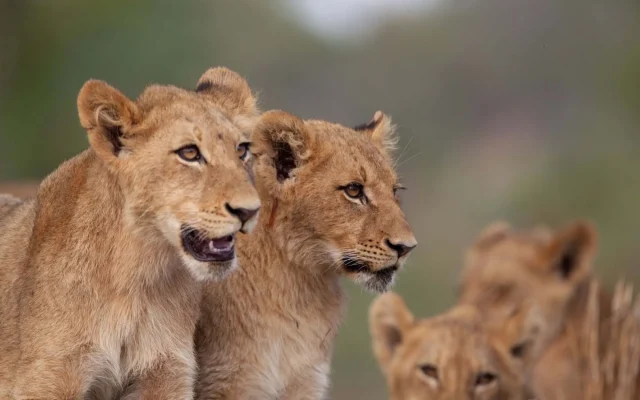
Lion prides patrol open grassland and woodland margins. Cheetahs hunt plains where visibility favours photographers. Leopards occur but require patience in denser scrub. Spotted hyenas scavenge throughout the park.
Rhinos & Herbivores
Black and white rhinos define the sanctuary story. Maasai giraffes, plains zebras, Coke's hartebeest, impalas, warthogs, and substantial buffalo herds graze grassland. Hippos inhabit Athi River sections. Elephants are absent — add Amboseli for elephant super-abundance.
Read full Nairobi National Park wildlife guide
Bird Watching in Nairobi National Park
With more than 500 bird species recorded, Nairobi National Park bird watching ranks among the finest urban-edge avifauna experiences in East Africa. Ostriches, secretary birds, kori bustards, martial eagles, and Athi River kingfishers reward both dedicated listers and general safari travellers on standard game drives from Nairobi.
Birding integrates naturally with rhino and cat drives — dawn hours are particularly productive. Combine park morning birding with Nairobi forest trails at Karura or Rift Valley lakes including Lake Nakuru on broader Kenya circuits.
Read full Nairobi National Park bird watching guide
Best Time to Visit Nairobi National Park
The best time to visit Nairobi National Park depends on skyline photography priorities, predator activity, and Nairobi traffic patterns around airport and Wilson flight connections. The park rewards visitors in every month — though dry-season dawns and time-of-day choices shape results as much as season.
Dry Season (June to October & January to February)
Dry months improve track conditions, concentrate wildlife near the Athi River, and deliver classic golden-hour skyline photography. These windows align with peak Kenya safari travel and Mara migration season.
Green Season (March to May & November to December)
Rains green the plains and boost bird breeding activity. Wildlife remains visible though afternoon showers and Nairobi traffic complicate tight flight connections — build buffer time on park days during long rains.
Dawn Entry Essential
Gates open around 6:00 a.m. — serious photographers and cat enthusiasts should prioritize first-light circuits before heat and urban rush hour intensify.
Read full best time to visit guide
How to Get to Nairobi National Park
Reaching Nairobi National Park is straightforward by road from Nairobi hotels — Langata Road approaches the Main Gate roughly 10 kilometres south of the central business district, typically 15 to 45 minutes from Karen or Langata depending on traffic.
From Nairobi Hotels
Karen and Langata suburbs sit closest to park gates and pair naturally with Sheldrick, Giraffe Centre, and Karen Blixen Museum visits. Westlands and central Nairobi transfers add distance. Airport-zone hotels suit late arrivals with next-morning park drives before NBO departures.
From Jomo Kenyatta Airport (NBO)
International arrivals typically overnight in Nairobi before a dawn park drive. Budget 30 to 90 minutes from NBO to gates depending on traffic and hotel zone.
Park Fees & KWS Entry
KWS collects entry fees at gates for visitors and vehicles separately. Licensed operators typically handle payments as part of Nairobi city-and-park packages.
Where to Stay for Nairobi National Park
There is no lodge accommodation inside Nairobi National Park. Visitors overnight in Nairobi city hotels and transfer to the park for morning or full-day game drives — a model that keeps the capital as safari gateway rather than bush destination.
Karen & Langata
Closest to park gates, Sheldrick Wildlife Trust, Giraffe Centre, and Karen Blixen Museum — favoured by safari operators for dawn drive efficiency.
Westlands & Gigiri
Suit Wilson Airport access for Mara bush flights and upscale dining — add transfer time to Langata Road gates.
Airport Zone
Late arrivals and very early international departures — confirm whether dawn park drives are feasible before NBO check-in times.
Book Nairobi hotels when confirming park drives, Mara flight dates, and Sheldrick timed visits on the same itinerary.
Nairobi National Park Safari Tours
Nairobi National Park safari tours suit arrival and departure buffers, first-time Kenya visitors, photographers, families, and travellers routing through Nairobi before Mara, Amboseli, or cross-border gorilla trekking.
Half-Day Park Safari from Nairobi
The classic option — dawn game drive with rhino, lion, and skyline photography, returning to city hotels by late morning for Sheldrick or airport transfers.
Explore Nairobi National Park Day Safaris
Full-Day Nairobi Wildlife & City Circuit
Combine park morning drives with Sheldrick orphanage, Giraffe Centre, and Karen cultural stops — the definitive Nairobi city-and-wildlife day.
Explore Nairobi City & Park Packages
Nairobi & Maasai Mara Circuit
Park buffer morning before Wilson flight or road transfer to the Mara — migration, predators, and savannah scale after urban-edge wildlife.
Kenya Highlights Safari
Link the park with Maasai Mara, Amboseli, and Lake Nakuru on classic multi-park routes from Nairobi.
East Africa Gorilla & Savannah Combo
Pair Kenya capital wildlife with mountain gorilla trekking in Bwindi Impenetrable National Park (Uganda) or Volcanoes National Park (Rwanda) — Nairobi aviation links both primate circuits.
Photography & Birding Safaris
Specialist departures focused on skyline compositions, rhino portraits, and 500+ species on urban-edge grassland.
Nairobi National Park FAQs
- Is Nairobi National Park worth visiting?
-
Absolutely. Nairobi National Park is the world’s only wildlife reserve bordering a capital city — offering reliable rhino viewing, lion and giraffe encounters, and iconic skyline photography minutes from Nairobi hotels and the international airport.
- Why is Nairobi National Park famous?
-
Wild animals grazing with a modern city skyline behind them — a juxtaposition found nowhere else on Earth. The park also pioneered Kenya’s national park system (1946) and hosts a major black rhino sanctuary.
- Can you see the Big Five in Nairobi National Park?
-
Lions, buffalo, leopards (occasionally), and rhinos occur in the park. Elephants are absent by design. It is best appreciated for rhinos, cats, and skyline scenery rather than a complete Big Five checklist.
- Why are there no elephants in Nairobi National Park?
-
Elephants were excluded through fencing and management policy to reduce human–wildlife conflict on Nairobi’s urban boundary. Add Amboseli or the Maasai Mara for elephant-focused safaris.
- How far is Nairobi National Park from the airport?
-
Jomo Kenyatta International Airport (NBO) lies roughly 20–30 kilometres from park gates — typically 30–90 minutes by road depending on traffic and hotel location.
- How long should I spend in Nairobi National Park?
-
A half-day (three to five hours) suits most visitors. Photographers and birders may prefer a full day. Overnight in Nairobi city hotels — there is no lodge accommodation inside the park.
- Can I visit Nairobi National Park on arrival day?
-
Yes, if you overnight in Nairobi first. Many travellers schedule a morning drive on Day 2 before flying to the Mara or driving to Amboseli — dawn entry delivers the best wildlife and photography.
- Is Nairobi National Park good for photographers?
-
Yes. Lions, rhinos, and giraffes with skyscrapers on the horizon create among Africa’s most distinctive safari images. Dry-season dawn light maximizes skyline clarity.
- Can I self-drive in Nairobi National Park?
-
Yes, with KWS fee payment and a suitable vehicle. Most international visitors book guided drives through licensed Nairobi operators for rhino knowledge and efficient hotel transfers.
- Is Nairobi National Park managed by Kenya Wildlife Service?
-
Yes. Nairobi National Park is KWS-administered with standard gate fees, track regulations, and a fenced black rhino sanctuary within the park boundary.
Nearby Destinations to Combine with Nairobi National Park
One of the greatest strengths of Nairobi National Park is its position within Nairobi's safari network. The park connects logically to Kenya's flagship reserves, Rift Valley lakes, and cross-border gorilla trekking destinations — all launched from the capital after a morning rhino-and-skyline circuit.
Nairobi
Kenya's capital is the gateway for every Nairobi National Park game drive — Karen and Langata hotels sit closest to Langata Road gates, while NBO airport transfers and Wilson bush flights to the Mara launch from the city.
Maasai Mara National Reserve
The Maasai Mara continues the Kenya safari story west of Nairobi — migration spectacle, predator density, and vast grasslands reached by road convoy or daily Wilson Airport flights after a park morning in the capital.
Amboseli National Park
Amboseli adds elephant super-abundance and Kilimanjaro summit views south of Nairobi — the classic complement when Nairobi National Park's rhino-and-skyline focus leaves elephant herds for a longer southern Kenya leg.
Lake Nakuru National Park
Lake Nakuru pairs naturally on Rift Valley routes northwest from Nairobi — rhino sanctuary reliability, flamingo-lined shores, and compact game drives between capital wildlife and western Kenya savannah.
Lake Naivasha
Freshwater Lake Naivasha offers boat trips, hippo viewing, and Rift Valley birding on loops that combine a Nairobi National Park morning with Hell's Gate cycling or lakeside relaxation.
Nearby destinations to combine
Plan Your Nairobi National Park Safari
Nairobi National Park remains one of Africa's defining urban-wildlife destinations — a landscape where rhinos graze sanctuary grassland, lions command open plains, and Maasai giraffes browse with skyscrapers on the horizon. Whether you arrive by road from Nairobi Karen hotels or schedule a departure-morning drive before an evening NBO flight, the park delivers concentrated wildlife encounters that strengthen every Kenya safari itinerary.
From dawn skyline photography to Athi River hippo pools, from Ivory Burning Site reflection to rhino portraits in golden light, every moment at Nairobi National Park connects travellers to Kenya's deepest conservation traditions — without leaving the metropolitan area.
Our expertly crafted Kenya safari tours from Nairobi can be customized to match your travel dates, arrival logistics, photography goals, and onward Mara or Amboseli routing.
Whether you prefer a half-day park escape, a full Nairobi city-and-wildlife circuit, or a gorilla-and-savannah combination linking Kenya with Bwindi or Volcanoes, we can help design the ideal safari experience.