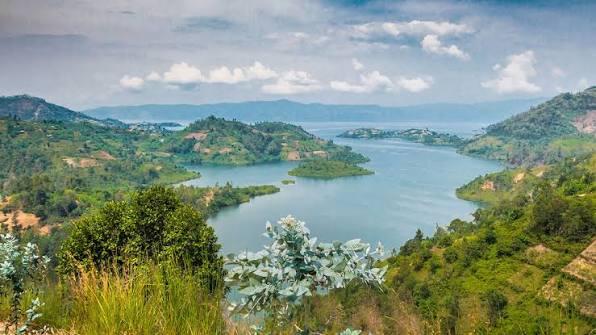
Lake Kivu is Rwanda’s largest freshwater lake and one of East Africa’s most rewarding lakeside destinations — celebrated for dramatic rift-valley scenery, Virunga volcano views, boat cruises, island exploration, swimming, coffee culture, and its essential role as a post-gorilla recovery stop on Rwanda safari circuits. Stretching along Rwanda’s western border with the Democratic Republic of Congo, the lake offers a restorative contrast to the physical demands of mountain gorilla trekking and montane forest hiking.
For travelers seeking scenic relaxation, honeymoon escapes, photography, gentle adventure, or unhurried days between primate parks, Lake Kivu tours deliver exceptional atmosphere and commercial value within Rwanda’s highest-converting itineraries.
Located between Volcanoes National Park in the north and Nyungwe National Park in the south, with Kigali and Musanze as the main access hubs, Lake Kivu integrates seamlessly into gorilla safaris, chimpanzee forest circuits, and broader East Africa routing.
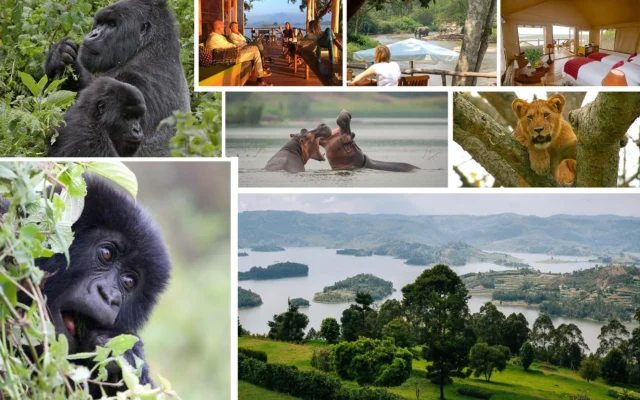
With calm swimmable water, scattered islands, fishing villages, lakeside promenades, boutique lodges, and world-class boat experiences, Lake Kivu safaris offer a softer, slower-paced side of Rwanda travel that complements — rather than competes with — the country’s primate and wildlife parks.
Whether you are planning a post-gorilla relaxation escape, a Nyungwe forest extension, a romantic lakeside retreat, or a comprehensive western-corridor Rwanda itinerary, Lake Kivu tours deliver remarkable tranquility, visual beauty, and practical safari logistics.
Quick Facts About Lake Kivu
| Feature | Details |
|---|---|
| Location | Western Rwanda, along the DRC border |
| Main Tourism Bases | Gisenyi (Rubavu), Karongi (Kibuye), Cyangugu (Rusizi) |
| Lake Area | Approximately 2,700 km² (shared with DRC) |
| Elevation | About 1,460 metres above sea level |
| Main Attractions | Boat cruises, island visits, swimming, kayaking, coffee tours, lakeside relaxation |
| Landscape | Rift-valley lake, volcanic backdrop, terraced hills, fishing communities |
| Best Time to Visit | Year-round; drier months June–September and December–February |
| Best For | Post-gorilla recovery, honeymoon travel, scenic escapes, Nyungwe extensions |
| Nearby Safari Destinations | Volcanoes NP, Musanze, Nyungwe, Kigali |
| Water Activities | Boat trips, kayaking, swimming, fishing |
| Travel Style | Scenic, leisure, safari extension |
Overview of Lake Kivu
Lake Kivu is one of Africa’s great rift lakes — deep, scenic, and culturally rich along both Rwandan and Congolese shores. Unlike savannah parks where game drives define the experience, Lake Kivu rewards travelers who want to slow down: morning swims, afternoon boat trips, sunset drinks above the water, and unhurried conversations with fishing communities whose wooden boats have worked these bays for generations.
The lake’s unusual ecology sets it apart. There are no hippos and no crocodiles in tourism zones — a rarity among large African lakes that makes designated swimming areas at lakeside lodges genuinely inviting. Deep methane-rich water is scientifically fascinating and commercially extracted in places, but monitored tourism shorelines remain safe for the boat trips and beach time that define most visitor experiences.

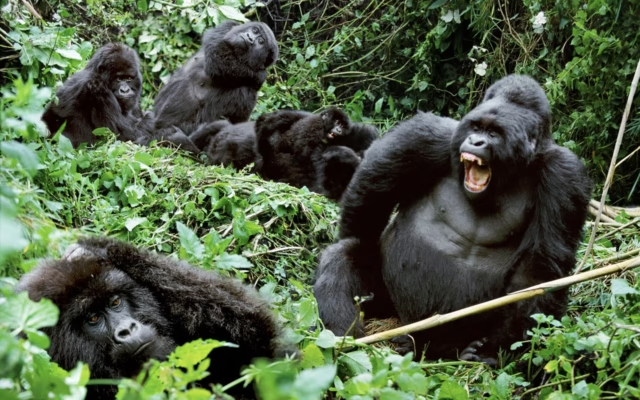
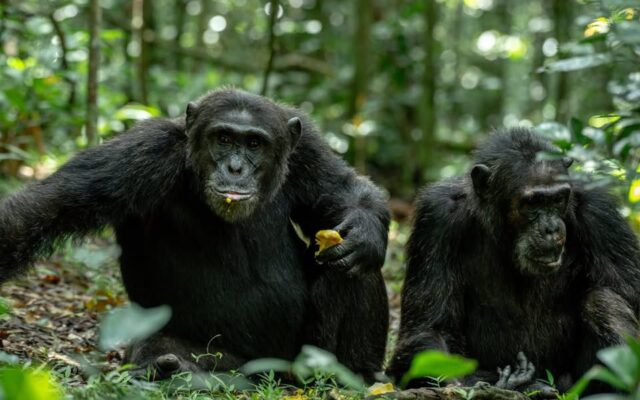
For many travelers, Lake Kivu tours serve as the perfect decompression after mountain gorilla trekking in Volcanoes National Park or chimpanzee hiking in Nyungwe. Others visit specifically for honeymoon atmosphere, volcano photography from the Rubavu shore, Congo Nile Trail cycling, or a standalone scenic escape from Kigali.
Popular experiences include sunset cruises from Gisenyi, half-day boat trips to Napoleon Island’s bat colony near Karongi, kayaking in quiet bays, coffee-farm visits in the hills above the lake, and leisurely walks along Rubavu’s lakeside promenade with views toward the Virunga peaks.
Lake Kivu integrates exceptionally well into Rwanda’s western safari corridor and is the country’s most commercially important complementary destination for gorilla safari travelers.
Why Visit Lake Kivu?
Lake Kivu offers one of Rwanda’s most universally appealing travel experiences outside the primate forests.
Perfect Post-Gorilla Relaxation
After strenuous mountain trekking, few destinations are better for scenic recovery. Gisenyi (Rubavu) sits roughly one hour west of Musanze — close enough for same-day transfer after a gorilla trek, calm enough to let sore muscles recover.
Outstanding Scenic Beauty
The rift-valley lake, terraced hillsides, and volcanic silhouettes across the water toward DRC create visually extraordinary settings — especially at golden hour from Rubavu lodges.
Swimmable Fresh Water
Without hippos or crocodiles in visitor areas, Lake Kivu is among Africa’s most inviting large lakes for recreational swimming from reputable lodge beaches.
Excellent Honeymoon Destination
Peaceful atmosphere, boutique lakeside properties, and sunset boat culture make Lake Kivu highly attractive for romantic safari extensions.
Flexible Activity Options
Boat trips, kayaking, island visits, coffee tours, cycling, and cultural walks provide varied experiences without demanding physical exertion.
Strong Safari Integration
The destination combines naturally with Volcanoes gorilla trekking, Nyungwe forest circuits, and Kigali gateway logistics — often as the scenic glue between primate parks.
Top Things to Do at Lake Kivu
Lake Kivu tours focus on scenic immersion, water experiences, relaxation, and light adventure — not Big Five game drives.
Boat Cruises and Island Trips
The signature scenic experience — from Rubavu sunset cruises to Kibuye island circuits.
Swimming and Lakeside Relaxation
Calm, swimmable water at lodge beaches — ideal post-trek recovery.
Kayaking and Paddle Sports
Quiet morning sessions in sheltered bays near Gisenyi and Karongi.
Coffee Tours
Rwanda’s western hills produce excellent coffee; many lodges arrange farm visits above the lake.
Congo Nile Trail
Multi-day trekkers and day cyclists follow this renowned trail along ridges above the lake.
Bird Watching
Lakeshore kingfishers, fish eagles, and garden species — relaxed birding without forest trekking.
Boat Trips on Lake Kivu
Boat trips on Lake Kivu are the defining experience of every visit. Exploring the lake by boat reveals its scale, island geography, fishing culture, and volcanic backdrop in ways no road transfer can match.
From Gisenyi (Rubavu), popular options include one- to two-hour sunset cruises with drinks, morning scenic loops toward the DRC border viewpoints, and private charters for photography. The town’s lakeside promenade makes boat departure logistics easy for travelers staying in central Rubavu properties.
From Karongi (Kibuye), half-day excursions often target Napoleon Island — home to a large fruit-bat colony — and Amahoro Island for picnic stops. Central-lake scenery here feels quieter and more peninsula-focused than the open northern shore near Rubavu.
Experiences may include:
- sunset and sunrise cruising
- island landings and bat-colony viewing
- fishing village approaches
- photography of volcano silhouettes
- bird watching from the water
- picnic and champagne charters for honeymoons
For travelers recovering after gorilla trekking, a gentle afternoon boat trip often becomes the most memorable non-primate moment of a Rwanda safari.
Swimming and Lakeside Relaxation
Swimming at Lake Kivu is one of the destination’s distinctive appeals. The absence of hippos and crocodiles in tourism areas — combined with mild highland temperatures — makes lodge beaches and designated swim zones genuinely inviting.
Water temperature stays comfortable year-round at roughly 1,460 metres elevation. Many travelers plan their first post-trek swim within hours of arriving from Musanze, trading muddy boots for calm freshwater.
Relaxation-focused itineraries might include:
- morning swims before breakfast
- afternoon reading on lodge decks
- spa treatments at premium properties
- unhurried lakeside dining
- early nights after strenuous forest days
This is precisely why Lake Kivu sits at the center of Rwanda’s post-gorilla commercial circuit — it solves the recovery problem elegantly without requiring another flight or long transfer.
Gisenyi (Rubavu) and Karongi (Kibuye)
Understanding Lake Kivu requires understanding its two main tourism shores — they serve different itinerary shapes.
Gisenyi (Rubavu) — Northern Shore
Gisenyi, widely known as Rubavu, is the primary base for travelers coming from Volcanoes National Park and Musanze. The town offers lively lakeside dining, a public beach and promenade, border proximity to Goma (DRC), and strong lodge density from mid-range to luxury.
Volcano views toward the Virunga range photograph best from Rubavu on clear mornings — a compelling reason to choose the northern shore after gorilla trekking even if your wider circuit also includes Nyungwe.
Karongi (Kibuye) — Central Shore
Karongi, traditionally called Kibuye, anchors central-lake tourism with peninsula scenery, hillside lodges, and the classic Napoleon Island boat circuit. It suits travelers routing between Nyungwe and the northern lake, or those who want quieter water and more intimate lodge settings.
Longer itineraries sometimes spend one night in Rubavu after gorillas and one night in Kibuye before or after Nyungwe — treating the lake as a two-night scenic corridor rather than a single-town stop.
Post-Gorilla Recovery at Lake Kivu
Post-gorilla recovery at Lake Kivu is the destination’s strongest commercial story. Mountain gorilla trekking in Volcanoes National Park demands steep forest walking, variable mud, and emotional intensity when families are finally encountered. Travelers often return to Musanze exhausted yet exhilarated.
Transferring west to Gisenyi the same afternoon or following morning — rather than driving back to Kigali immediately — has become standard practice among quality Rwanda operators. The roughly one-hour road leg is short enough to feel effortless yet long enough to transition mentally from forest adrenaline to lake calm.
Recovery-focused stays typically include:
- one or two nights at a lakeside lodge
- afternoon swim or spa session on trek day
- sunset boat cruise the following evening
- slow breakfast with volcano views
- optional coffee tour or promenade walk
Travelers combining gorillas with Nyungwe often position Lake Kivu between the two primate parks — gorillas first, lake recovery, then chimpanzee trekking south — or reverse depending on permit dates.
Bird Watching at Lake Kivu
Bird watching at Lake Kivu rewards patient observers without demanding another forest trek. Kingfishers, fish eagles, weavers, swallows, and lakeshore herons appear along boat routes and lodge gardens — ideal for travelers whose legs need rest after gorilla day.
Lake Kivu is not a substitute for Nyungwe’s Albertine Rift forest specialists, but it adds a relaxed waterbird chapter to primate-focused itineraries. See our dedicated bird watching at Lake Kivu page for species notes and technique.
Best Time to Visit Lake Kivu
The best time to visit Lake Kivu depends mainly on your wider Rwanda itinerary, though the destination remains attractive throughout the year.
Drier Periods
Popular travel windows generally include:
- June through September
- December through February
During these months, boat conditions, photography clarity, road transfers from Kigali and Musanze, and outdoor lodge dining are especially comfortable.
Rainier Periods
March to May and October to November bring lush green hillsides, dramatic mist, and atmospheric clouds over the water. Boat trips still run; pack rain gear and build flexibility into outdoor plans.
Full seasonal detail: best time to visit Lake Kivu.
Who Should Visit Lake Kivu?
Lake Kivu is especially rewarding for:
- gorilla safari travelers seeking recovery nights
- Nyungwe forest visitors wanting a lake transition
- honeymooners and couples
- photographers chasing volcano and water reflections
- families with older children who swim
- travelers who prefer scenery over savannah game drives
- active visitors cycling sections of the Congo Nile Trail
Its versatility makes it Rwanda’s most important non-primate complementary destination.
Weather and Climate at Lake Kivu
Lake Kivu enjoys a mild highland climate shaped by rift-valley elevation and open water. Daytime temperatures commonly feel pleasant rather than hot; evenings can cool enough for a light layer after sunset boat trips.
Rainfall occurs throughout the year, but swimming and boating remain viable across seasons. Drier months simplify road logistics on transfers from Kigali and Nyungwe.
Travelers planning Lake Kivu tours should pack swimwear, sunscreen, a light rain jacket, and comfortable walking shoes for promenade and coffee-farm visits.
How to Get to Lake Kivu
Accessing Lake Kivu is straightforward within Rwanda’s western road network.
From Kigali
Road travel from Kigali to Gisenyi (Rubavu) takes roughly 2.5–3 hours on good tarmac. To Karongi (Kibuye), allow roughly 3–3.5 hours.
From Musanze and Volcanoes National Park
After gorilla trekking, Gisenyi is roughly one hour west of Musanze — the classic post-trek transfer.
From Nyungwe National Park
Karongi (Kibuye) sits roughly 2–3 hours north of Nyungwe depending on trailhead and road conditions.
Detailed routing: how to get to Lake Kivu.
Where to Stay at Lake Kivu
Accommodation at Lake Kivu ranges from luxury lakeside resorts and romantic boutique retreats to comfortable mid-range hotels and practical traveler options in Rubavu and Karongi towns.
Luxury Lakeside Lodges
Premium travelers often prioritize volcano views, private lakeshore access, spa facilities, and sunset boat decks — especially on the Rubavu shore after gorilla trekking.
Mid-Range Accommodation
Comfortable properties in both Gisenyi and Karongi provide excellent value for gorilla-and-lake circuits.
Choosing Your Shore
Stay in Gisenyi (Rubavu) when coming from Volcanoes; choose Karongi (Kibuye) when combining with Nyungwe or seeking central-lake island trips.
Lake Kivu Tours and Itineraries
Lake Kivu tours are highly flexible safari extensions.
3–4 Day Gorilla and Lake Escape
Kigali, gorilla trek in Volcanoes, one or two nights at Lake Kivu — Rwanda’s most popular short circuit.
6–8 Day Gorilla, Lake, and Nyungwe
Volcanoes gorillas, Lake Kivu recovery, Nyungwe chimps and canopy walk — the definitive western Rwanda arc.
Lake Kivu Honeymoon Extensions
Romantic lodges, private boat charters, and unhurried two-night stays on the Rubavu or Kibuye shore.
Kigali Gateway Stays
Some travelers open or close Rwanda journeys with a lake night before international departure from Kigali — roughly three hours’ transfer when flights allow.
Lake Kivu FAQs
- Is Lake Kivu worth visiting?
-
Yes. Lake Kivu offers spectacular lakeside scenery, boat cruises, swimming, island visits, and ideal post-gorilla recovery on Rwanda safari circuits.
- What is Lake Kivu famous for?
-
Rwanda’s largest lake, Virunga volcano views, boat trips to islands such as Napoleon and Amahoro, swimmable water without hippos or crocodiles, and its role as a relaxation stop after gorilla trekking.
- Is Lake Kivu good after gorilla trekking?
-
Yes. It is Rwanda’s most popular post-trek recovery destination — typically one to two nights in Gisenyi (Rubavu) after Volcanoes National Park, with easy transfers from Musanze.
- Where should I stay on Lake Kivu?
-
Gisenyi (Rubavu) suits gorilla-circuit extensions and volcano views. Karongi (Kibuye) suits central-lake scenery and Nyungwe combinations. Many travelers split nights between both shores on longer itineraries.
- How many nights should I spend at Lake Kivu?
-
One night works as a scenic buffer after gorillas; two nights allow relaxed boat time, swimming, coffee tours, and unhurried transfers to or from Nyungwe.
- Is Lake Kivu safe for swimming?
-
Yes in designated tourism areas. The lake has no hippos or crocodiles, and shoreline resorts monitor conditions. Follow lodge guidance and avoid swimming alone far from shore.
Nearby Destinations to Combine with Lake Kivu
One of the greatest strengths of visiting Lake Kivu is its position on Rwanda’s western primate corridor. The lake combines effortlessly with gorilla trekking, chimpanzee forest experiences, and capital gateway logistics — making it essential to well-designed Rwanda safaris rather than an optional scenic detour.
Volcanoes National Park
Mountain gorilla trekking — Lake Kivu is the classic post-trek recovery stop, typically reached in about an hour from Musanze to Gisenyi.
Musanze
Rwanda's main gorilla-trekking hub between Kigali and Volcanoes NP — most travelers transfer from Musanze to Lake Kivu after their trek.
Kigali
Capital and international gateway — roughly 2.5–3 hours by road to Gisenyi (Rubavu) on the northern lake shore.
Nyungwe National Park
Chimpanzee trekking and canopy walk in southern Rwanda — Karongi (Kibuye) on Lake Kivu is a natural forest-to-lake extension.
Nearby destinations to combine
Plan Your Lake Kivu Escape
Lake Kivu remains Rwanda’s most beautiful and commercially important lakeside destination — offering rift-valley landscapes, swimmable water, boat culture, volcano views, romantic atmosphere, and exceptional post-gorilla extension value.
Whether you are planning recovery after mountain gorilla trekking, a forest-to-lake transition from Nyungwe, a honeymoon retreat, or a comprehensive Kigali–Volcanoes–Lake Kivu circuit, Lake Kivu tours offer unforgettable tranquility beside one of Africa’s most distinctive great lakes.
From peaceful sunset cruises and island bat colonies to morning swims and coffee hills above the shore, every journey along Lake Kivu offers restorative and memorable travel experiences.
Our expertly designed Rwanda safari tours can be customized around your gorilla permits, lakeshore preferences, Nyungwe dates, and broader East Africa routing goals.
Whether you prefer luxury Rubavu lodges, quiet Karongi peninsulas, post-trek recovery stays, or comprehensive primate-and-lake circuits, we can help create the perfect experience.