Home FAQ Planning & logistics

What Photography Subjects Can Be Captured In The Serengeti

Direct answer

Serengeti photography subjects include Great Migration herds and river crossings, big cats hunting on open plains, cheetah on termite mounds, elephant family groups, giraffe silhouettes at sunset, kopje lions, balloon panoramas, and seasonal predator–prey interaction from calving in Ndutu to crocodile strikes in the Mara River zone. Light, dust, and vast horizons make the Serengeti a landscape and wildlife studio in one — best in dry season golden hours with telephoto and wide-angle lenses ready.

<h2 id="photography-subjects-in-the-serengeti">Photography subjects in the Serengeti

The Serengeti is not a single backdrop — it is a moving theatre of grass, sky, and muscle. Photographers arrive for migration chaos but stay for quiet moments: a cheetah scanning from a termite castle, backlit dust from zebra hooves, or a lioness teaching cubs to stalk in gold grass. Knowing what subjects appear where — and when — separates a lucky snapshot from a portfolio week.

Great Migration — the headline subject

More than one million wildebeest and hundreds of thousands of zebra circulate through the ecosystem. Key photo moments:

  • Calving season (Ndutu, roughly January–March) — newborn wildebeest, predator kills, cheetah acceleration
  • Northward movement (April–June) — columns stretching to horizon, dust clouds at dawn
  • River crossings (Grumeti/Mara, variable) — crocodile strikes, panic composition, mid-air leaps

Crossings are unpredictable — budget multiple days on the Mara River or Grumeti if crossings are the goal.

Big cats — lion, leopard, cheetah

Serengeti predators are habituated to vehicles — offering eye-level portraits if guides position respectfully.

  • Lions — pride on kopjes, mating pairs, cubs in grass; Central Seronera reliable year-round
  • Leopards — riverine trees in Seronera and private concessions; low density but iconic when found
  • Cheetahs — open plains hunts; Ndutu and Eastern Serengeti strongholds

Fast shutter (1/2000s+), continuous AF, and patience for hunts that fail nine times before success.

Elephants, buffalo, and megafauna

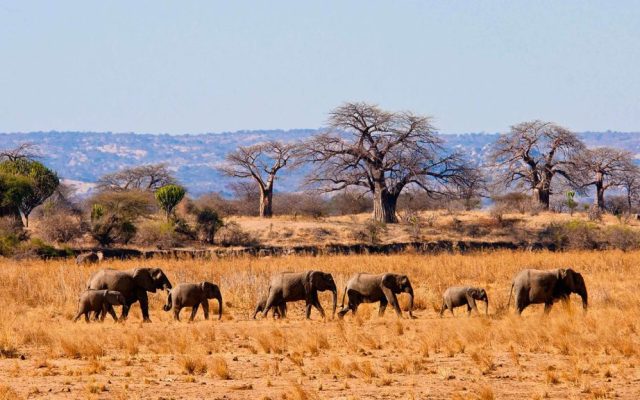
Elephant family groups cross plains near water; buffalo herds create black-and-gold texture in long lenses. Giraffes provide elegant silhouettes at sunset — wide-angle environmental portraits with acacia forks framing necks.

Kopjes and landscape drama

Granite outcrops (kopjes) dot the plains — lions use them as thrones; photographers use them as foreground anchors. Storm light in green season (November–May) adds purple skies; dry season (June–October) delivers orange dust and clean horizons.

Hot-air balloon photography

Dawn balloon flights offer aerial migration patterns and shadow trails across grass — unique subject matter impossible from ground vehicles. Ultra-wide lenses and fast ISO changes as light ramps. Book early in peak season.

Birds often overlooked

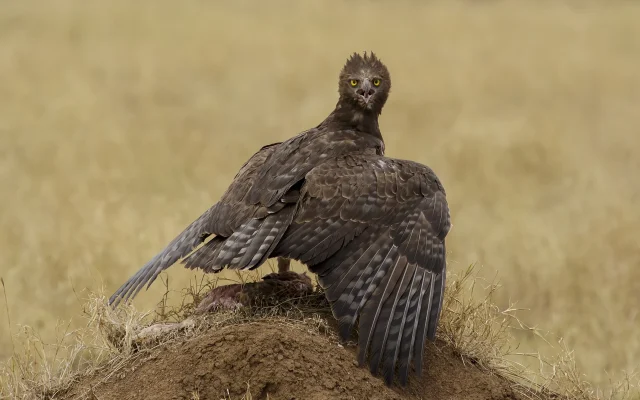
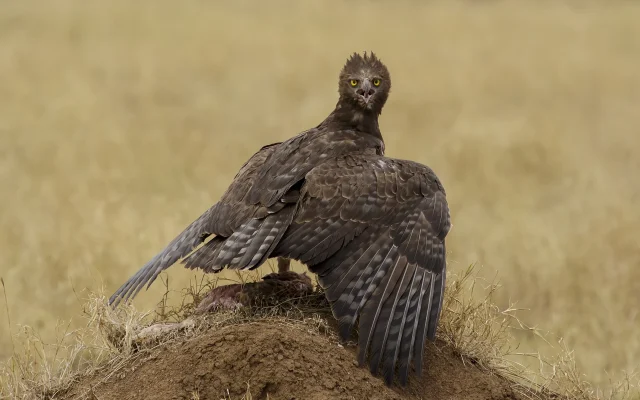
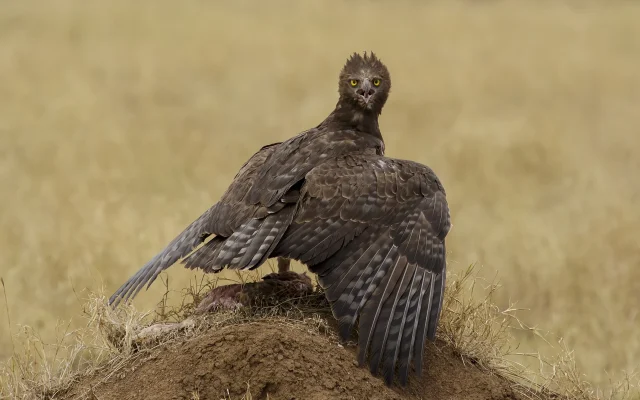
Ostrich, secretary birds, kori bustards, crowned cranes, vultures on kills, and raptors on thermals add diversity between mammal drives. Super-tele stills of carmine bee-eater colonies near seasonal rivers reward birders.

Night and low-light (where permitted)

Some camps offer spotlight drives — genets, bush babies, lion eye-shine. Ethics and park rules vary; avoid harsh lighting on sensitive species.

Seasonal subject calendar (simplified)

  • Jan–Mar: Ndutu calving, cheetah action, dramatic skies
  • Apr–May: Lush greens, fewer vehicles, muddy access
  • Jun–Oct: Dry gold, migration north, crossing tension
  • Nov–Dec: Short rains, rebirth, migrant birds

Gear and field craft

  • 100–600mm zoom for mammals; 24–70mm for landscapes
  • Beanbags on roof hatches — tripods impractical in vehicles
  • Dust protection critical — lens cloths hourly
  • Two camera bodies reduce lens swapping in crossing chaos

Ethics and crowd management

Migration hotspots attract vehicle clusters — private concessions and off-peak shoulder weeks reduce chaos. Insist guides avoid boxing in cats or pushing river banks. Serengeti subjects deserve dignity, not only Instagram frames.

Pairing Serengeti with other photo parks

Many itineraries add Lake Manyara tree lions or Ngorongoro crater density before open plains work — palette progression from forest to amphitheatre to infinity grass.

The Serengeti offers every classic African subject — plus movement at continental scale. Photographers who plan season, sector, and lens choice capture not one image but a library.

Night and low-light opportunities

Some camps offer spotlight night drives on conservancy land bordering Serengeti — genets, bush babies, lion eye-shine. Milky Way over kopjes from mobile camps in remote sectors requires moonless scheduling and lodge cooperation on light pollution. Always confirm ethical spotlight use — no blinding animals for Instagram.

Human element and camp life

Maasai guides at fireside, mobile tented camp morning coffee with wildebeest columns distant, balloon basket silhouettes at dawn — environmental portraits contextualise wildlife within tourism economy. Request model releases for commercial use.

Calving season photography (Ndutu)

January–March southern Serengeti plains host wildebeest birthing — predators exploit vulnerability hourly. Cheetah mothers on termite mounds, hyena clan skirmishes, and zebra foals minutes old define Ndutu portfolios. Book mobile camps or Ndutu lodges inside NCA boundary — distinct from mid-year river crossing narrative but equally iconic for photographers timing reproduction cycles.

Migration windows, private concessions, and balloon add-ons — share your month and targets for a quote.

Request a safari quote

Get a free quote