Why Kenya is considered one of Africa’s greatest safari destinations
Ask ten experienced Africa travelers where they first fell in love with safari, and several will say Kenya. The country did not become famous by accident — it earned its reputation through migration scale, predator density, hospitality depth, and a geography that stacks savannah, forest, desert, lake, and coast into one passport stamp.
The Great Migration and Maasai Mara
Kenya’s flagship spectacle is the Great Migration — millions of wildebeest and zebra circulating between Tanzania’s Serengeti and Kenya’s Maasai Mara. From roughly July to October (timing varies annually), river crossings at the Mara River deliver the drama that defines televised Africa: crocodiles, dust, panic, survival.
Even outside crossing months, the Mara holds resident cats, elephant, buffalo, and year-round game. Adjacent community conservancies extend habitat and offer lower vehicle pressure than the national reserve core.
Diversity of parks in one country
Kenya is not a one-park wonder. Serious itineraries combine:
- Amboseli — elephants before Kilimanjaro
- Tsavo East & West — red-dust elephants and vast wilderness
- Samburu — arid-specialist species (gerenuk, Grevy’s zebra, reticulated giraffe)
- Lake Nakuru & Naivasha — rhino sanctuaries and birdlife
- Aberdare & Laikipia — forest elephants, rhino conservancies, unique lodges
- Meru — rugged, less crowded, Elsa the lioness country
That list alone spans ecosystems rivals would need multiple countries to match.
Infrastructure and access
Nairobi is East Africa’s main aviation hub — international connections, regional flights to airstrips, and road networks that reach the Mara in half a day. Kenya’s safari industry is decades mature: guide training, fleet maintenance standards, medical evacuation networks, and lodge categories from mobile camps to ultra-luxury.
First-time Africa visitors often choose Kenya because logistics feel manageable without sacrificing wilderness.
Community conservancy innovation
Kenya pioneered community-owned conservancies on Maasai and Samburu land — tourism leases paying pastoralists to keep habitat open. Naboisho, Olare Motorogi, Kalama, and dozens of northern conservancies expanded protected land beyond government reserves. This model is now exported across Africa; Kenya remains the classroom.
Coast and bush combinations
Few safari countries blend bush and beach so naturally. After a week in the Mara or Samburu, travelers fly to Diani, Watamu, or Lamu for Indian Ocean recovery — same visa, same operator relationships, no second international flight. Honeymooners and families value that seamless handoff.
Mountain and adventure add-ons
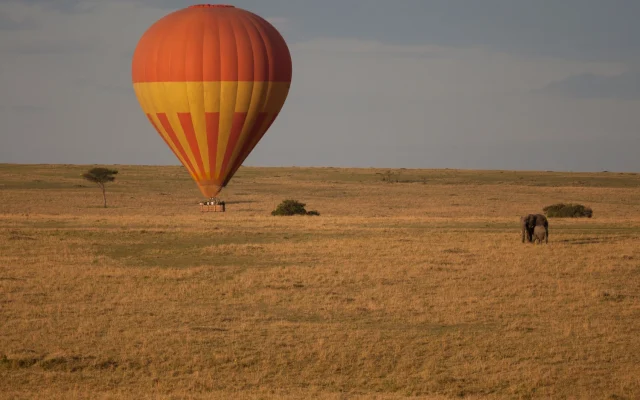
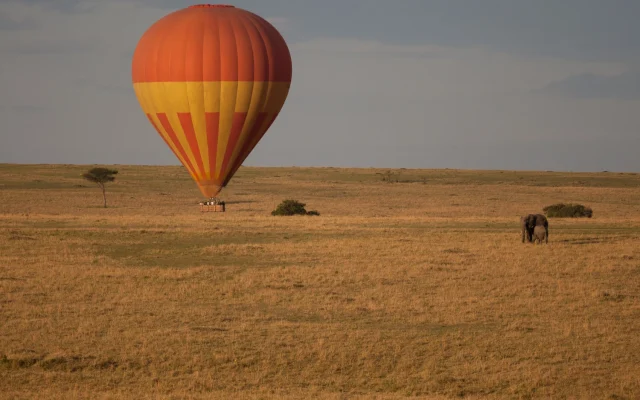
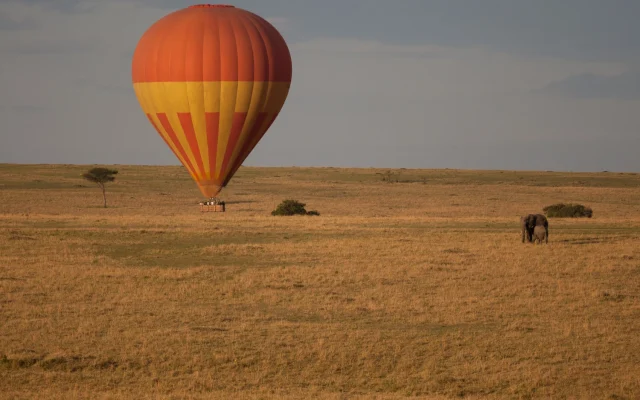
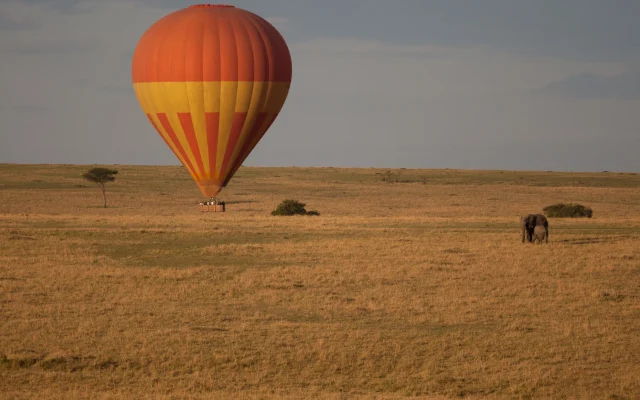
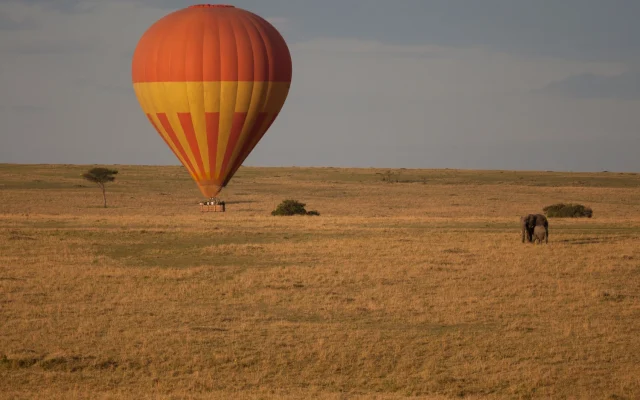
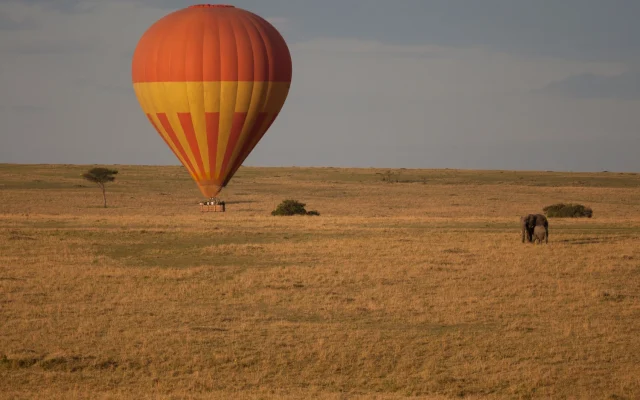
Kenya adds Mount Kenya trekking, Great Rift Valley viewpoints, cycling in Hell’s Gate, and hot-air ballooning over the Mara — activities that diversify itineraries beyond game drives. Adventure travelers extend stays without leaving the country.
Cultural depth
Maasai, Samburu, Swahili coast culture, and urban Nairobi dining scene give Kenya narrative texture. Ethical cultural visits — warrior dances, beadwork cooperatives, community schools — connect tourism spend to human stories, not only mammal checklists.
Comparison with neighbours — honest framing
Tanzania owns more Serengeti acreage and Ngorongoro geology; Uganda wins primate depth; Botswana offers exclusivity. Kenya’s claim is breadth plus accessibility: migration fame, conservancy innovation, coast, and city hub in one package. Repeat visitors often specialise (north vs Mara vs coast), but first-timers get Africa’s highlight reel efficiently.
Seasons and crowd management
Peak migration months draw crowds — book conservancy lodges early, consider shoulder seasons (November, early June) for value and green-season photography. Kenya rewards planners who spread nights across conservancies instead of chasing only river-crossing hashtags.
Planning a Kenya safari that lives up to the reputation
Match parks to interests: photographers → Mara + Amboseli; specialists → Samburu; rhino focus → Laikipia conservancies; families → shorter drives, Naivasha boat days. Combine with conservation success stories to choose lodges that fund patrols.
Aviation hub advantage
Jomo Kenyatta International Airport connects Europe, Middle East, and Asia with daily wide-body service — shorter total journey time than many southern African gateways. Wilson Airport’s bush airline cluster means Mara, Amboseli, Samburu, and Laikipia sit within ninety-minute flights of urban backup: hospitals, embassies, spare camera bodies. That hub reliability matters when gorilla permits in neighbouring countries slip or weather closes airstrips — Nairobi reroutes absorb shock.
Conservancy revolution as global model
Kenya pioneered community conservancies leasing Maasai land for wildlife — tourism beds pay per-acre fees keeping corridors open. Mara North, Naboisho, and Ol Pejeta demonstrate that low-density tourism can out-earn subsistence grazing per hectare when managed transparently. Visitors choosing conservancy lodges vote for coexistence economics — a story Kenya exports to Tanzania and Zambia workshops annually.
Value across budget tiers
Kenya is not only ultra-luxury. Mid-range permanent tented camps, self-drive options in Nakuru, and camping safaris with KATO operators deliver Big Five access below Botswana price floors. Honeymooners, students, and retirees all find viable tiers — rarity among destinations trading only on exclusivity.
Kenya is considered among the greatest safari destinations because it delivers migration mythology, daily Big Five reality, conservancy science, and beach endings — backed by an industry that knows how to host the world. That combination is rarer than any single sighting.