Home FAQ Planning & logistics

Why Do Wildlife Enthusiasts Visit Rwanda

Direct answer

Wildlife enthusiasts visit Rwanda because a compact country delivers mountain gorillas, golden monkeys, chimpanzee forests, and Big Five savannah within a few hours of Kigali — often on one itinerary. Volcanoes National Park offers regulated gorilla and golden monkey trekking in the Virunga Mountains; Akagera National Park has recovered lion, rhino, and classic game drives; and Nyungwe Forest adds chimpanzees and canopy walks. Rwanda suits travelers who want primate depth, strong conservation management, and efficient logistics without crossing half a continent.

Why wildlife enthusiasts choose Rwanda

Rwanda surprises first-time visitors. It is small on the map but dense in wildlife experiences. Where larger safari countries demand internal flights and week-long road transfers, Rwanda often fits gorilla trekking, golden monkey tracking, and savannah game drives into six or seven days with manageable drives from Kigali. That efficiency attracts serious wildlife travelers — photographers, primatologists at heart, and repeat Africa visitors who want maximum encounter quality per travel day.

Mountain gorillas in Volcanoes National Park

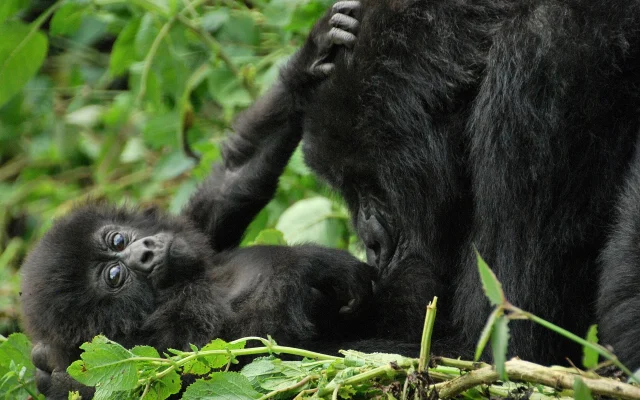
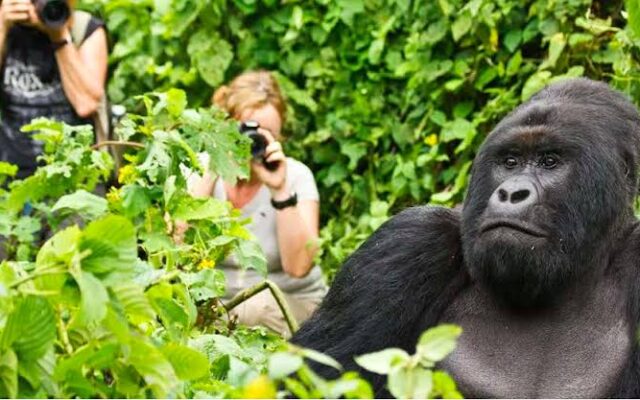
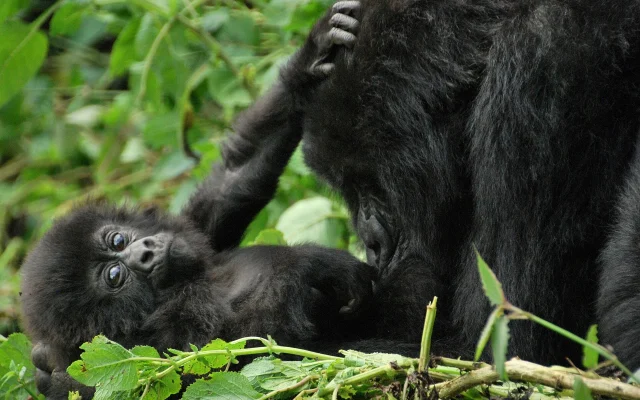
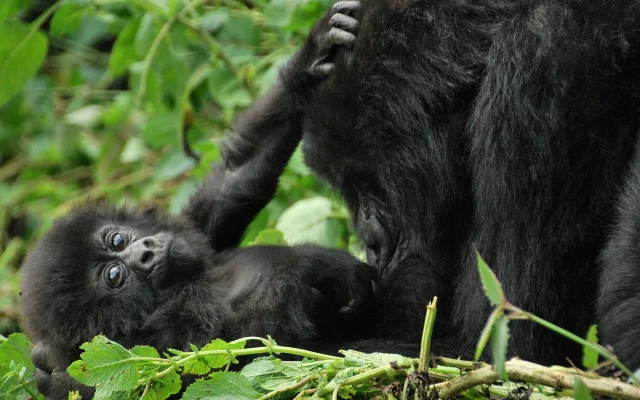
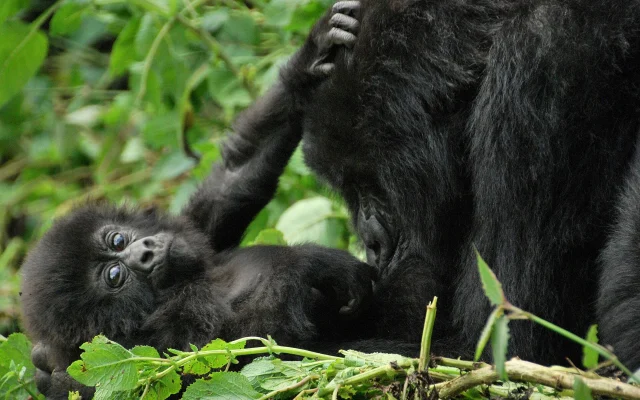
The headline draw is mountain gorilla trekking in Volcanoes National Park. Rwanda’s permit price — currently US $1,500 for foreign non-residents (confirm with RDB) — reflects a high-value, low-volume model. Groups are capped at eight visitors for one hour with a habituated family. Ranger-led briefings, strict hygiene rules, and decades of habituation research make the experience both emotionally powerful and professionally managed.

Wildlife enthusiasts rate Volcanoes highly for trail quality, permit administration, and proximity to Kigali (roughly two to three hours to Kinigi). Fit hikers and photographers who prioritise primate encounters over budget savings often choose Rwanda first — then add Uganda or DRC for second treks if budgets allow.

Golden monkeys — a different primate thrill

Endemic to the Virunga bamboo zone, golden monkeys offer fast-moving, photogenic treks at a fraction of gorilla permit cost (permits commonly quoted around US $100). Enthusiasts pair golden monkey morning treks with afternoon cultural visits or volcano viewpoints. The behaviour contrasts sharply with gorillas — acrobatic leaps through bamboo rather than slow forest browsing — so many itineraries include both.

Akagera: Big Five recovery on savannah

Before 2010, Akagera’s wildlife had collapsed. Today, under management by African Parks and the Rwanda Development Board, the park supports lion, leopard, elephant, buffalo, and rhino again — genuine Big Five territory within Rwanda. Game drives cross open savannah and lake shores; boat trips on Lake Ihema add hippos, crocodiles, and waterbirds.

For enthusiasts who refuse to choose between primates and predators, Akagera completes the circuit. A typical week might allocate three nights to Volcanoes (gorilla + golden monkey + optional Bisoke hike) and two nights to Akagera — all without leaving the country.

Chimpanzees and forest birds at Nyungwe

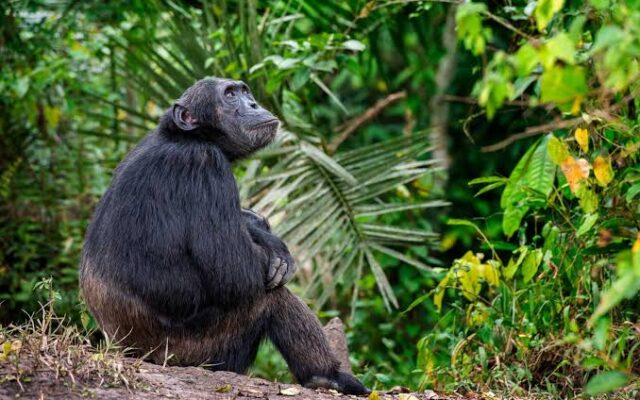
Nyungwe National Park in southern Rwanda adds chimpanzee tracking, colobus troops, and one of Africa’s great montane forests. Enthusiasts building a “primate grand slam” itinerary include Nyungwe between Kigali and Volcanoes or after Akagera. The canopy walkway is a bonus for birders and forest photographers.

Conservation credibility matters to enthusiasts

Serious wildlife travelers read about management before booking. Rwanda’s tourism model emphasises:

  • Strict permit quotas and revenue reinvestment
  • Community revenue sharing around national parks
  • Professional guiding standards through RDB
  • Visible anti-poaching results — especially Akagera’s recovery narrative

Enthusiasts often accept higher permit fees when they trust that money funds rangers, habitat, and neighbours who tolerate wildlife.

Photography and naturalist appeal

Rwanda rewards photographers willing to work in forest light — gorilla faces at close range, golden monkey bursts of colour, Akagera’s wide savannah horizons, and Nyungwe’s misty ridges. Bird lists exceed 700 species nationally; even a primate-focused trip picks up hornbills, turacos, and raptors along the drive.

Who Rwanda suits best

Rwanda fits wildlife enthusiasts who want:

  • Primate priority with optional savannah
  • Short, high-quality itineraries from Kigali
  • Strong park management and clear rules
  • Combination trips with Uganda via Cyanika or Gatuna borders

It is less ideal for travelers seeking only budget gorilla trekking or endless Serengeti-style plains — though Akagera satisfies savannah cravings surprisingly well.

Planning tips enthusiasts actually use

Book gorilla permits months ahead for peak season (June–September, December–February). Layer golden monkey and Akagera permits in the same quote so dates align. Build rest days after gorilla treks before volcano hikes. Combine with volcano ascents only if fitness allows.

Rwanda’s appeal is concentration: in one week you can stand metres from a silverback, watch lions on a savannah track, and still sleep in a comfortable lodge without camping on multi-day transfers. For wildlife enthusiasts measuring trips by encounters per hour, that density is the point.

We coordinate gorilla permits, Akagera game drives, and cross-border Uganda combinations with transparent pricing. Share your travel month and interests for a quote.

Request a safari quote

Get a free quote