<h2 id="can-
birdwatching-be-combined-with-wildlife-safaris">Can birdwatching be combined with wildlife safaris?
Birders and big-game enthusiasts share vehicles more often than either admits. Morning drives target lions; guides still stop for lilac-breasted rollers. Afternoon boats list hippos and African skimmers on the same checklist. East Africa’s ecosystems reward combination rather than forcing specialization.
Why combination works ecologically
Savannah, wetland, and forest edges overlap — elephants disturb insects raptors hunt. Hippo pods attract fish eagles. Mixed habitat means mixed species lists without extra travel days.
Uganda as combination champion
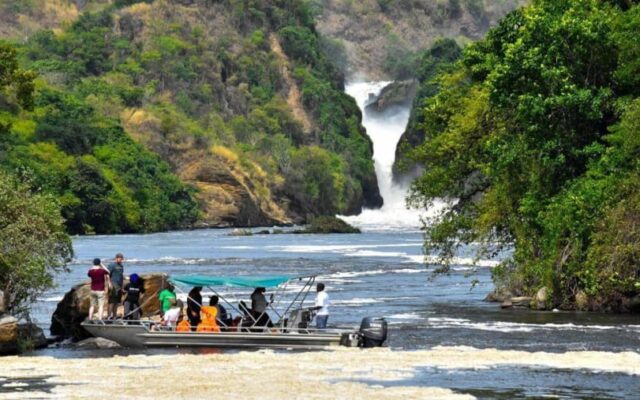
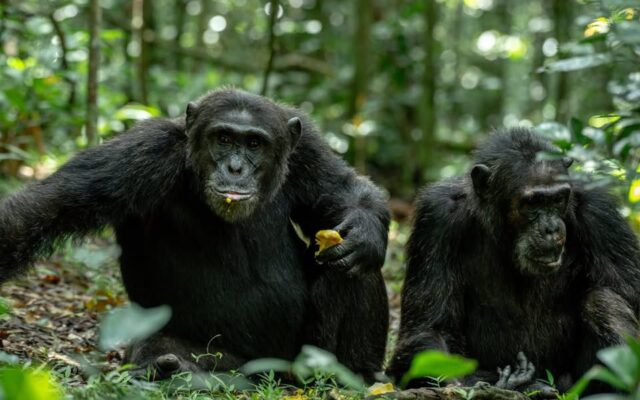
Queen Elizabeth: morning lion drive, afternoon Kazinga boat — 200+ species possible weekly. Murchison: shoebill missions dawn, giraffe drives midday. Kibale: chimps morning, forest pitta afternoon. See Uganda bird photography and wildlife enthusiast circuits.
Kenya combinations
Mara conservancy drives yield secretary birds and crowned cranes between cats. Lake Naivasha boat after Hell’s Gate cycling. Samburu specials include vulturine guineafowl with Grevy’s zebra — mammal and bird tick synergy.
Tanzania combinations
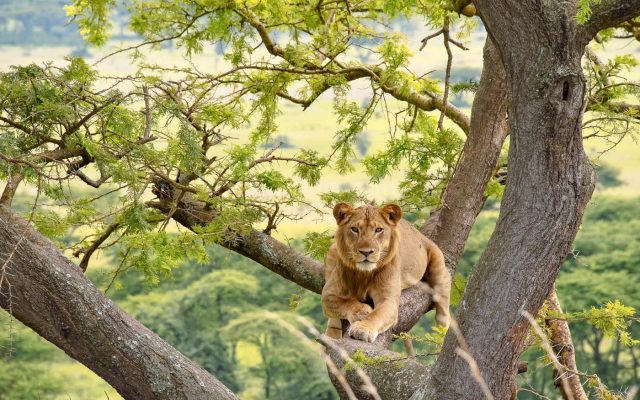
Serengeti kopjes host raptors and lions simultaneously. Ngorongoro crater lists flamingos with rhino. Lake Manyara famous for tree-climbing lions and waterbirds — Manyara photography.
Rwanda efficiency
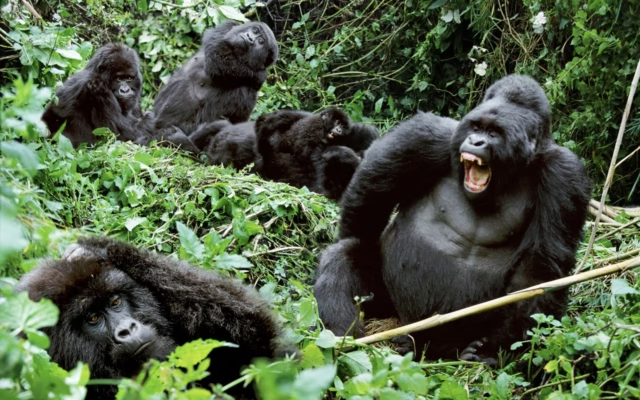
Nyungwe forest birds plus Akagera savannah in one week — Rwanda birding destinations alongside gorilla treks.
Scheduling tactics
Dedicate first and last light to bird activity peaks; midday rest or transfer. Hire specialist birding guides for key days, general safari guide otherwise. Communicate priorities upfront — “stop for rollers” must be licence granted.
Optics in shared vehicles
Birders need window seats and scope access — request vehicle layout. Mammal photographers want roof hatches — reconcile before departure. Some groups split into two vehicles peak birding mornings.
When combination strains
Hardcore listers chasing nocturnal owls frustrate lion-focused partners. Solution: alternate days or parallel activities at lodges with spa vs forest walk options.
Permit and park fee overlap
Same park entry covers both — no duplicate fees. Specialist birding walks (Bigodi, Mabamba shoebill) add modest guide costs worth budgeting.
Building a day-by-day combined itinerary
Successful combination trips alternate intensity. Example Uganda week: Day 1 Entebbe shoebill canoe at Mabamba. Day 2 drive to Murchison with roadside raptor stops. Day 3 morning game drive (mammals) and afternoon Nile boat (fish eagles, shoebill if delta guides report sightings). Day 4 transfer to Kibale with forest edge birding en route. Day 5 chimp trek morning, Bigodi swamp walk afternoon for great blue turaco. Day 6 Queen Elizabeth Kasenyi plains (lions) plus Kazinga launch (waterbirds). Each day serves both checklist without doubling park fees.
Guide specialisation and communication
General safari guides identify marquee birds — lilac-breasted roller, African fish eagle — instinctively. Serious listers should book dedicated birding guides for two or three peak mornings, then rejoin mammal-focused drives. Brief guides before departure: “We need ten minutes for that kingfisher” prevents resentment. Tip extra when guides spot forest specialists you would have missed.
Optics sharing in one vehicle
One spotting scope per vehicle suffices if passengers rotate politely. Birders sit left-side morning, right-side afternoon — sun angle matters. Mammal photographers want roof hatches; agree pause signals — raised hand means stop for bird, two taps means lion. Some groups charter second vehicle on migration days: photographers chase cats, birders crawl papyrus fringe.
Seasonal synergy
Wet months concentrate forest birds and breeding plumage; mammals remain visible though roads challenge. Dry months simplify driving and predator spotting; waterbirds congregate at shrinking channels — Kazinga and Chobe excel then. Migratory Palearctic visitors augment East Africa lists November–March — combine with calving season mammals in southern Serengeti for maximum diversity.
Common combination mistakes
Cramming shoebill, gorilla, chimps, and Mara migration into ten days exhausts everyone and satisfies neither genre. Skipping boat days wastes East Africa’s highest bird-per-hour habitats. Ignoring forest walks because “we came for Big Five” misses half Uganda’s species list. Assuming one guide masters all taxa — humility and local specialists beat generalists on tough calls like green-breasted pitta.
Birdwatching combined with wildlife safaris is East Africa’s default rhythm — separate trips waste overlap; integrated itineraries satisfy binoculars and telephoto lenses from the same campfire.
Regional circuit examples
Kenya two-week combo: Naivasha waterbirds, Mara cats and rollers, Samburu dry-country specials. Tanzania: Manyara groundwater forest, Ngorongoro crater floor, Serengeti kopje raptors. Uganda two-week: Mabamba shoebill, Murchison savannah, Kibale forest endemics, QENP boat — one visa, one operator, dual checklists satisfied without duplicate flights.

 Best
Seller
Best
Seller
 Best
Seller
Best
Seller
 Best
Seller
Best
Seller
 Best
Seller
Best
Seller